
Description
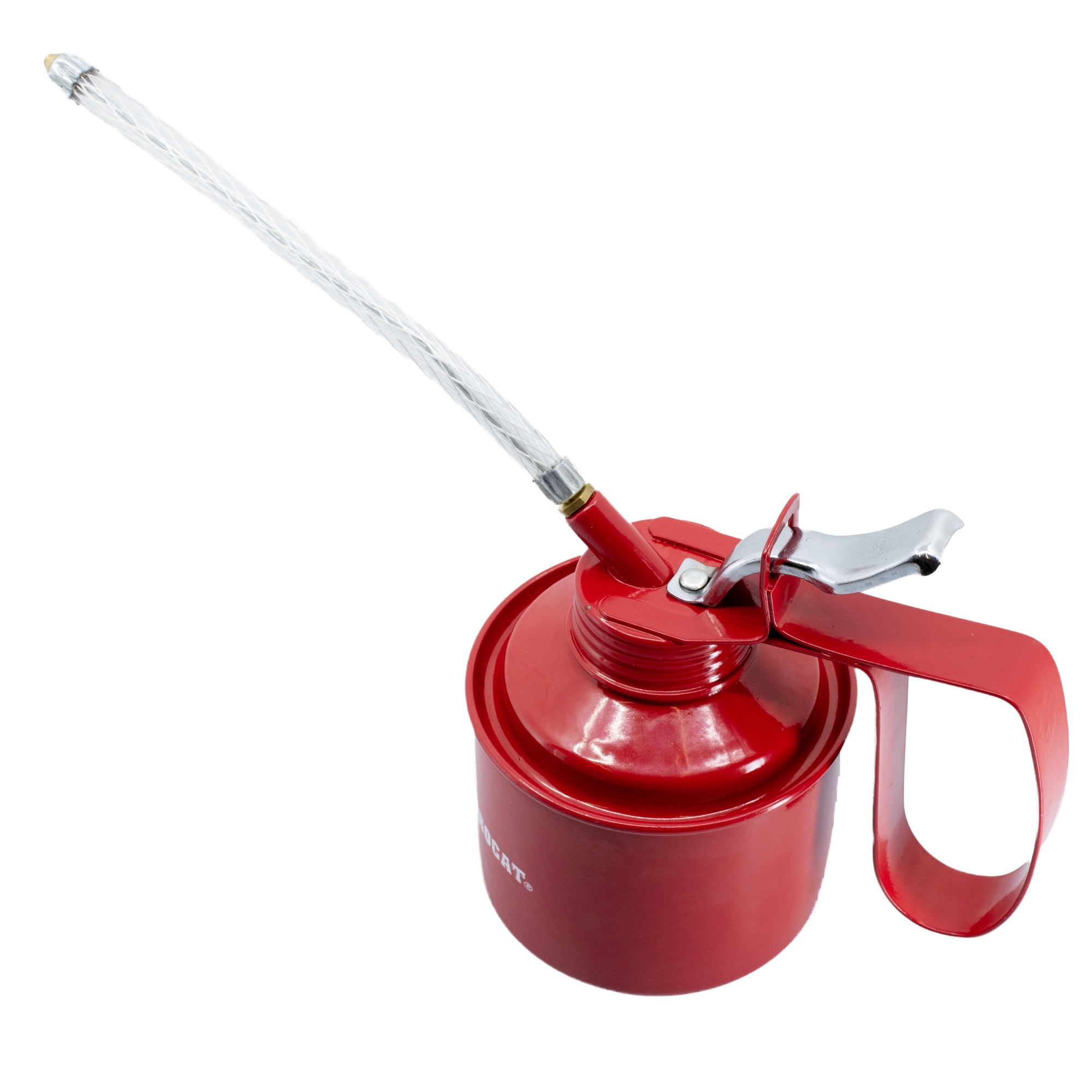
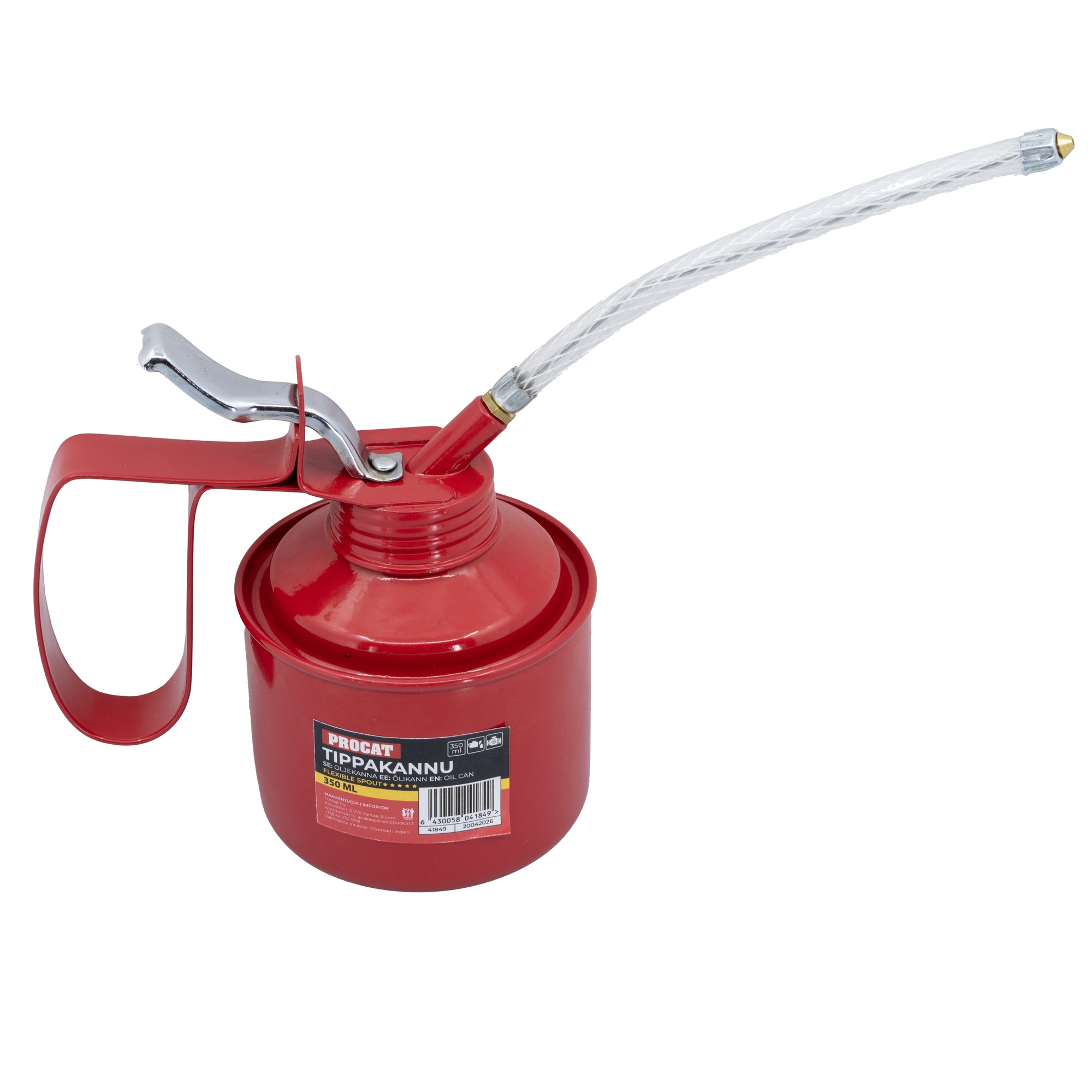
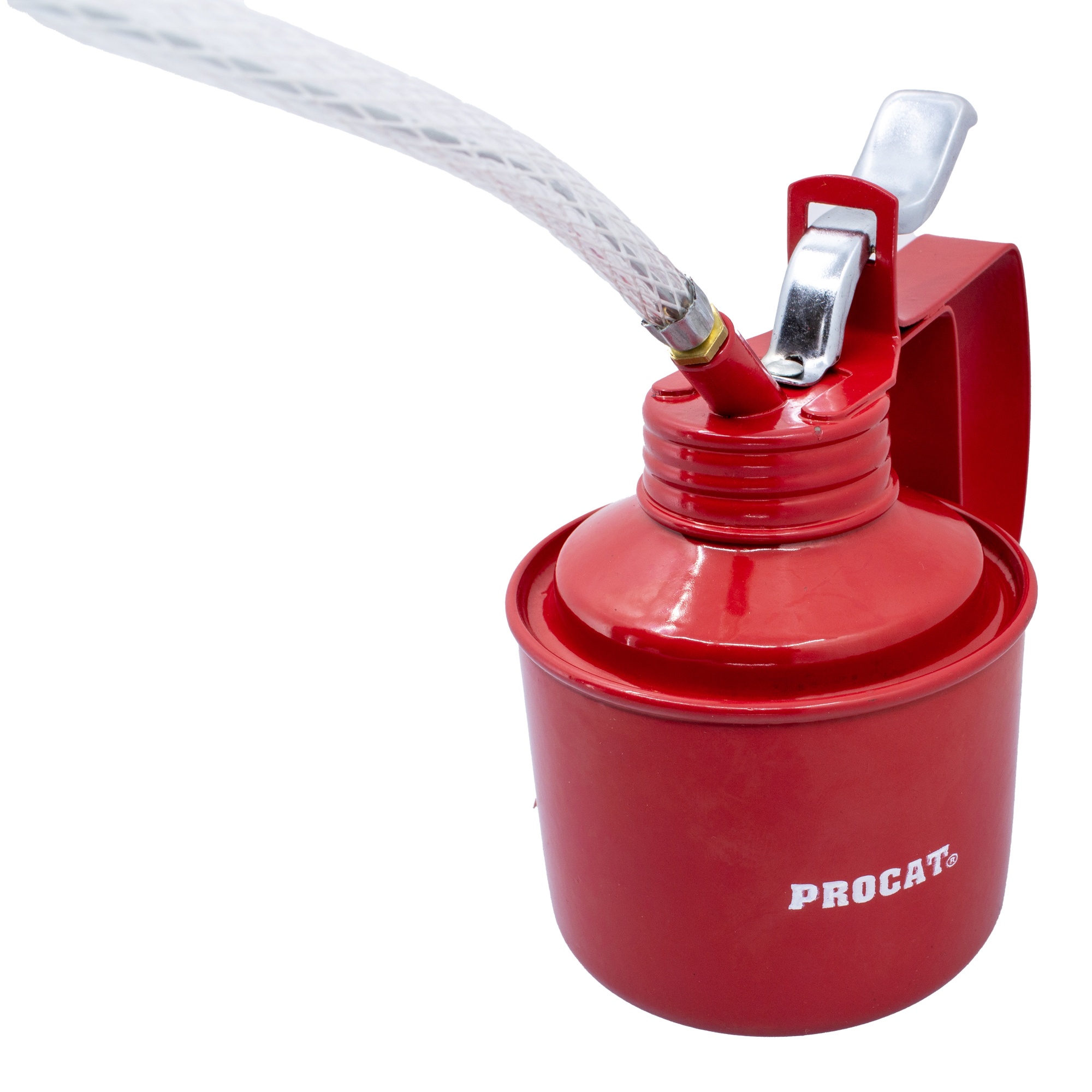
The Procat oil can 350 ml is a metal oiler with a thumb-operated lever pump and a flexible, detachable hose. It dispenses lubricating oil a drop at a time or in a thin stream straight to the lubrication point. The flexible spout also directs the oil into tight spots that a rigid nozzle cannot reach.
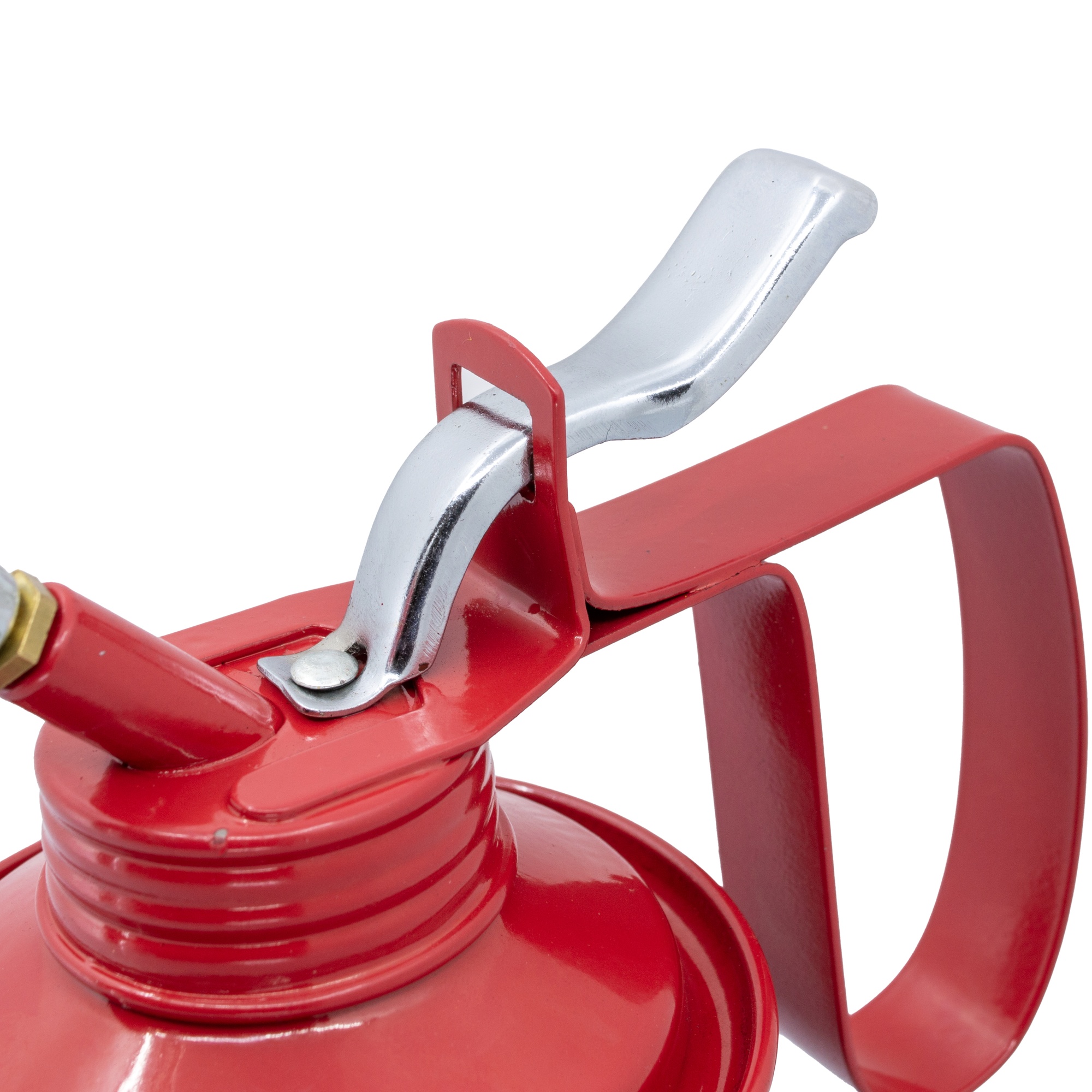
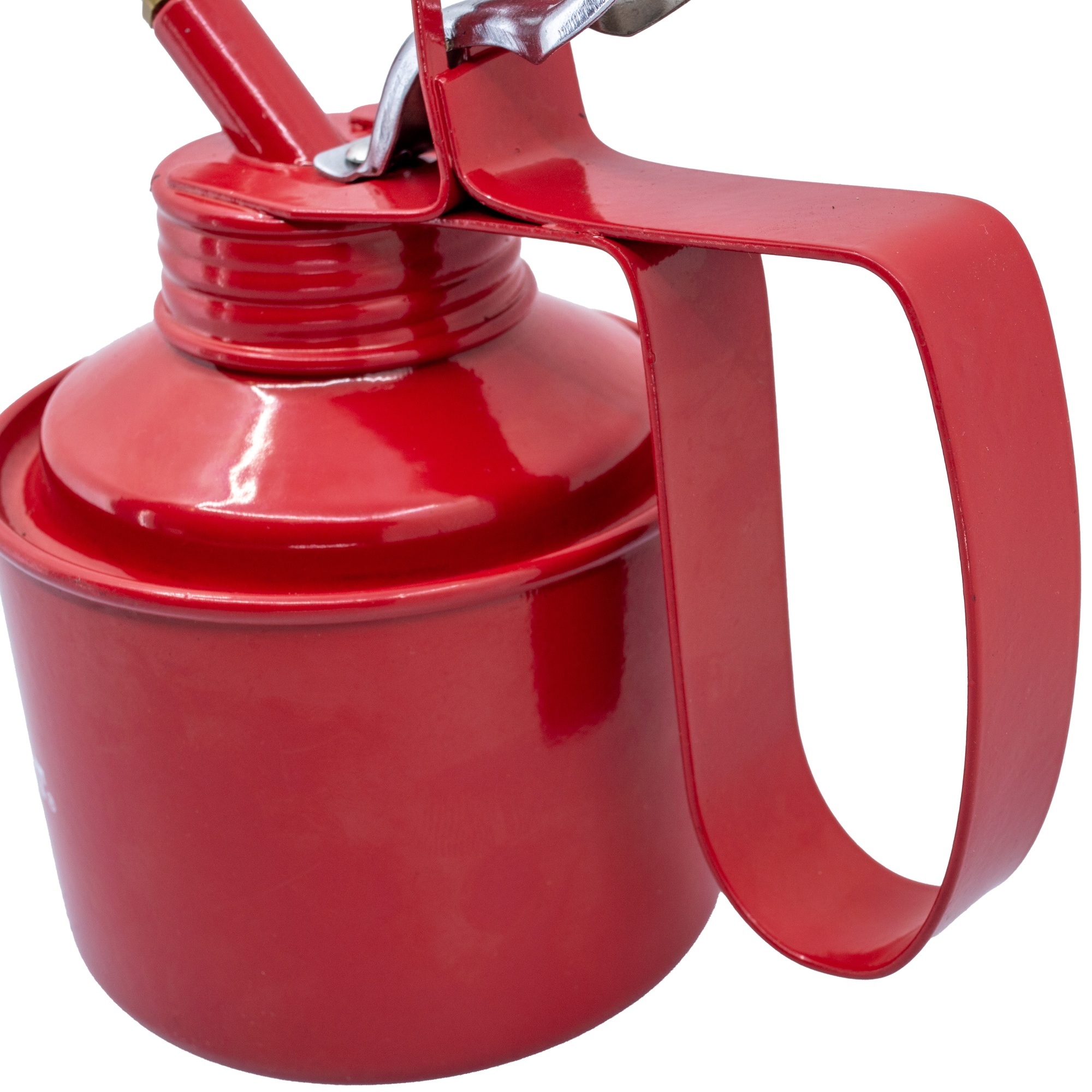
The reservoir holds 350 ml. The body is metal painted red. A chrome-plated pump lever sits on top of the lid, and a metal loop handle is fitted to the side of the can.
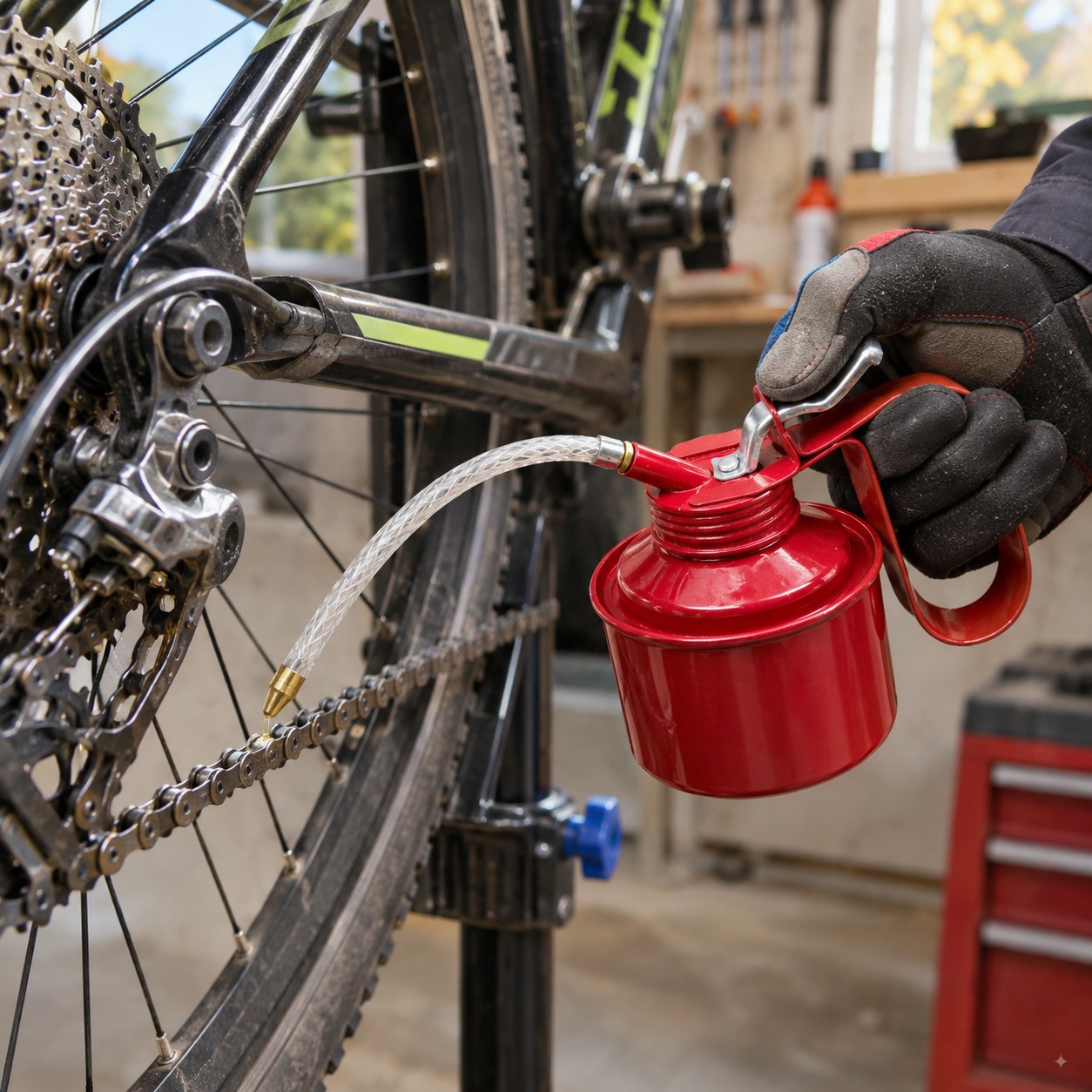
You hold the can by its handle in one hand and press the pump lever with the thumb of the same hand. Each press feeds oil into the hose, so the amount is easy to control by the number of presses. Your other hand stays free to aim the tip of the hose.
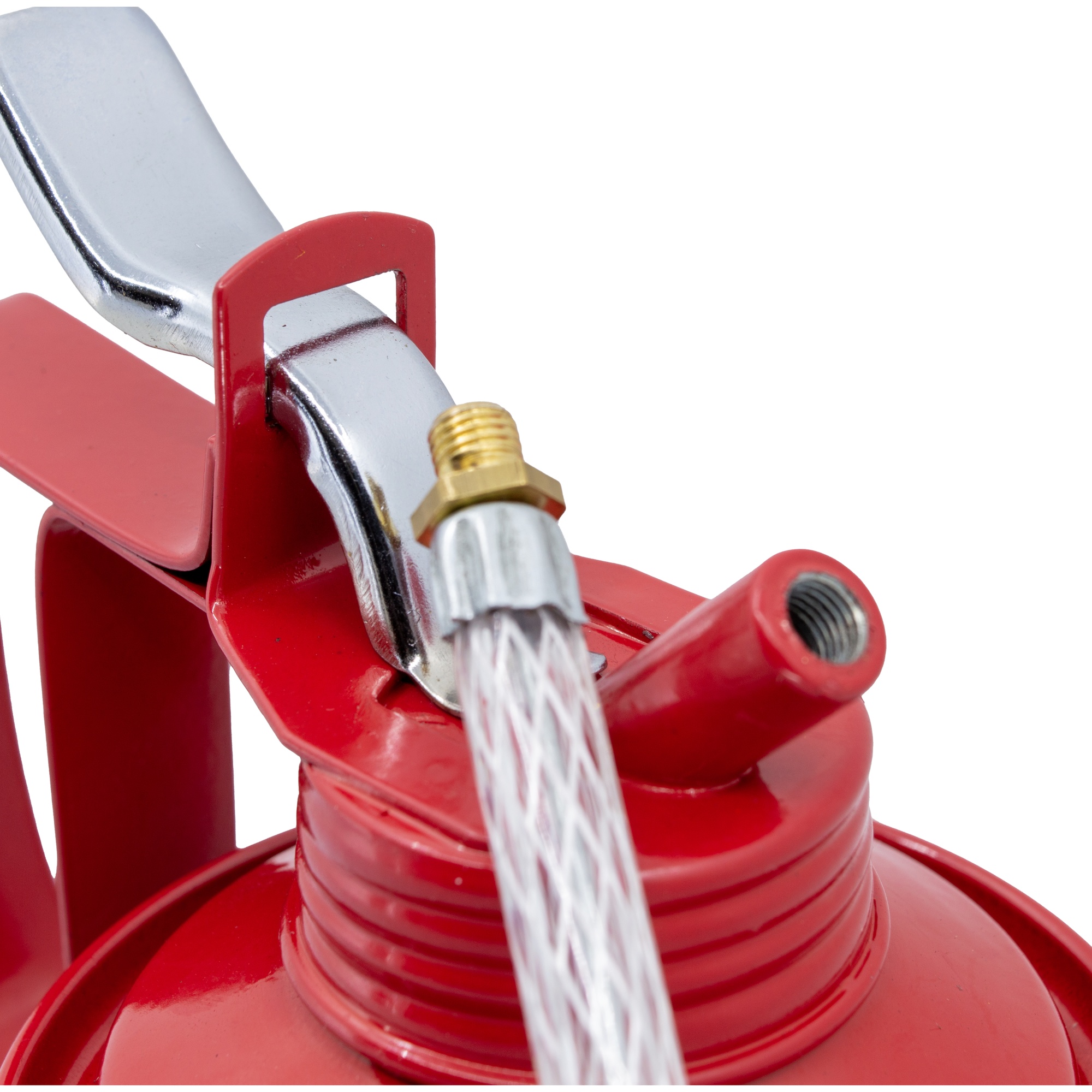
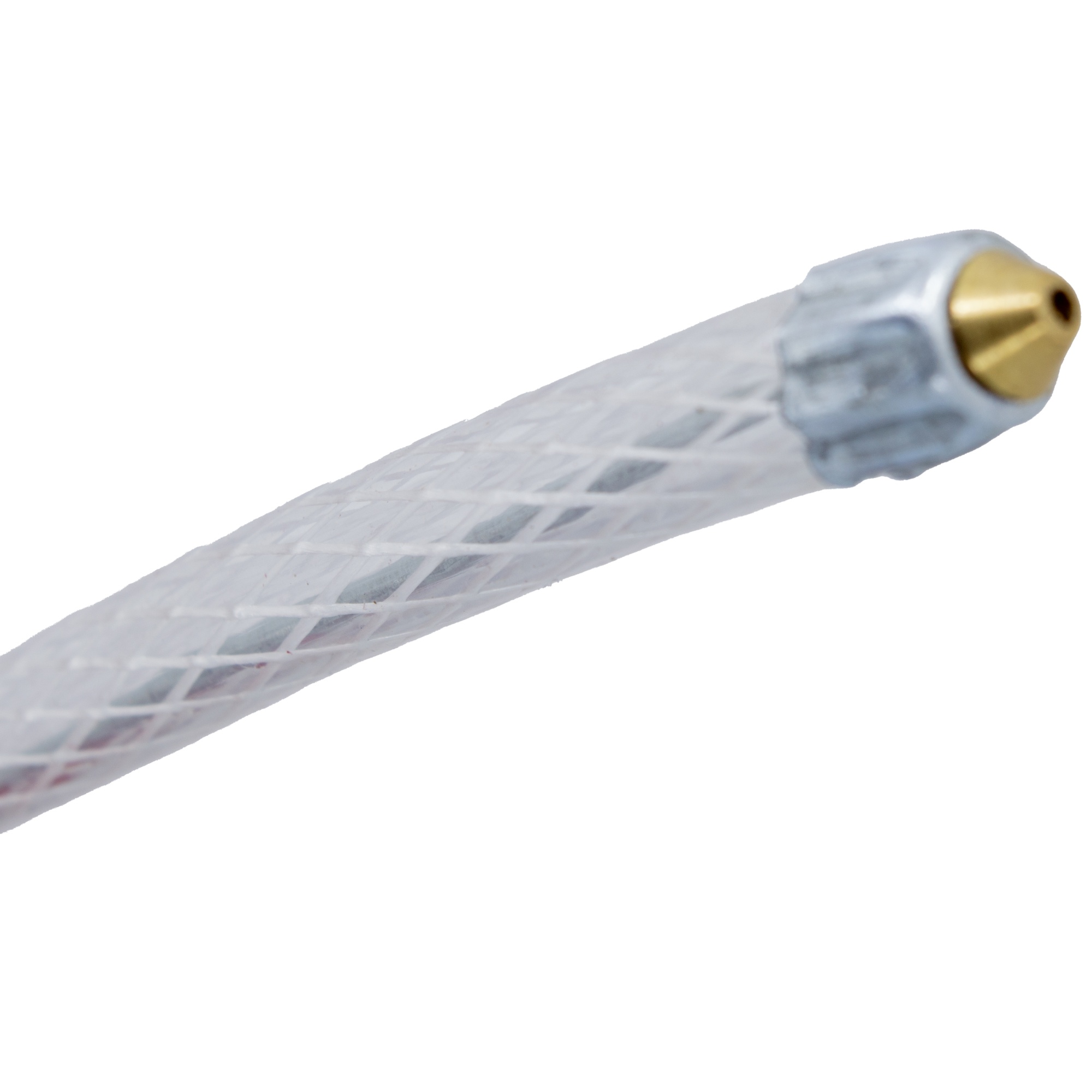
The hose attaches to the nozzle of the can with a threaded connector. At the end of the hose is a tapered metal tip that directs the oil into a narrow stream. The can has no separate filler opening: the reservoir is filled through the hose connection once the hose has been unscrewed.
Intended use and suitability:
The oil can is designed for dispensing lubricating oil in small, controlled amounts. The flexible spout bends around corners and structures, so the oil reaches its target without dismantling anything.
- Machines: Oiling sliding surfaces, joints and lubrication holes in machines and equipment. The tip of the hose goes straight to the lubrication point, so no oil runs onto the surrounding surfaces.
- Hinges: Lubricating the hinges of doors, gates and hatches. A few drops are enough. Excess oil is wiped off.
- Chains: Lubricating a bicycle chain, for example. Oil is applied to the chain links while the chain is turned slowly.
- Bearings: Oiling open bearings and bushings. The flexible spout reaches deep inside the structure, even in tight spots.
- Tools: Lubricating the joints and threads of pliers, scissors, vices and other hand tools, and applying a thin film of oil to metal surfaces for storage.
Package contents:
- Oil can: 350 ml metal reservoir, lever pump and loop handle.
- Flexible hose: detachable hose with a threaded connector and metal tip.
Features:
- Lever pump: Chrome-plated lever on top of the lid. Oil is fed by pressing the lever with your thumb, so there is no need to tilt the can.
- Flexible hose: The clear, braid-reinforced hose bends to the shape of the workpiece and reaches tight lubrication points.
- Detachable hose: The hose attaches to the nozzle with a threaded connector and comes off by unscrewing.
- Filling through the connection: The reservoir is filled through the hose connection with the hose removed. There is no separate filler opening.
- Metal tip: The tapered tip at the end of the hose dispenses oil in a narrow stream or in drops.
- Loop handle: Metal handle on the side of the can. The can is operated with one hand.
- Painted metal body: The red paint finish protects the body and stands out at the workstation.
Technical specifications:
- Capacity: 350 ml
- Reservoir material: painted metal
- Colour: red
- Pump: thumb-operated lever pump, chrome-plated lever
- Hose: flexible, clear, braid-reinforced, detachable
- Hose attachment: threaded connector
- Tip: tapered metal tip
- Filling: through the hose connection
- Handle: metal loop handle
Procat oil can 350 ml instructions for use:
Filling:
- Unscrew the hose from the nozzle of the can.
- Pour lubricating oil into the reservoir through the hose connection. Use a small funnel if needed so that oil does not run down the sides of the can.
- Do not fill the reservoir right to the brim, or oil may squeeze out of the connection when you refit the hose.
- Screw the hose back on and hand-tighten the connector until it seals.
- Wipe any excess oil off the surface of the can.
Use:
- Grip the can by the handle so that your thumb reaches the pump lever.
- Bend the hose to a suitable shape and bring the tip to the lubrication point.
- Press the lever with your thumb. The first time you use the can, pump the lever a few times until oil comes out of the tip.
- Apply the oil drop by drop and check the lubrication point. Wipe off any excess oil.
Maintenance and storage:
- Store the can upright with the hose attached so that dirt cannot get into the reservoir.
- Wipe the hose tip clean after use.
- If you change the oil grade, empty the reservoir through the connection before adding the new oil.
Warnings:
- Children: Keep the can and the oil out of the reach of children.
- Oil safety: Follow the label and the safety data sheet of the oil you use.
- Slip hazard: Wipe up any oil spilled on the floor or work surface immediately.
- Connection seal: Before pumping, check that the hose is screwed on tightly. A loose connection can leak.
- Aiming: Do not point the hose tip at your face or at other people while pumping.
- Moving parts: Lubricate machines only when they have been stopped and disconnected from the power supply.
Frequently asked questions (FAQ):
How do you fill the Procat oil can 350 ml when it has no separate filler opening?
The can is filled through the hose connection. Unscrew the hose from the nozzle, pour lubricating oil into the reservoir through the connection and screw the hose back on.
Can the flexible hose of the oil can be removed?
Yes. The flexible hose of the Procat oil can 350 ml attaches to the nozzle with a threaded connector and comes off by unscrewing. The hose is always removed for filling.
What is an oil can with a flexible spout suitable for?
The Procat oil can 350 ml is suitable for dispensing lubricating oil to the lubrication points of machines, hinges, chains, bearings and tools. The flexible spout reaches tight spots that a rigid nozzle cannot reach.
How much oil does the oil can hold and how is the amount adjusted?
The reservoir of the Procat oil can 350 ml holds 350 ml of oil. The amount is adjusted by pressing the pump lever.
Recycling instructions:
The Procat oil can 350 ml is mainly metal. When taking it out of use, empty the reservoir and take any oil residue to a hazardous waste collection point. The empty, wiped metal body goes to metal recycling. The plastic hose goes in mixed waste. Take oily wipes to hazardous waste collection or dispose of them according to local waste management instructions.


