Description
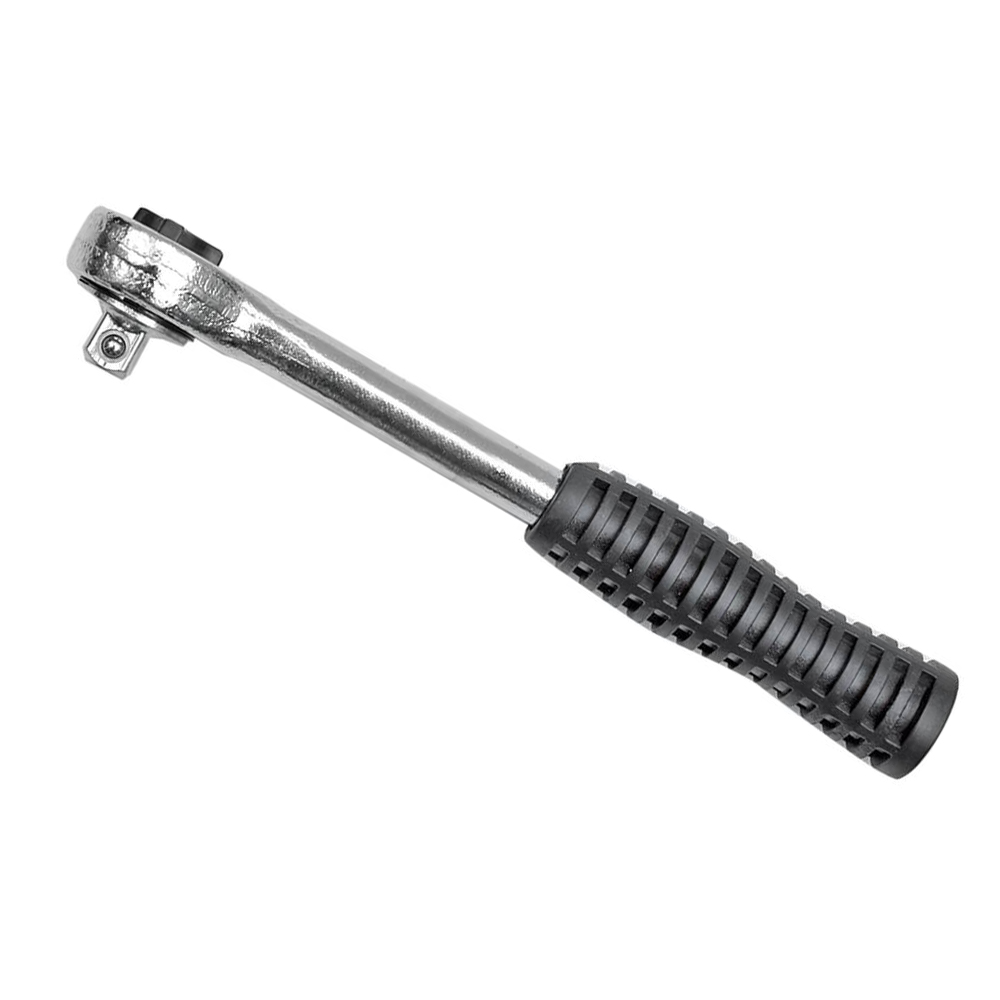
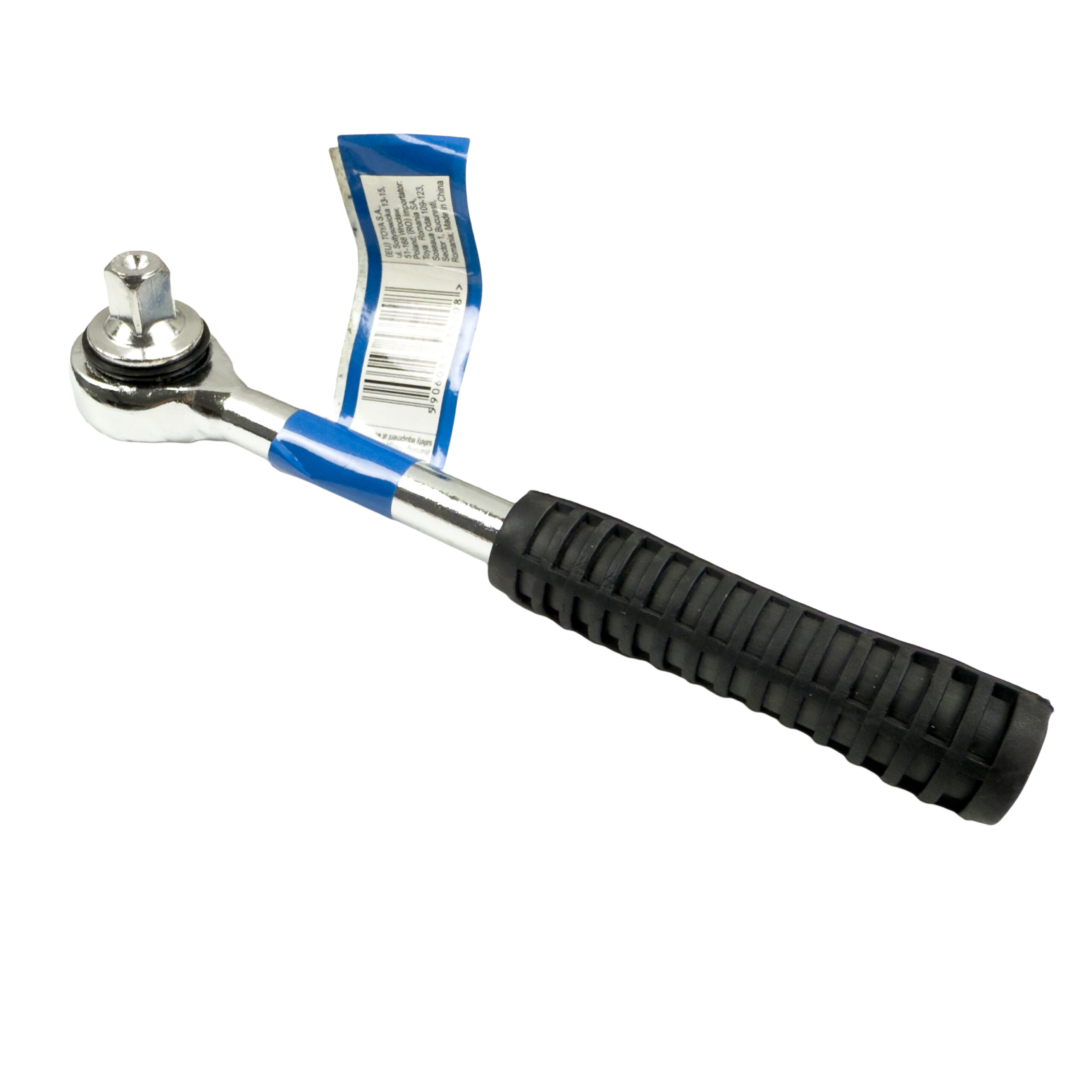
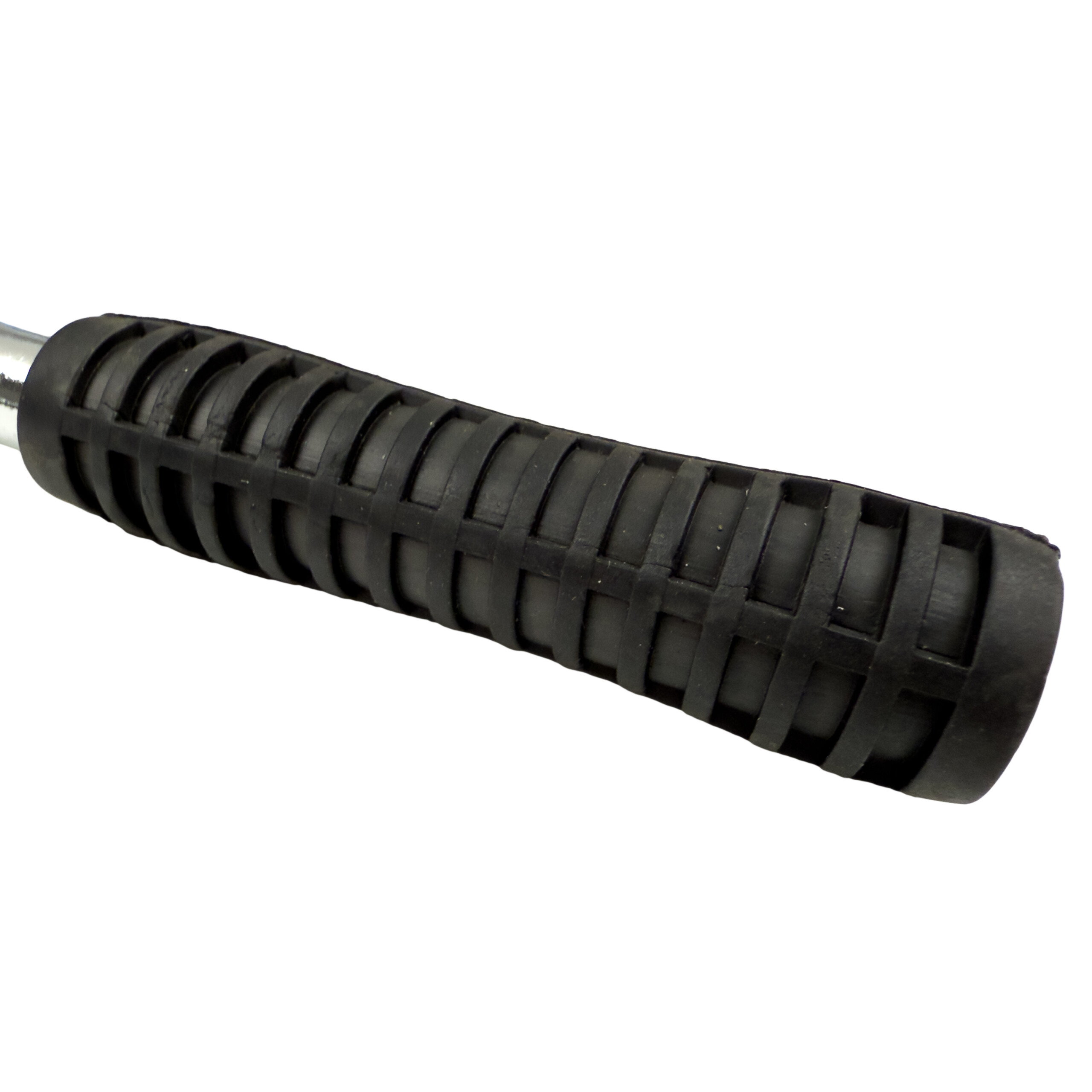
The 1/2″ ratchet is an essential tool for tightening and loosening all kinds of bolts and nuts. Its ratchet mechanism lets you work efficiently without having to remove the tool from the fastener after every turn. This feature speeds up work and reduces strain on the user. The ratchet is made of durable chrome vanadium steel, which guarantees a long service life and reliability. The ergonomically shaped handle gives a comfortable grip, which improves working comfort, especially in longer tasks.
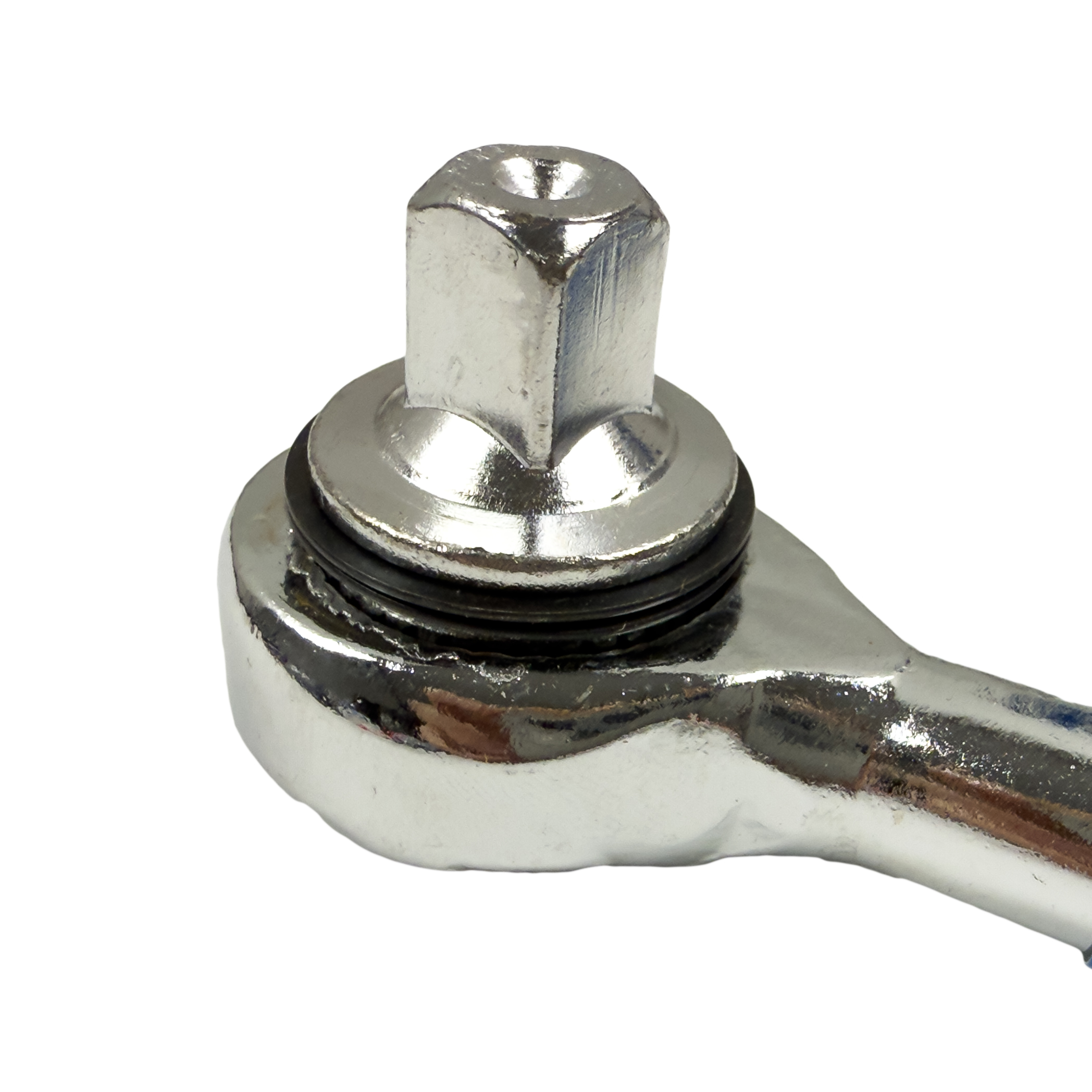
The 1/2″ drive of the ratchet fits the most common socket sizes, which makes it a versatile tool for car servicing and other mechanical work alike. The 72-tooth ratchet mechanism allows a smaller swing angle, which is especially useful when working in tight spaces. In addition, the direction lever allows a quick switch from tightening to loosening, which makes work even more efficient.
The compact size and light construction of this ratchet make it easy to handle, and the socket quick-release button allows sockets to be changed quickly without extra effort.
Intended use
- Car servicing and repair: Excellent for working on bolts and nuts in the car’s engine, chassis and other parts.
- Assembling and dismantling machinery: Allows efficient fastening and removal of parts of various machines and equipment.
- Furniture assembly: Makes assembling and dismantling furniture easier, especially when strong torque is needed.
- Construction and installation work: Suitable for working on bolts and nuts in various construction projects.
- DIY projects: A versatile tool for various home repair and renovation jobs.
Features
- Material: Chrome vanadium steel, which guarantees excellent durability and a long service life.
- Socket quick-release button: Allows quick and easy socket changes.
- Direction selector: Easy switching between tightening and loosening.
- Ergonomic handle: Gives a comfortable, firm grip, reducing hand fatigue.
- Length: 255 mm, a suitable size for many kinds of applications.
- Ratchet mechanism: 72 teeth, allowing a 5° swing angle, which is useful when working in tight spaces.
Ratchet instructions for use
- Choose a suitable socket: Measure the size of the bolt or nut and choose a socket that fits it.
- Fit the socket on the ratchet: Push the socket onto the end of the ratchet until it clicks into place.
- Set the direction selector: Decide whether you want to tighten (clockwise) or loosen (anticlockwise) and set the direction selector accordingly.
- Use the ratchet: Place the socket on the bolt or nut and move the ratchet back and forth. The ratchet mechanism allows continuous turning without having to remove the tool from the fastener.
- Remove the socket: After use, press the socket quick-release button to remove the socket from the ratchet.
Maintenance: Clean the ratchet regularly and lubricate the ratchet mechanism when needed so that it works smoothly and lasts longer.
How to choose the right ratchet
When choosing a ratchet, it is important to think about its features and intended use so that you find a tool that suits your needs. Here are the main things to consider:
- Ratchet mechanism teeth: A larger number of teeth (e.g. 72 teeth) allows a smaller swing angle, which is useful when working in tight spaces. Fewer teeth (e.g. 36) are better suited to situations that need strong torque.
- Ergonomics and handle design: A comfortable, ergonomic handle reduces user fatigue, especially during prolonged work. The handle material, such as a rubber coating, can have a significant effect on grip and comfort.
- Socket attachment mechanism: A quick-release button is an important feature if you change sockets often, as it saves time and makes work smoother.
- Construction and durability: A ratchet made of durable chrome vanadium steel lasts a long time and withstands high stresses. A chrome coating gives extra protection against corrosion, which is especially useful in damp environments.
- Drive size and compatibility: A 1/2″ ratchet is a good choice for medium-sized and large bolts and nuts. If you need a more versatile solution, consider a set with adapters for sockets of different sizes.
- Length and leverage: A longer ratchet gives more leverage but can be harder to use in tight spaces. A shorter model is easier to handle but does not give as much torque.
- Extra features: Some ratchets have extra features, such as a swivel head, which makes work more flexible. This can be useful if you work in varying positions.
Options for different needs
- For light DIY projects: Choose a basic model with good value for money and sufficient features, such as a 1/2″ drive and a 36-tooth ratchet mechanism.
- For professionals: Invest in a high-quality model with a durable construction, ergonomic design and a large number of teeth in the ratchet mechanism.
- For special use: If you work in especially tight places, consider a ratchet with a short handle and a small swing angle. Alternatively, a swivel head can be useful in complex installations.
Comparison: 1/2″ ratchet and other sizes
| Feature | 1/4″ ratchet | 3/8″ ratchet | 1/2″ ratchet |
|---|---|---|---|
| Application | Small jobs that need precision | Medium-sized servicing and repair jobs | Large bolts and heavy repair work |
| Leverage | Low | Moderate | High |
| Compatible sockets | Small sockets (4–14 mm) | Medium-sized sockets (10–20 mm) | Large sockets (13–32 mm) |
| Swing angle | Smallest | Moderate | Varies by model |
| Price | Cheapest | Mid-priced | Higher price |
What sets this ratchet apart?
The 1/2″ ratchet stands out with its excellent durability and precisely designed 72-tooth mechanism, which allows efficient work even in tight spaces. Combined with its user-friendly features, such as the socket quick-release button and ergonomic handle, this makes it a reliable tool for many kinds of jobs. This model is the ideal choice if you need an affordable but high-quality tool for both DIY projects and more demanding work.
Warnings
Using a ratchet involves a few safety points worth noting:
- Overloading: Do not use the tool beyond its torque capacity, as this can damage both the ratchet and the socket and cause dangerous situations.
- Wrong-sized socket: Always use the correct size of socket. A socket that is too large or too small can slip and damage the bolt or nut.
- Protective equipment: Wear protective gloves and safety glasses when needed, especially if you work in tight spaces or hazardous environments.
- Lubrication: Keep the ratchet mechanism regularly cleaned and lubricated to avoid jamming and interruptions.
- Do not use the ratchet as a breaker bar: The ratchet mechanism is designed only for rotating movement. Do not use the tool for striking or for applying large forces.
Frequently asked questions (FAQ)
1. What is the most common use of the 1/2″ ratchet?
The 1/2″ ratchet is best suited to working on large bolts and nuts, such as in car servicing and repair work and heavy construction projects.
2. Can this ratchet be used with smaller sockets?
Yes, if you use suitable adapters, you can also use this ratchet with smaller sockets.
3. How can I extend the service life of the ratchet?
Clean the tool after use, lubricate the ratchet mechanism regularly and avoid overloading the tool.
4. What should I do if the ratchet mechanism starts to stick?
Clean the mechanism carefully and add a small amount of lubricant. If the problem persists, check whether the mechanism is worn or damaged.
5. Why does the ratchet socket not stay in place?
Check that the socket quick-release button works correctly. If the button is stuck, clean it and lubricate it if needed.


