







Description
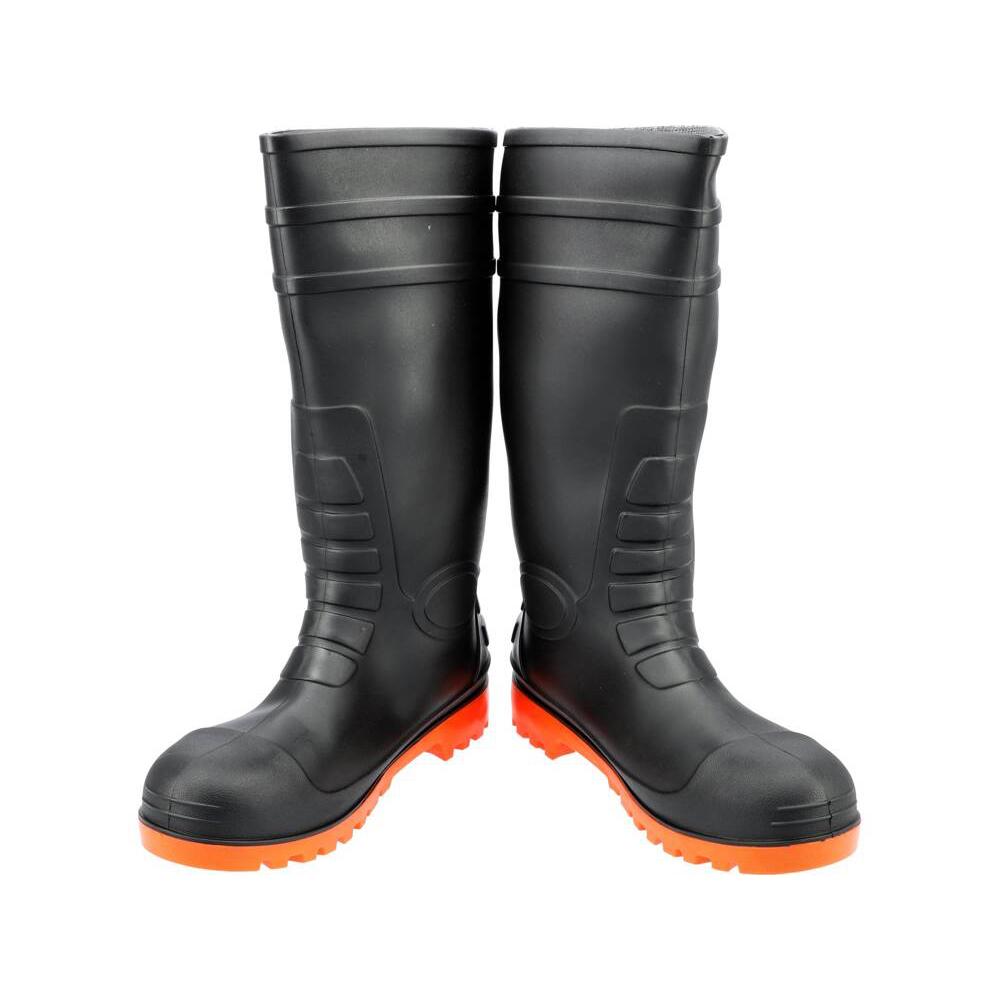
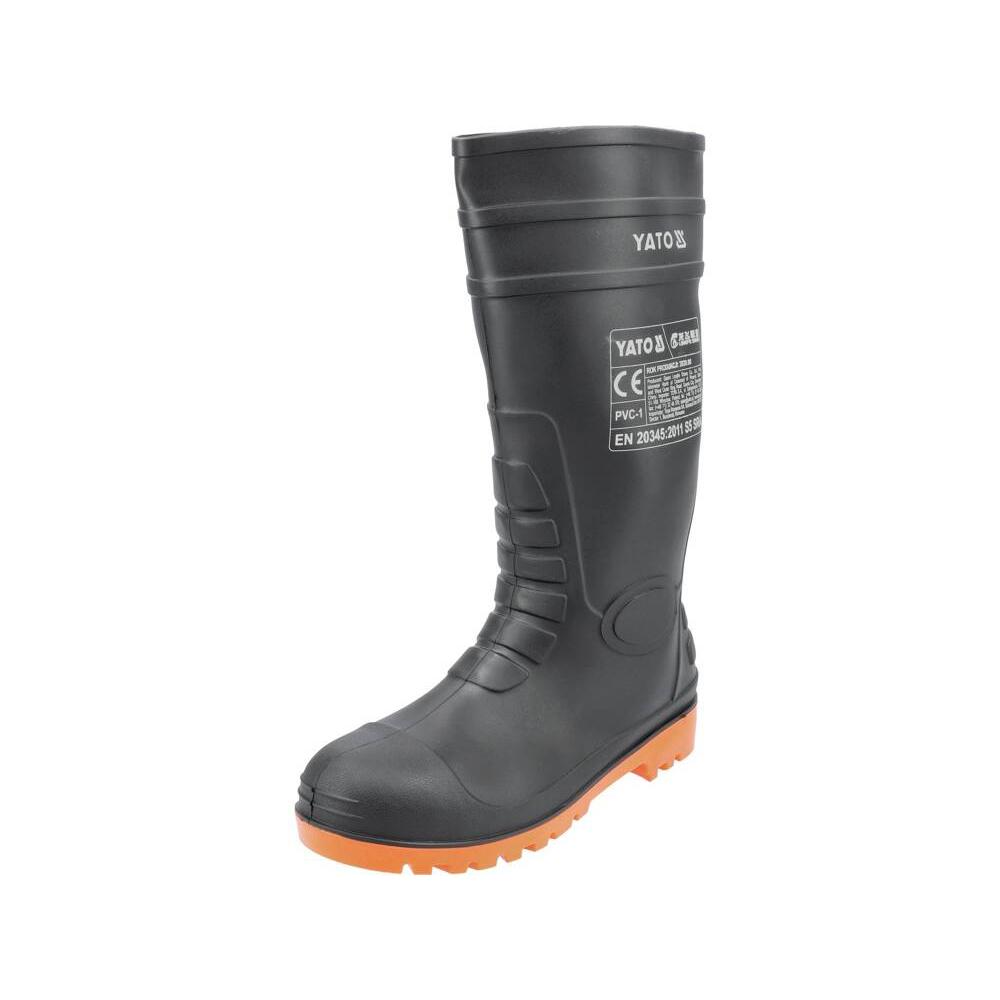
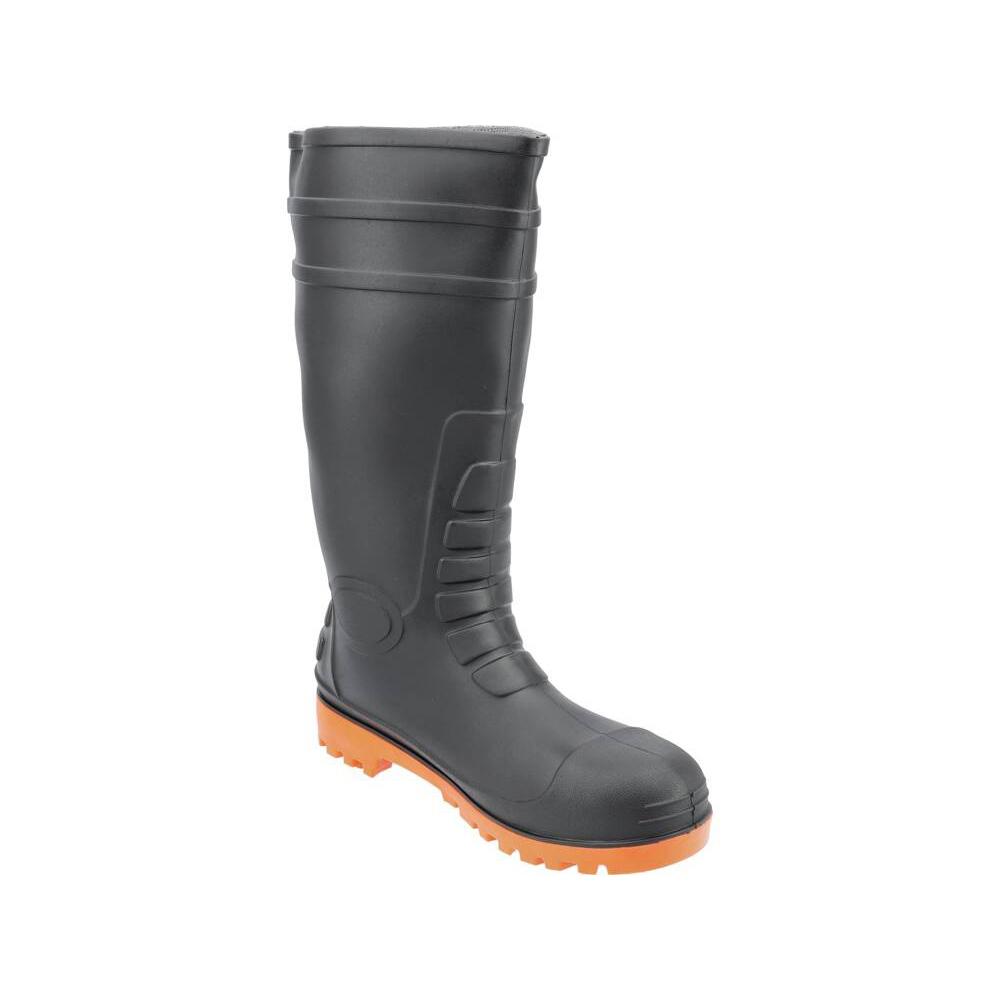
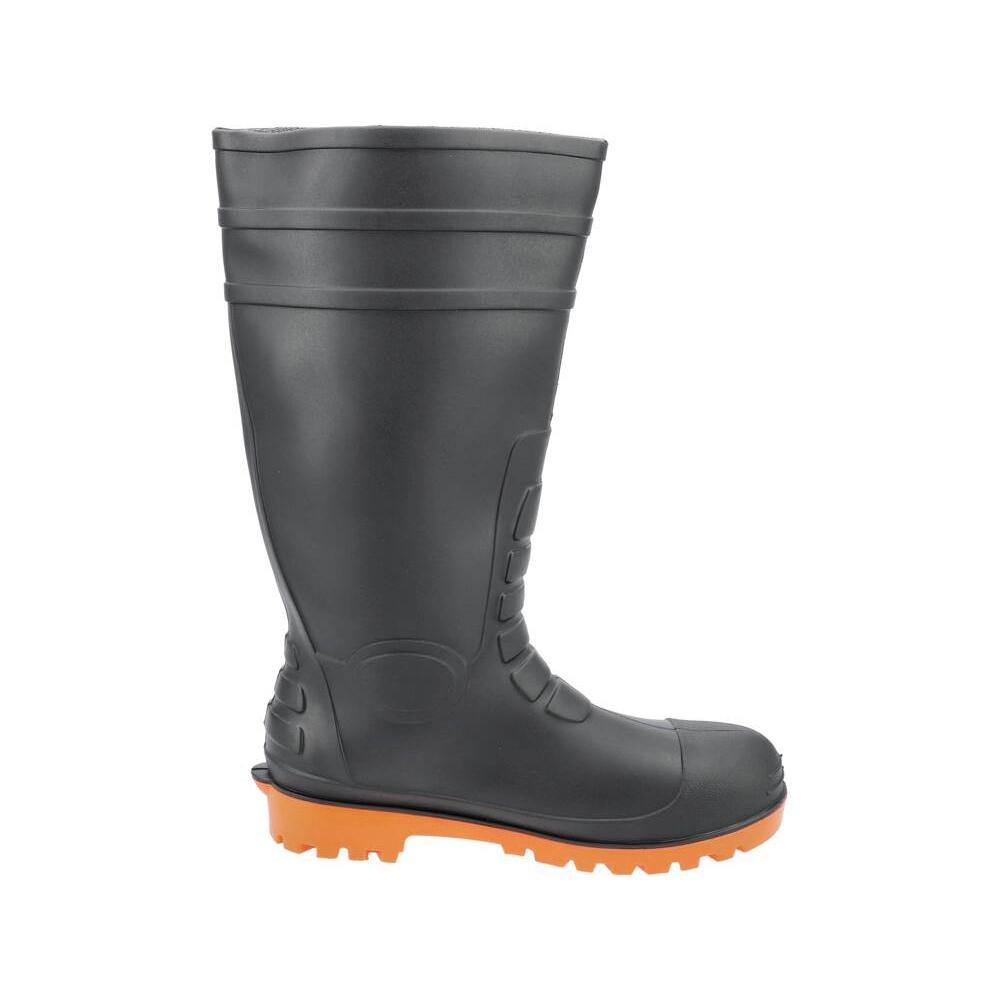
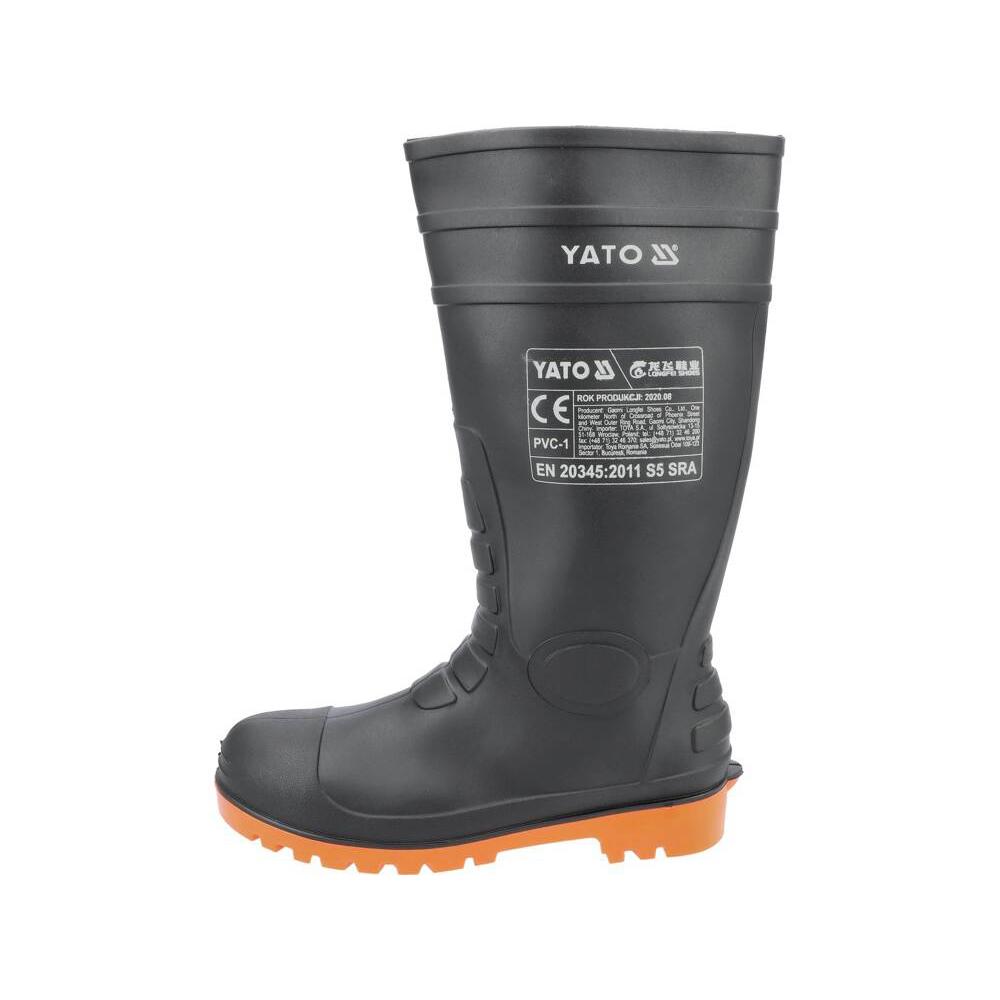
Yato safety rubber boots Portland S5 are moulded PVC boots with a steel toecap and a steel midsole for puncture protection. The boot is moulded in one piece without seams, so it is waterproof up to the full height of the leg.
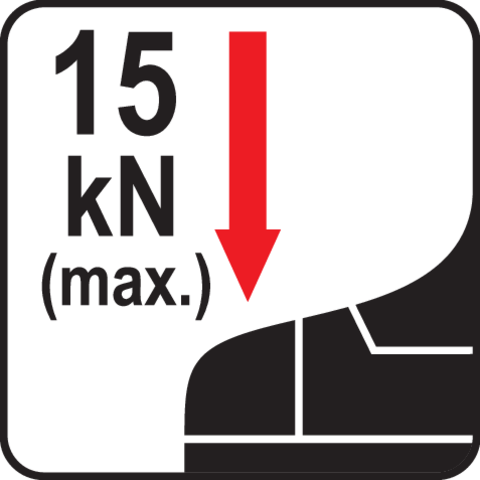
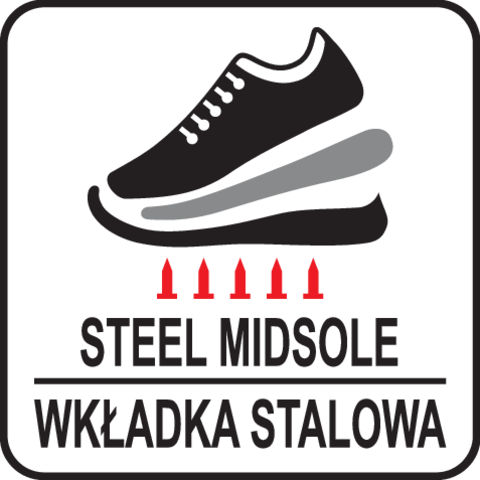
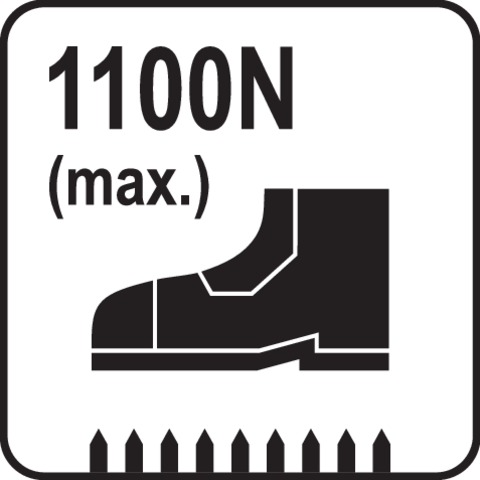
The toecap withstands 200 J of impact energy and a 15 kN compression load. The steel plate in the sole protects the sole of the foot from sharp objects underfoot up to a penetration force of 1100 N. There is shock absorption under the heel, which reduces jarring during long walks and standing work.
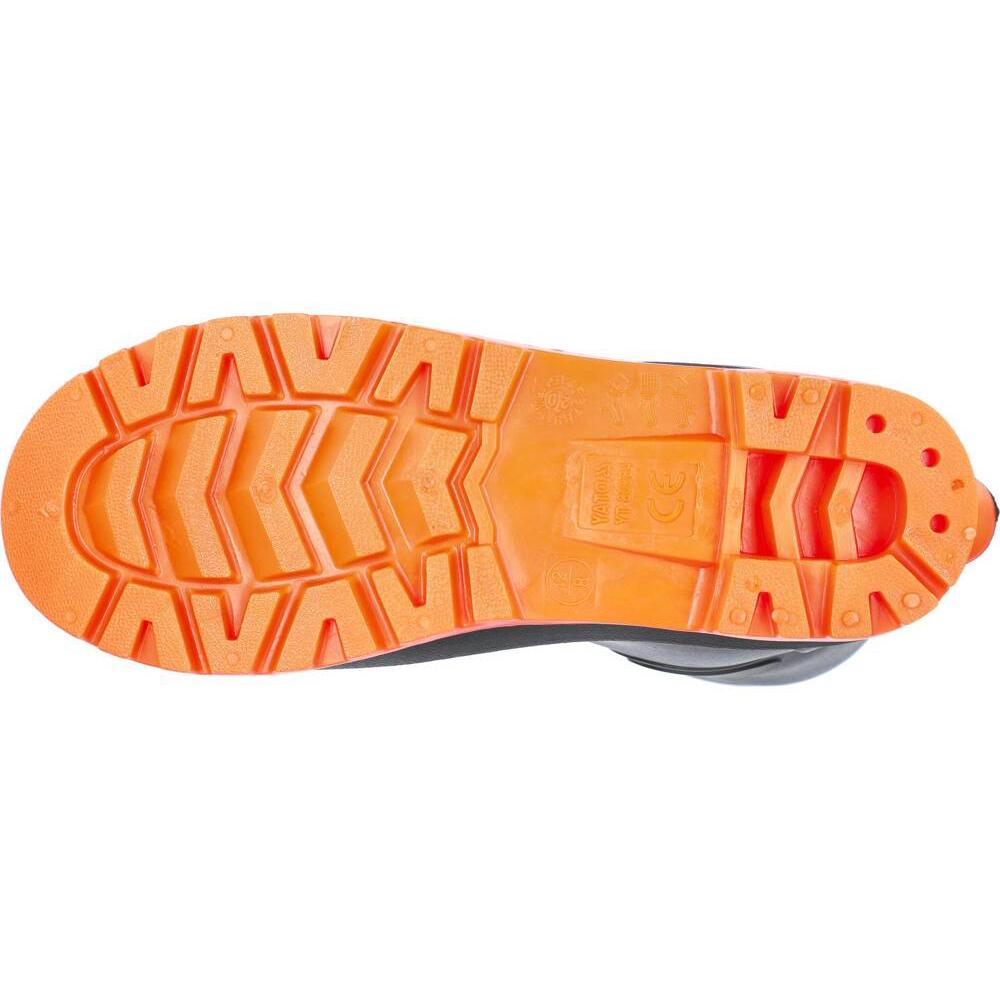
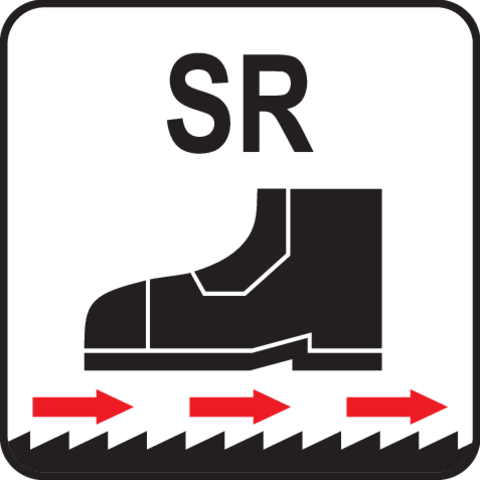
The sole and leg are PVC, the insole polyester. The sole is antistatic and resistant to oil, petrol and chemicals. The cleated sole is slip-resistant and meets the SR slip resistance requirement. Above the toes, the front of the boot has extra material for wear resistance, and the back has a moulded heel kick-off so that you can take the boot off with the help of the other boot.
The boots are classified in safety class S5 under the standard EN ISO 20345:2011. S5 means fully moulded waterproof footwear with a toecap, puncture protection, an antistatic and oil-resistant sole and heel shock absorption.
Intended use and suitability:
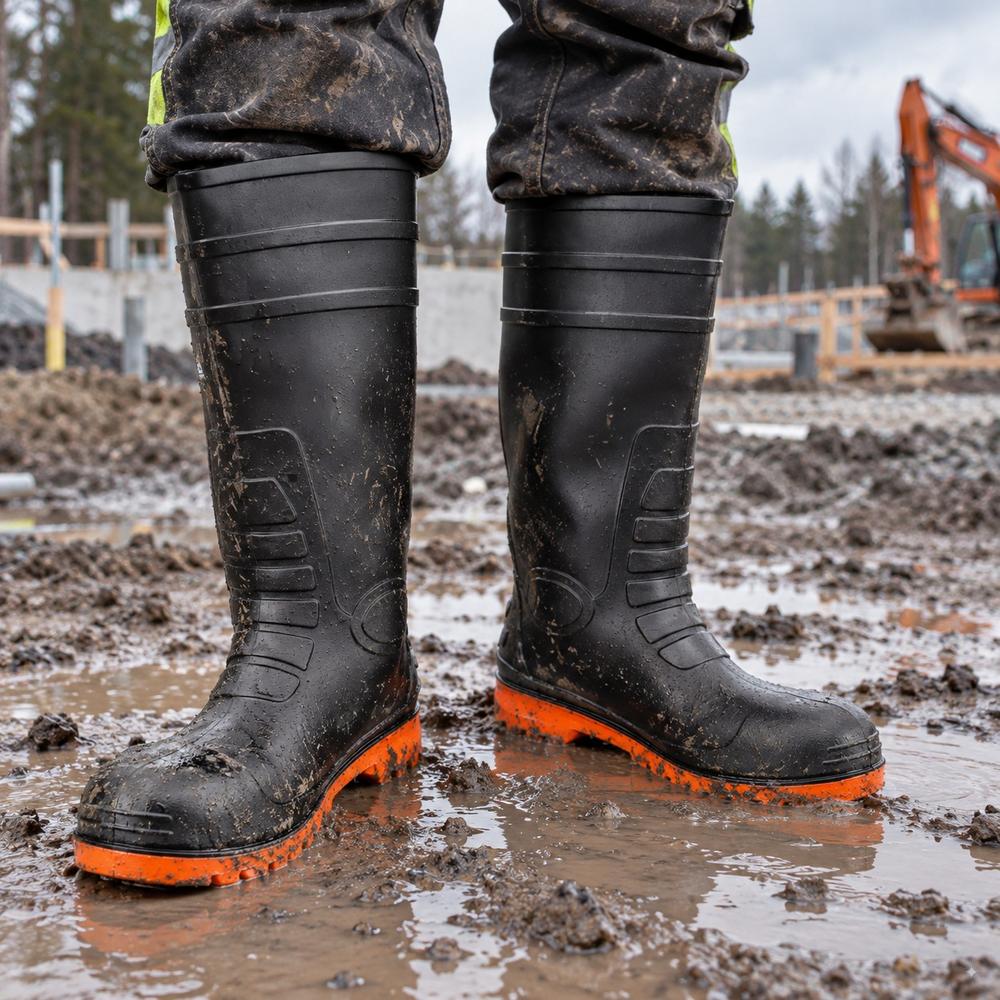
The S5 rubber boot is intended for wet and dirty work where the foot needs impact protection and a puncture-resistant sole. The moulded construction can be hosed clean.
- Construction sites: trenches, formwork and concrete pouring, with puncture protection against nails and sharp debris underfoot.
- Agriculture and machinery yards: mud, manure and washing water; the sole withstands oil and fuel splashes.
- Industry and food plants: wet floors that call for a slip-resistant sole and washable footwear.
- Areas that require antistatic footwear: the sole conducts static charge away, which reduces the risk of sparks.
- Outdoor work in wet conditions: the seamless moulding keeps your feet dry in standing water up to the height of the leg.
Package contents:
- 1 pair of safety rubber boots, Portland S5
- Instructions for use and declaration of conformity
Features:
- Steel toecap: 200 J impact energy and 15 kN compression.
- Steel midsole: sole puncture protection up to 1100 N.
- Heel shock absorption: reduces jarring on long walks.
- Antistatic sole: discharges static electricity in a controlled way.
- SR slip-resistant sole: the cleat pattern grips on wet and oily floors.
- Oil, petrol and chemical resistant sole: withstands splashes in machinery yards and workshops.
- Seamless PVC moulding: waterproof up to the full height of the leg, can be hosed clean.
- Wear reinforcement over the toes: extends the service life in kneeling work.
- Heel kick-off: lets you take the boot off with the other boot, without using your hands.
Technical specifications:
- Safety class: S5.
- Standard: EN ISO 20345:2011.
- Slip resistance: SR.
- Leg and sole material: PVC.
- Insole material: polyester.
- Toecap: steel.
- Puncture protection: steel.
- Impact resistance: 200 J.
- Compression resistance: 15 kN.
- Sole penetration resistance: 1100 N.
- Heel shock absorption: yes.
- Antistatic sole: yes.
- Oil, petrol and chemical resistance: yes.
- Fastening: none, pull-on design.
Yato safety rubber boots Portland S5: instructions for use:
Before use: Check that there are no cuts, cracks or worn-through areas in the leg or sole. A damaged boot no longer meets the requirements of class S5. Make sure the insole is in place, as the antistatic properties and shock absorption have been measured with the insole.
Putting on: Pull the boot on by the handles or the top edge of the leg. Wear moisture-wicking work socks; cotton socks stay wet and chafe. To take the boots off, press the heel kick-off at the back with the toe of the other boot.
Cleaning: Rinse the boots with clean water after use and let them dry at room temperature. Take the insoles out to dry separately. Do not dry the boots with a fan heater, on a radiator or in direct sunlight: PVC hardens and cracks.
Storage: Store in a cool, dry place with the leg straight. Long storage folded leaves a crease in the leg that wears through.
Warnings:
- The protection values are test values. They do not guarantee freedom from injury if the load exceeds 200 J, 15 kN or 1100 N.
- Antistatic footwear does not protect against electric shock. Live electrical work requires electrically insulating footwear.
- Inspect the boots before every use. A cut, crack or worn-through sole removes the level of protection, so replace the pair with a new one.
- Do not use the boots for purposes they are not classified for: PVC does not withstand molten metal, open flame or prolonged heat.
- The chemical resistance is general: for an individual chemical, check the requirement in its safety data sheet.
- A size that is too small or too large chafes and reduces support. The puncture protection works only when the foot sits correctly on the sole plate.
- Keep out of the reach of children; a steel-reinforced boot is heavy and water left inside the leg may be dirty.
Frequently asked questions (FAQ):
What does the S5 classification mean? Fully moulded waterproof safety footwear with a toecap, puncture protection, an antistatic and oil-resistant sole and heel shock absorption under the standard EN ISO 20345:2011.
Is the puncture protection of the Yato safety rubber boots Portland S5 steel or textile? Steel. The steel plate covers the sole and resists penetration up to a force of 1100 N.
Does the antistatic sole protect against electric shock? No. The antistatic property discharges static electricity, but it does not insulate against voltage.
Does the boot withstand fuel and oil? The sole is resistant to oil, petrol and chemicals. Rinse off splashes after use.
How should the boots be dried? At room temperature with the insoles taken out. A fan heater, radiator or direct sunlight hardens the PVC.
Can the insole be replaced? The insole is removable, but the antistatic properties and shock absorption have been measured with the original insole. A replacement insole may change the measured values.
Recycling instructions:
Worn-out boots contain PVC plastic, steel and polyester, and the parts cannot be separated from the moulded construction. Take clean boots to mixed waste or the energy waste fraction according to your municipality’s instructions. If the boots have been in contact with chemicals, oil or other hazardous substances, take them to a hazardous waste collection point. Remove the polyester insoles separately. Recycle the protective bag as plastic.