
Description
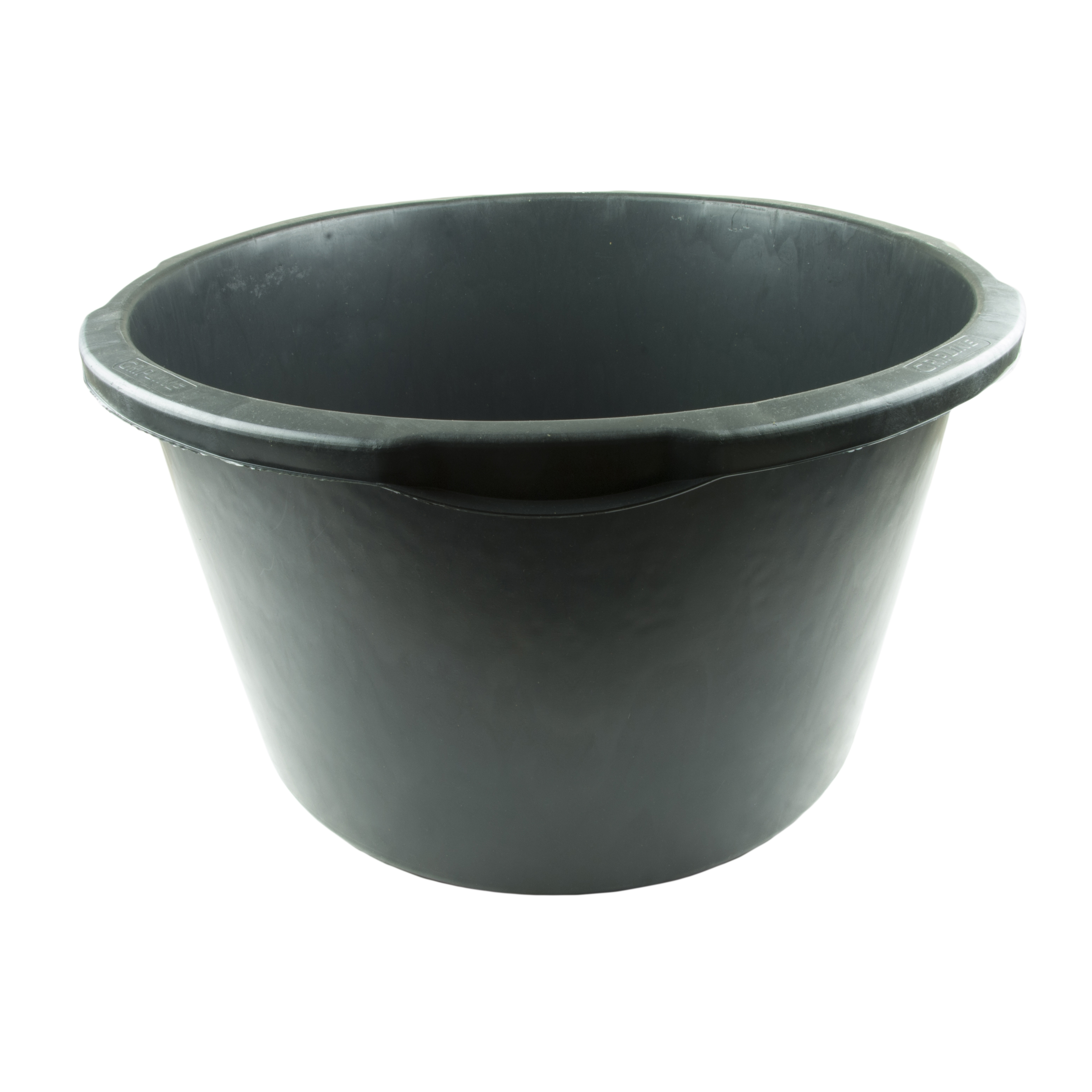
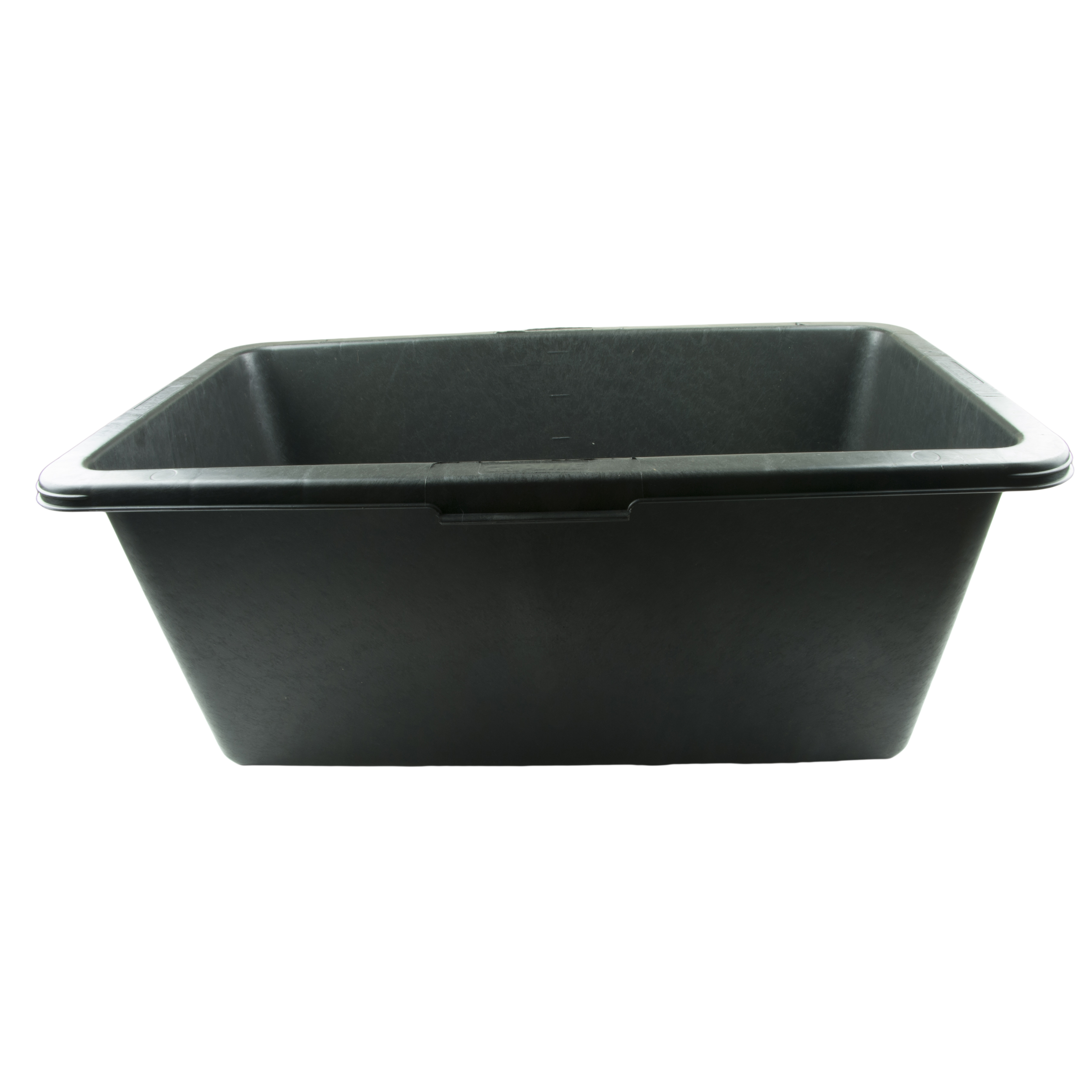
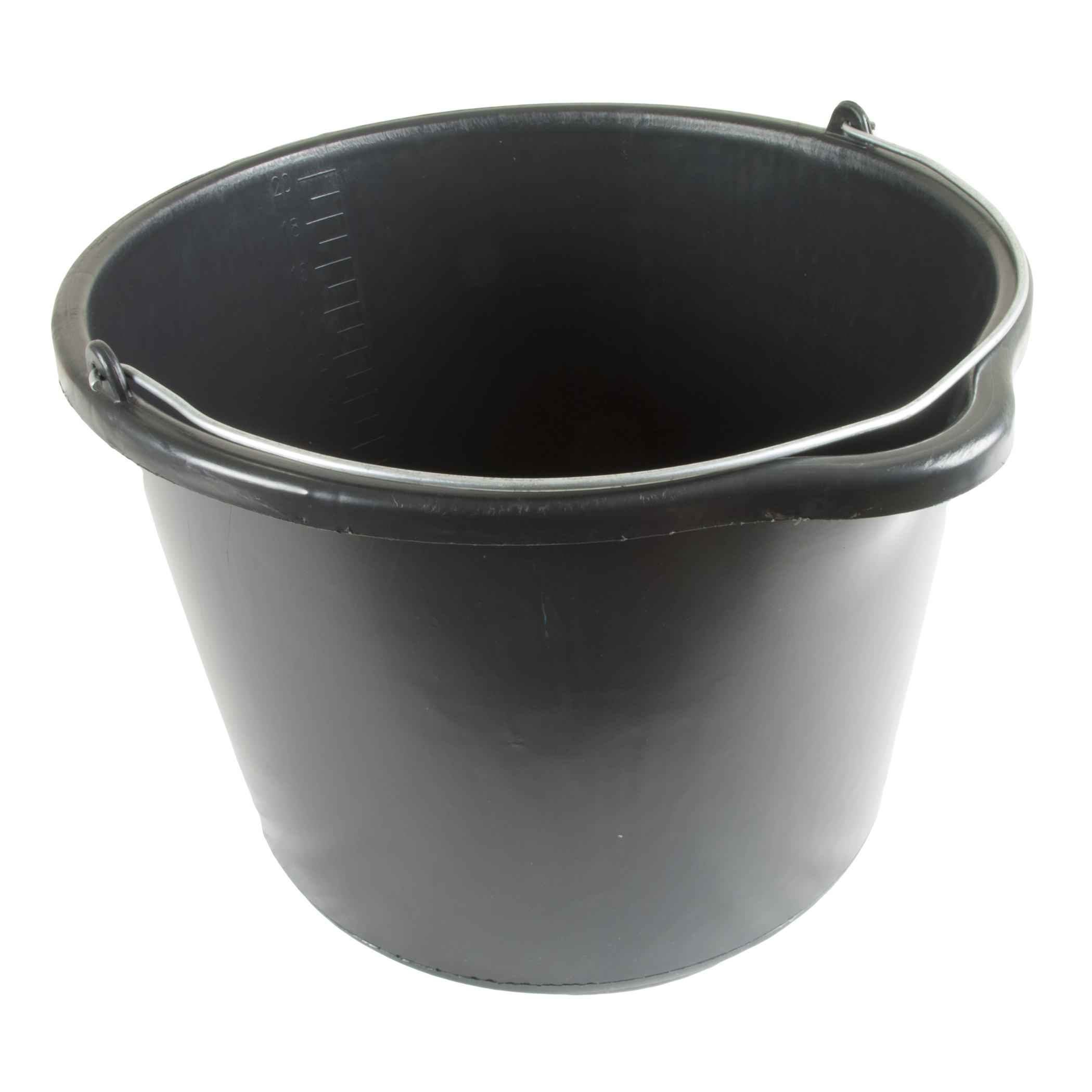
The Berdal industrial bucket 20 L is a plastic bucket sized for construction use, with a metal carrying handle and a pouring spout. The capacity is 20 litres, and there is a measuring scale on the inner wall for dosing.
The bucket is made of recycled plastic. The recycled content of the industrial buckets is 80%; the rest is accounted for by the metal carrying handle, which is not plastic. Construction tubs made of plastic only are 100% recycled raw material. Plastic waste from manufacturing is reused in production.
The construction is sized for heavy compounds. The specially reinforced sides and their attachment to the handle, together with a tear-resistant plastic blend, carry the weight of mortar, filler, gravel and sand at full load. The buckets are TÜV NORD-certified, which means they have been tested to withstand repeated lifts with heavy loads. In 2014 the manufacturer was awarded the German eco-label Der Blaue Engel.
The bucket walls are angled from the vertical so that less air is trapped between stacked buckets and they come apart easily. The surface is smooth and finished, so dried mortar comes off more easily. The bucket is lighter than solid plastic buckets of the same capacity, which reduces carbon dioxide emissions from manufacturing and transport. A bucket made of recycled plastic is not suitable for food use.
Intended use and suitability:
The industrial bucket is the general-purpose site container for mixing, moving and dosing.
- Mixing mortars and fillers: the reinforced sides withstand the side load from a mixing paddle, and the measuring scale makes it easier to dose the amount of water.
- Moving compounds: moving gravel, sand, crushed stone and demolition waste on site; the metal handle withstands lifting a full load.
- Dosing through the pouring spout: controlled pouring of liquid or fluid compounds without running down the side of the bucket.
- As a water container: washing tools and surfaces, and watering.
- Storage and transport: the stackable shape saves space in the warehouse and in the van.
Package contents:
- 1 industrial bucket 20 L, pouring spout, measuring scale and metal carrying handle fitted
Features:
- Capacity 20 L: the most common size of mixing and carrying container on site.
- Pouring spout: guides the compound out of the container in a controlled way without running down the side.
- Metal carrying handle: withstands lifting a full load and keeps its shape.
- Measuring scale: the scale on the inner wall doses water and compound quantities without a separate measuring container.
- Specially reinforced sides: carry heavy compounds and withstand the side load from a mixing paddle.
- 80% recycled plastic: the material is recycled raw material, except for the metal handle.
- TÜV NORD certification: tested for repeated lifts with heavy loads.
- Stackable shape: the angled walls let the buckets come apart from the stack.
- Smooth inner surface: dried mortar comes off more easily when washing.
Technical specifications:
- Capacity: 20 L.
- Material: recycled plastic, 80% recycled raw material.
- Carrying handle: metal.
- Pouring spout: yes.
- Measuring scale: on the inner wall.
- Certification: TÜV NORD.
- Eco-label: Der Blaue Engel (awarded 2014).
- Food use: not suitable.
Berdal industrial bucket 20 L instructions for use:
Mixing: Dose the water using the measuring scale and add the dry material gradually. Keep the mixing paddle in the middle of the bucket and start the machine only when the paddle is inside the compound. A paddle hitting the wall wears the plastic and can split it.
Lifting: Lift the bucket straight up by the handle. Do not carry a full bucket by the rim or the pouring spout.
Pouring: Tilt the bucket slowly on the spout side and support the base with your other hand. The spout narrows the flow and keeps the side of the bucket clean.
Cleaning: Wash the bucket straight after use, before the compound hardens. Dried mortar comes off when you flex the side of the bucket, so that the hardened layer breaks away from the smooth surface.
Storage: Dry and stack the buckets. Protect them from prolonged sunlight: UV radiation makes the plastic brittle.
Warnings:
- Not suitable for food, drinking water or animal feed; the material is recycled plastic.
- A full 20-litre bucket weighs over 30 kg depending on the compound; lift with a straight back and split the load between two buckets.
- Do not carry the bucket by the pouring spout or the rim: the handle is the only carrying point.
- Cement-based compounds are alkaline and corrosive to skin; wear protective gloves and safety glasses.
- Do not use the bucket as a step or a stool.
- Protect from frost and impacts: cold plastic becomes brittle and may split.
- Do not leave a bucket filled with water within reach of small children because of the risk of drowning.
Frequently asked questions (FAQ):
Is the Berdal industrial bucket 20 L suitable for food? No. The bucket is made of recycled plastic and is not suitable for food use.
How much of the bucket is recycled material? 80% in the industrial buckets; the metal carrying handle limits the share. Plastic-only construction tubs are 100% recycled raw material.
Does the bucket withstand machine mixing? Yes, when the paddle is kept in the middle of the bucket. A paddle hitting the wall wears the plastic and can split it.
What is the pouring spout for? The spout narrows the flow of compound when pouring, so that it does not run down the side of the bucket.
How do I get hardened mortar off? Let the mortar dry completely and flex the side of the bucket; the hardened layer breaks away from the smooth inner surface.
Can the buckets be stacked? Yes. The angled walls leave less air between the buckets and let them come apart easily.
Recycling instructions:
Sort a bucket that is no longer used as plastic waste, cleaned. Remove the metal carrying handle and sort it as metal waste. Hardened mortar and filler waste belongs in construction waste, not in plastic waste or the drain. Do not pour washing water containing cement-based compound into the drain; let the solids settle and take them to construction waste.