
Description
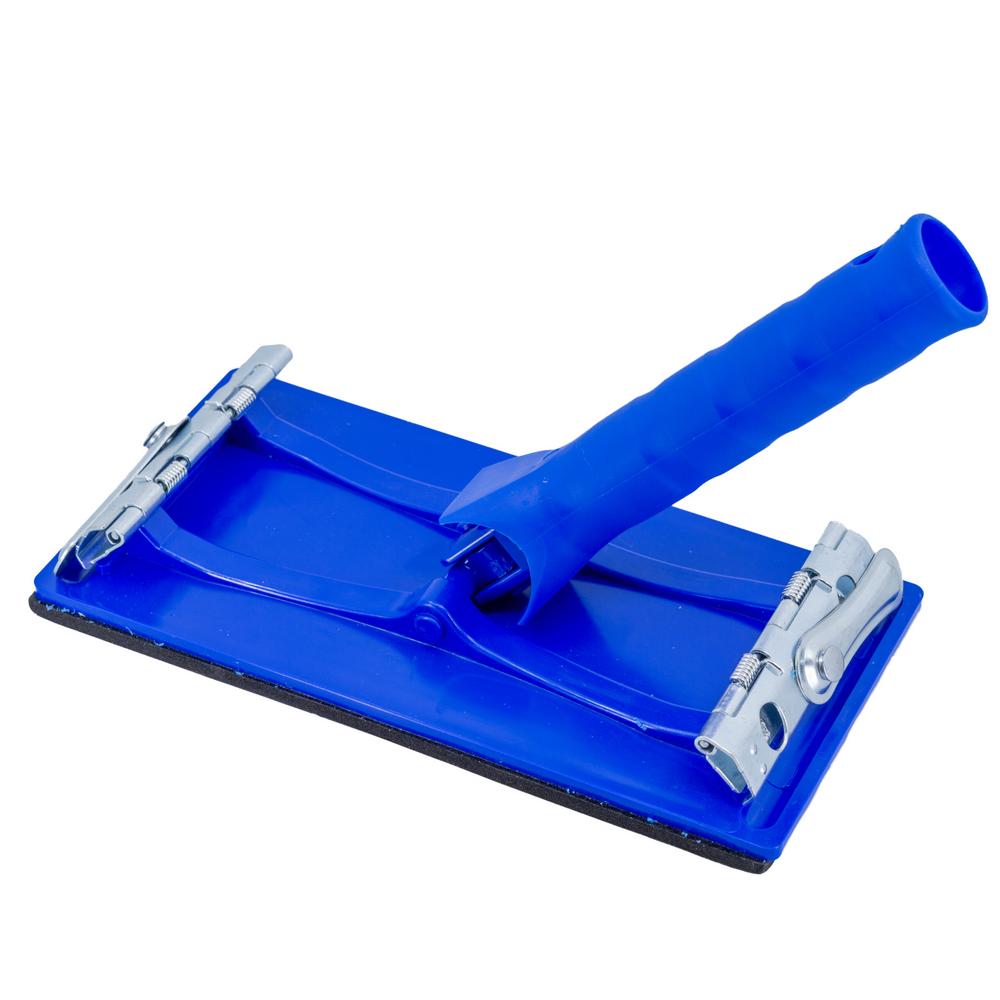
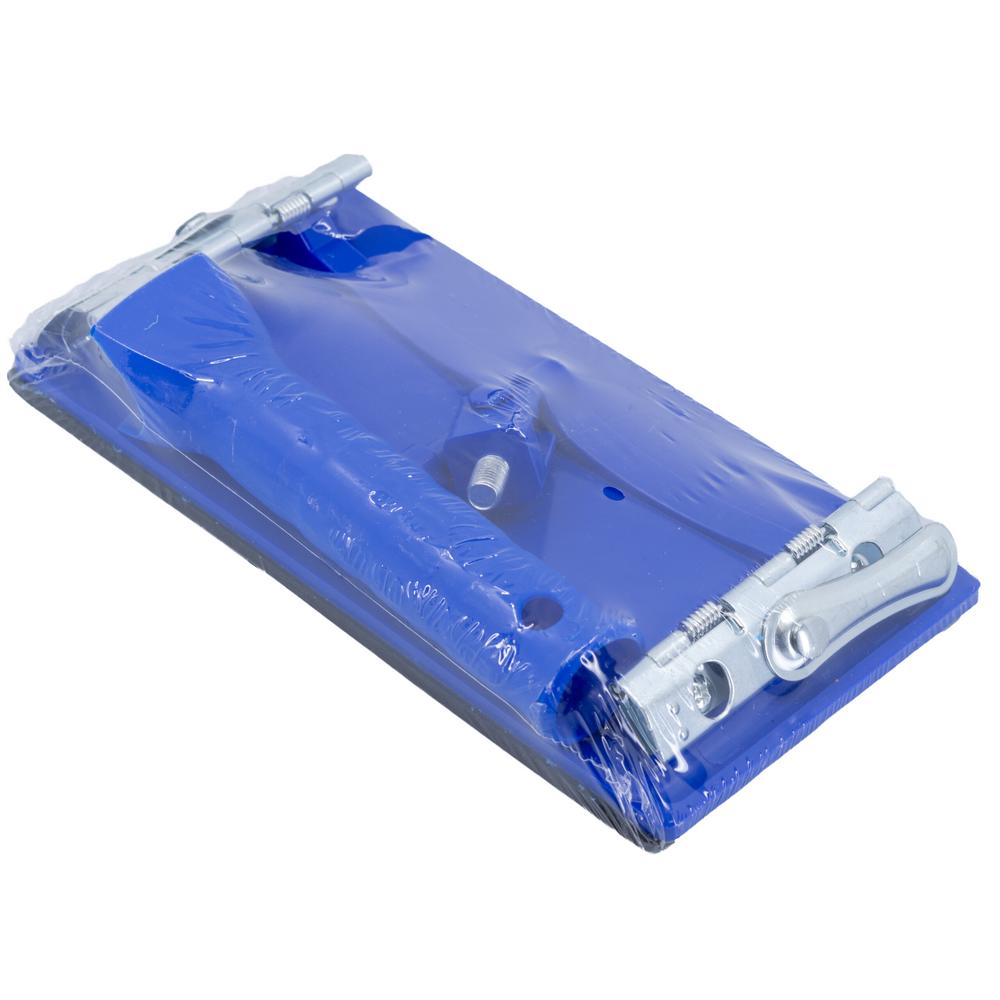
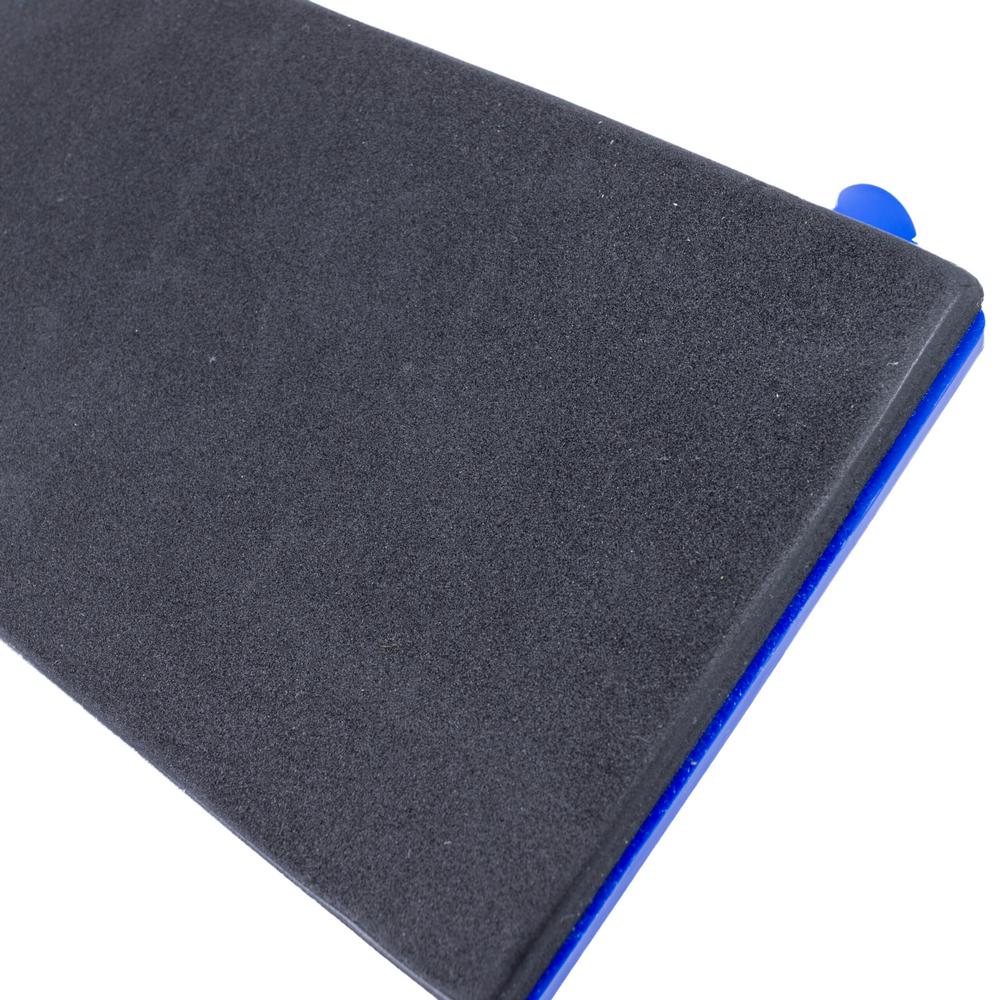
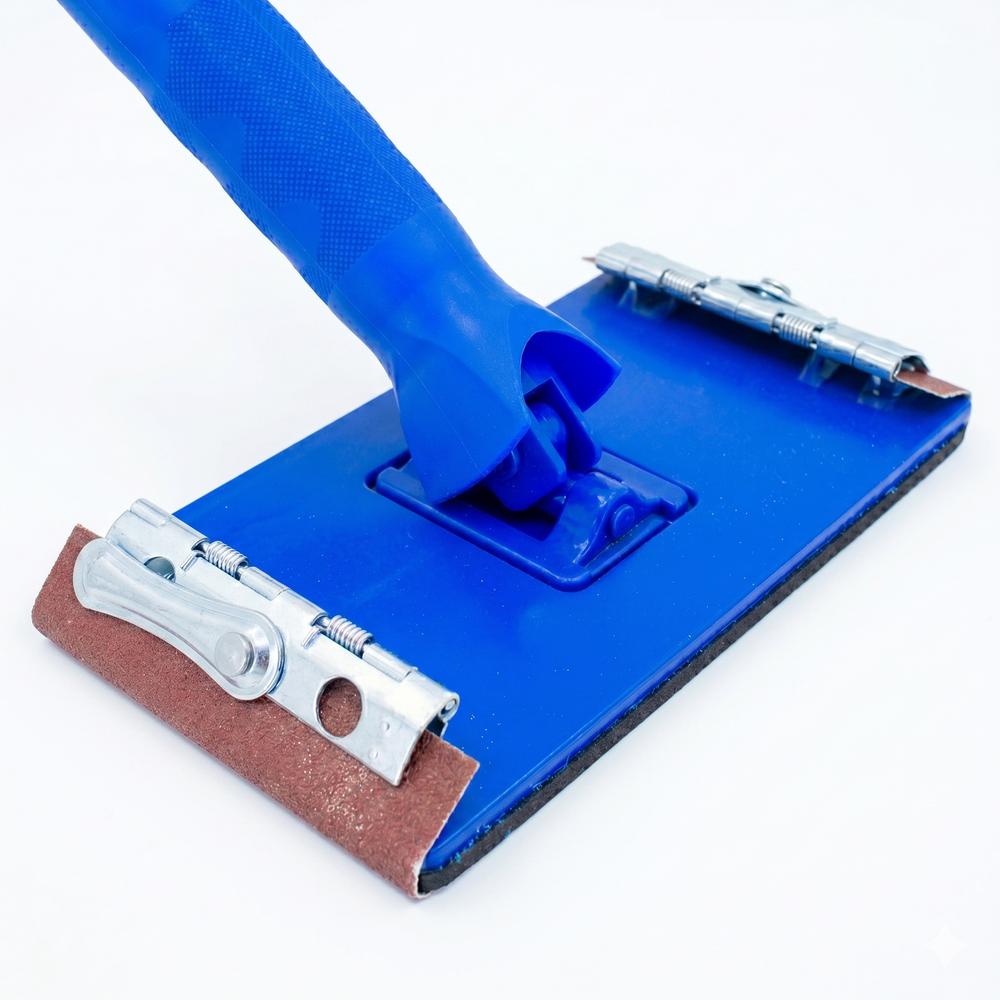
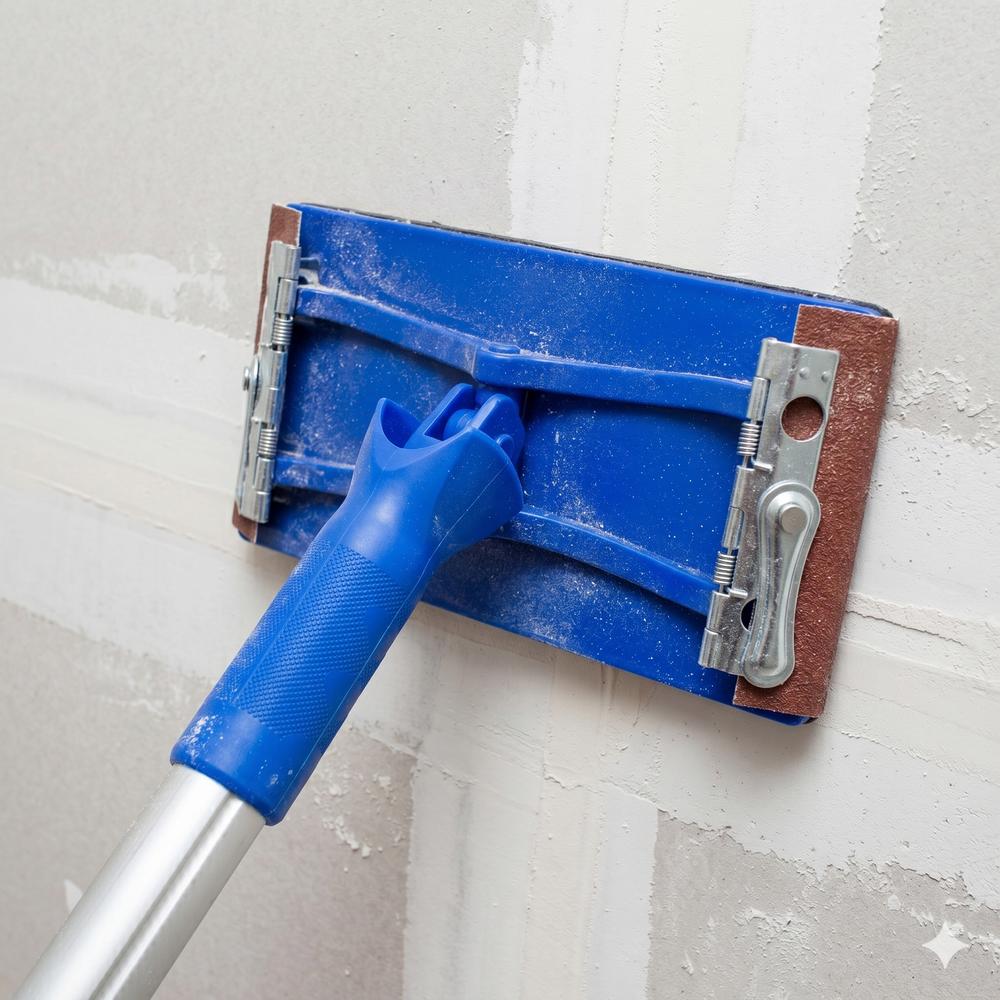
The Painter jointed sanding block is designed especially for effortless working of large surfaces such as ceilings and walls. Its 210 x 105 mm base offers an optimal surface area for even, fast sanding, which reduces the time spent on the work significantly. Thanks to the jointed construction, the sanding block adapts automatically to the angle of the surface being sanded.
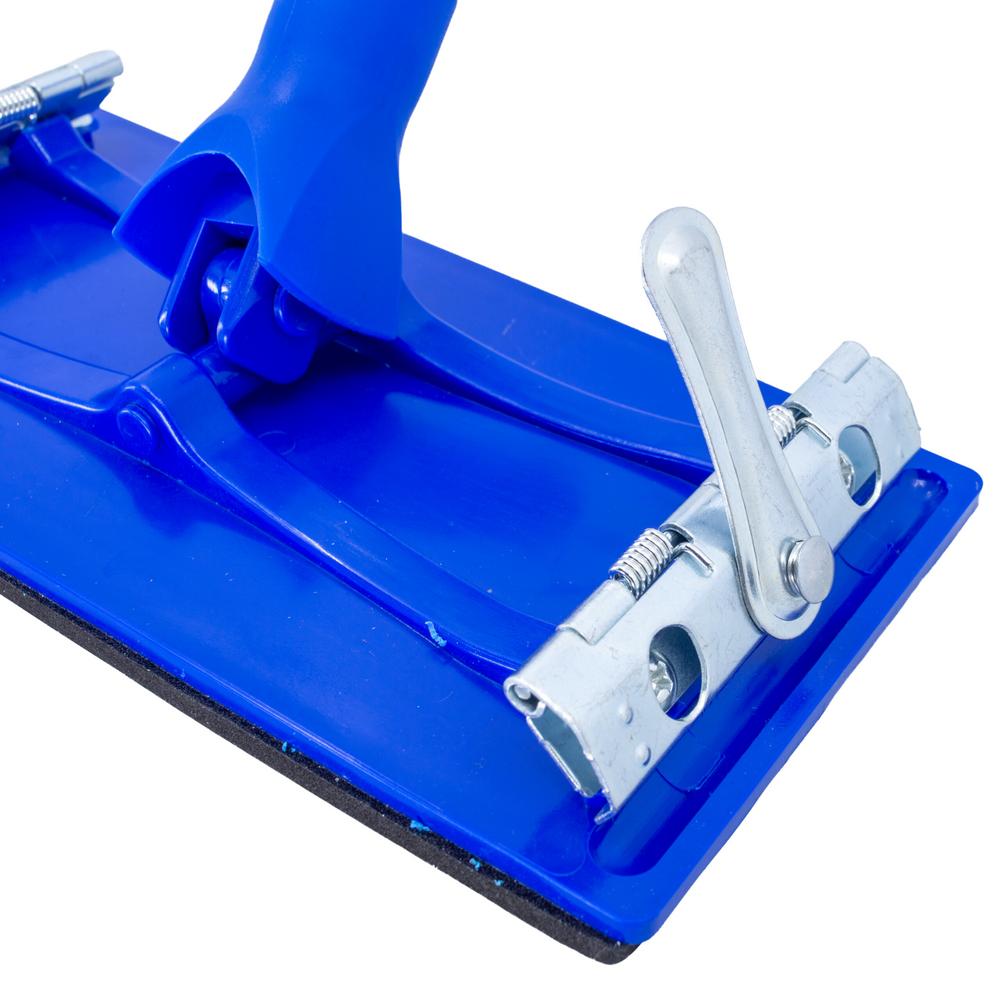
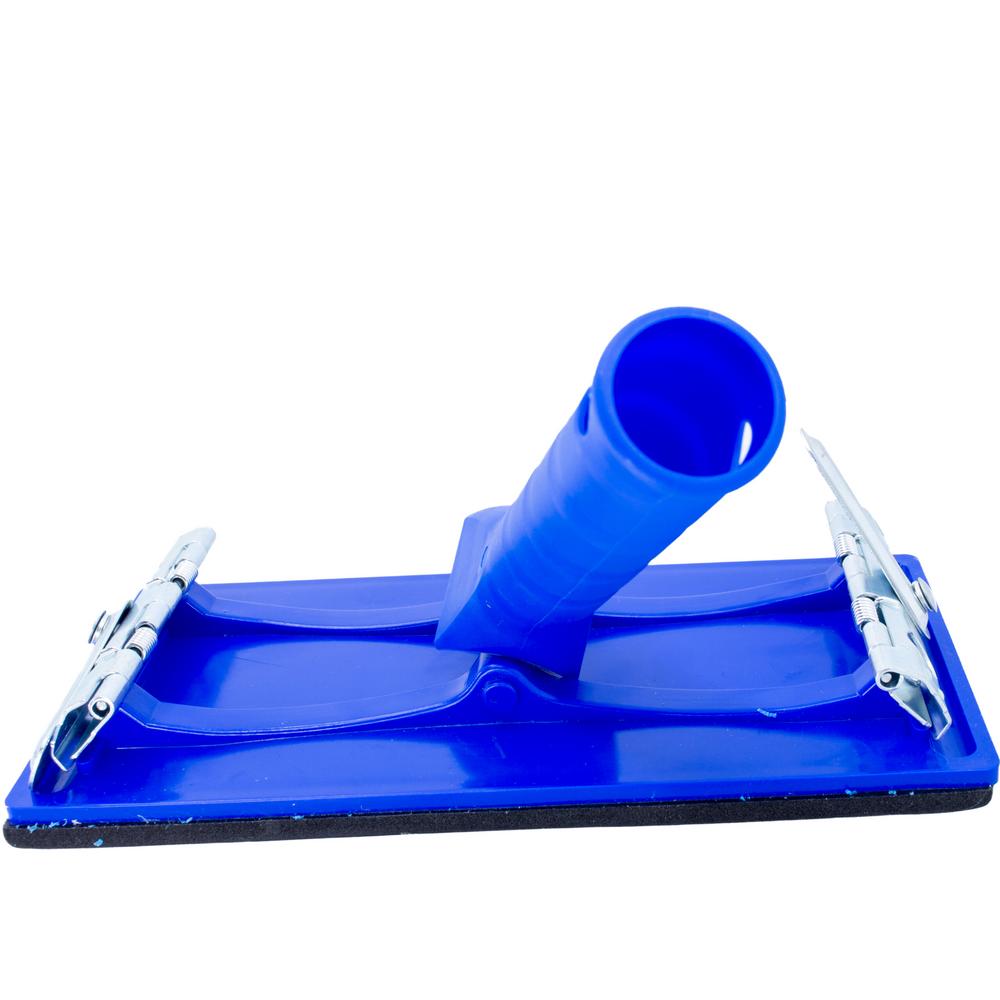
This model, which attaches to extension poles, removes the need to keep moving ladders, making work safer and more ergonomic. A fitting that suits standard-size extension poles ensures compatibility with most poles on the market. The built-in clamping mechanism for fixing the sandpaper is designed for quick use, so changing paper takes seconds without separate tools.
The body of the jointed sanding block is made of stress-tolerant materials that withstand even heavy sanding pressure. The joint mechanism is balanced to move smoothly, so the sandpaper stays in constant close contact with the surface being worked. This feature reduces unevenness and ensures an even sanding finish over the whole area being treated, when the sandpaper grit the surface requires is used.
The dimensions of the product make it perfectly compatible with standard-size sandpaper sheets and rolls. When this jointed sanding block is attached to a suitable extension pole, large areas can be treated without unnecessary strain on the body. The spring-loaded clamping mechanism holds the sandpaper firmly in place throughout the work, preventing it creasing or tearing even during long strokes.
Intended use:
This jointed sanding block is designed for a wide range of surface treatment tasks where reach and even sanding pressure are key.
- Sanding walls: Allows large wall surfaces to be smoothed quickly before painting or wallpapering. The jointed pole fitting helps keep the sanding block at a straight angle to the wall throughout the stroke, from floor to ceiling.
- Sanding ceilings: With an extension pole, the ceiling can be sanded safely straight from floor level. The jointed sanding block adjusts to the right angle when working above head height, so the working posture stays neutral.
- Preparing floors and decks: Suitable for sanding horizontal surfaces, such as the edges of wooden floors or decking boards, while standing, so there is no need to strain your knees or back.
Package contents:
- 1 x Painter jointed sanding block 210 x 105 mm
Features:
- Jointed pole fitting: Allows the sanding head to move freely and adapt to the shape of the surface, ensuring constant contact with the workpiece.
- Clamping mechanism for fixing the sandpaper: Speeds up work significantly, because the sandpaper can be fitted and removed in seconds with the spring-loaded clamps.
- Standard extension pole fitting: The product can be attached to the most common threaded or push-fit paint roller poles and extension poles on the market, which increases its uses.
- Optimised base size: The 210 x 105 mm base is large enough for efficient work but compact enough to fit into narrower gaps.
Technical specifications:
- Length: 210 mm
- Width: 105 mm
- Fixing method: Clamping mechanism for sandpaper
- Pole connection: Jointed connection for standard extension poles
- Body material: Impact-resistant plastic / metal
Painter jointed sanding block 210 x 105 mm instructions for use:
To fix the sandpaper, start by opening the clamps at both ends of the sanding block. Cut a strip of sandpaper of suitable length or use pre-cut sheets that fit the 210 x 105 mm base. Place one end of the paper under the clamp and lock it in place. Pull the sandpaper tight over the base of the sanding block and fix the other end in the opposite clamp. Make sure the paper lies evenly and tightly against the base so that the clamping mechanism works correctly and the paper does not tear in use.
Attach the jointed sanding block to the extension pole by pushing or screwing the pole into the fixing neck of the block, checking that the lock holds before starting work. Sand along the surface with even strokes. Avoid using excessive force; let the grit of the sandpaper do the work. The jointed head adapts to the angles of the surface automatically as you push. Clean sanding dust out of the joints and clamps of the tool regularly after use to prevent jamming.
Warnings:
Surface sanding produces fine dust. Always wear suitable respiratory protection (at least FFP2 rating) and safety glasses during work, especially when sanding ceilings. Make sure the extension pole is locked firmly in place to prevent the tool falling or coming loose. Prolonged work above head height can strain the neck and shoulder area; take regular breaks.
Frequently asked questions (FAQ):
- Can hook-and-loop (Velcro) papers be used on the sanding block?
The product has a clamping mechanism for fixing sandpaper, so it is intended primarily for traditional sandpaper sheets and rolls, not hook-and-loop papers. - What size extension pole does the product fit?
This jointed sanding block is designed to fit standard-size paint roller extension poles (usually a tapered or universal threaded connection). - Is the product suitable for sanding corners?
The rectangular shape and 210 x 105 mm dimensions of the product allow access to the edges of walls and ceilings, but fully sharp internal corners may need a separate corner sanding block or hand sanding.
Recycling instructions:
Sort the packaging material of the product into cardboard or plastic collection according to the markings on the packaging. When the sanding block reaches the end of its life, sort the metal clamp springs and any screws into metal collection. The body part, made mainly of plastic, goes to mixed waste or incinerable waste according to local waste management regulations. Always dispose of used sandpaper with mixed waste.