
Description
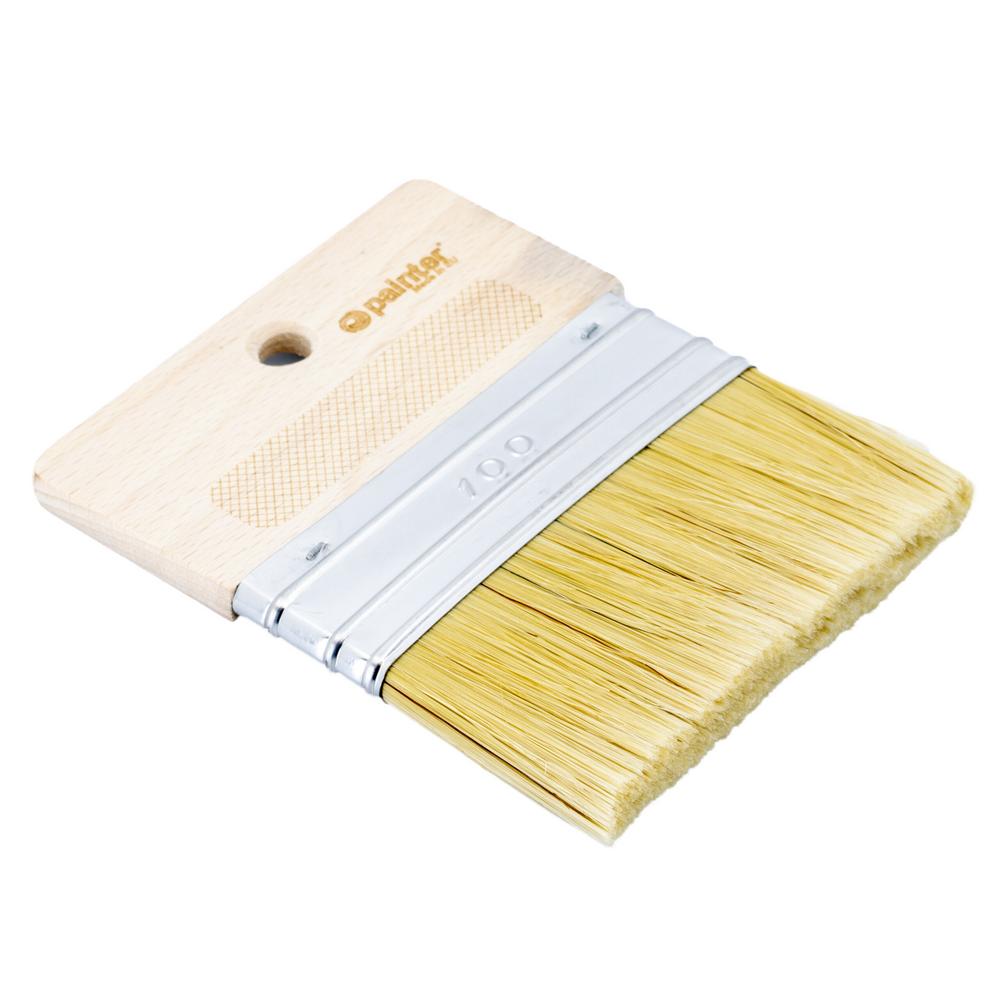
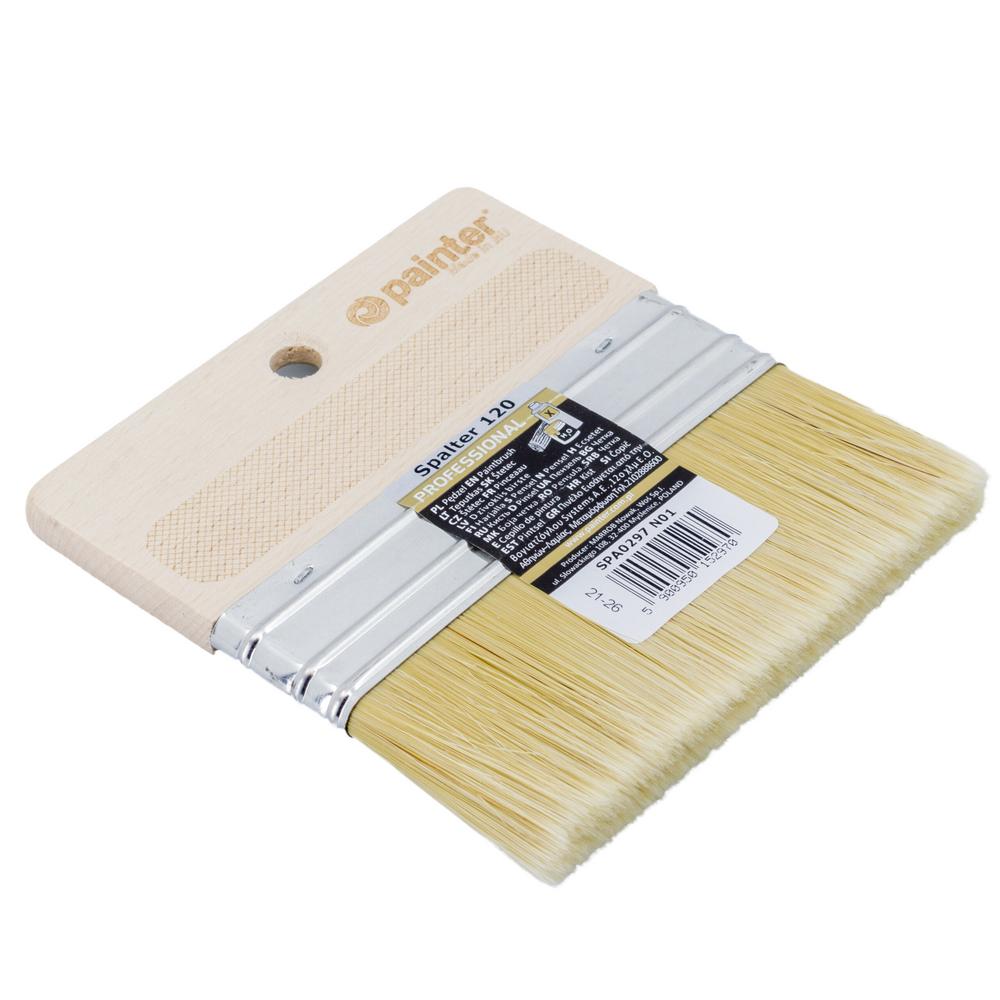
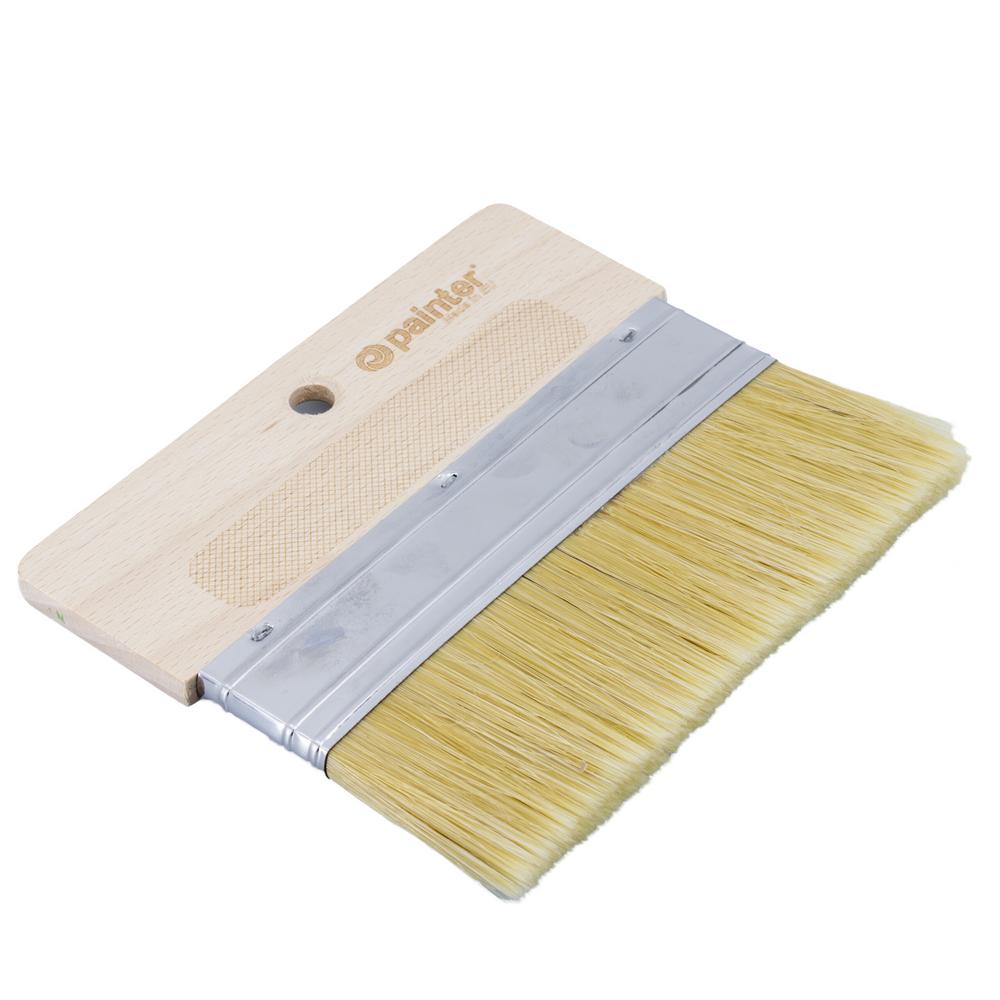
Painter block brush Splater 90% TOPS mixed bristle FSC N01 is a wide painting tool designed for treating large areas. The characteristic body shape of the block brush, which fits in the palm, allows a firm grip and efficient transfer of force when treating large areas such as ceilings, facades or large floor surfaces. The shape of the body helps reduce hand strain in long painting processes and gives steady control of the tool.
The technical basis of the tool is its 90% TOPS mixed bristle. This specification means that as many as 90 per cent of the bristles are full length, reaching from the base of the body right to the tip of the brush. Such an even, dense bristle structure gives the brush considerable volume, which maximises its liquid holding capacity. The large paint reservoir reduces the need to keep dipping the brush in the container, allowing longer, continuous strokes over a wide area with one dip.
The bristle head is made of mixed bristle, which combines synthetic fibre and natural bristle. The natural bristle helps paint absorption and transfer to the surface, while the synthetic fibres maintain the spring and structural integrity of the tool when water-based products are used. This combination of materials ensures full compatibility with both water- and solvent-based paints, varnishes, primers and various wood stains, whatever their chemistry.
The body and grip of the brush is a handle part made of FSC-certified wood. The FSC certificate shows that the wood used in the product has been sourced from environmentally responsibly managed forests. The wooden body is joined to the thick bristle head with a mechanical fixing and strong bonding that holds the wide bristle mass tightly together and withstands the repeated effects of painting chemicals and cleaning solvents without the structure suffering.
Intended use:
- Painting ceilings and floors: The wide area and large paint capacity make the block brush an optimal tool for large, flat surfaces.
- Facades and exterior cladding: Thanks to its thick bristle structure, the brush transfers paint or protective product efficiently onto rough, porous exterior surfaces.
- Applying primers and compounds: The design of the tool allows controlled application of thicker products too, such as various bonding primers and textured coatings.
- Making spatter finishes and textures: The Splater feature and the stiffness of the bristles suit working certain textured spatter finishes or deliberate patterns with paint.
Package contents:
- 1 x Painter block brush Splater 90% TOPS mixed bristle FSC N01 (size according to the selected width)
Features:
- Block-shaped grip: Allows a firm grip with the whole palm, which makes the wide tool easier to control and reduces strain on the wrist on large surfaces.
- 90% TOPS bristle construction: At least 90% of the bristles are full length, which thickens the tip and holds significantly more liquid than conventional brushes.
- Mixed bristle: The optimised blend of natural bristle and synthetic fibre guarantees compatibility with all types of paint and varnish without going limp in water.
- FSC-certified wooden body: The solid handle made of responsibly produced wood gives a balanced feel and is durable in long-term use.
- Splater construction: Adapts to transferring and applying not only liquid paints but also considerably more viscous products and compounds.
Technical specifications:
- Bristle material: Mixed bristle (synthetic fibre and natural bristle)
- Brush type: Block brush / wall brush
- Body material: Wood (FSC-certified)
- Fixing method: Mechanical body fixing
- Compatibility: Water- and solvent-based paints, varnishes, oils, translucent stains and bonding primers
Painter block brush Splater N01 instructions for use:
Remove any loose dust from the brush by rubbing the bristles lightly by hand before starting work. When using the block brush, dip only its tip, no more than about half the length of the bristles, into the paint or primer. Because this is a very wide, thick tool, dipping it too deep makes paint build up inside the body, which makes the brush heavy and very difficult to clean. Apply the paint with long, consistent strokes, using the tool’s own weight and large contact area.
If you stop painting for a moment, stop the bristles drying out by wrapping the whole bristle head of the block brush tightly in plastic film or a sealable bag. Never leave the block brush resting on its bristles on the bottom of the paint container, as the wide bristle head can be permanently bent flat or crooked.
Wash the tool thoroughly as soon as you have finished. Water-based paints and compounds are rinsed out with warm water and a mild detergent. Make sure the water flows through the thick bristle head, rinsing out the colourants from the middle too. When solvent-based products are used, use the solvent specified by the paint manufacturer before washing with water. After cleaning, gently squeeze the excess liquid out of the bristles, shape the bristle head back into its straight form with your fingers and leave it to dry on a flat, airy surface.
Warnings:
When working with solvent-based paints or cleaning chemicals, make sure the work area has continuous, effective ventilation. Wear the personal protective equipment recommended by the paint manufacturer. If the block brush is used to apply self-igniting substances (such as linseed oil or certain wood waxes), the thick, oily bristles are a significant fire hazard. Clean the whole brush immediately after use or keep it temporarily immersed in a container filled with water to prevent spontaneous combustion.
Frequently asked questions (FAQ):
What is a block brush and what is it used for?
A block brush is a wider and thicker painting tool than usual, with a thick body that sits in the palm. It is used for painting large surfaces such as ceilings, floors and facades and for applying various primers. Its large size speeds up treating large areas considerably.
What is the benefit of the 90% TOPS construction in a block brush?
90% TOPS means that most of the bristles are of the same length and reach from the body to the tip of the bristles. As a result, the mass formed by the bristles is thick at the tip, which gives the brush an enormous capacity to hold paint. This feature reduces the number of dips needed when treating large surfaces.
Can mixed bristle be used for water-based paints?
Yes. Mixed bristle combines the spring and water resistance of synthetic fibre with the ability of natural bristle to hold paint. It is suitable for all paints and stops the bristles going limp when water-based products are applied.
Recycling instructions:
A worn-out brush that is completely dry and cleaned of chemicals is sorted into normal mixed waste. If, however, the thick bristle head contains undried paint or chemical residues classified as hazardous waste (e.g. solvent paints or self-igniting oils), the tool must be taken to a hazardous waste collection point.