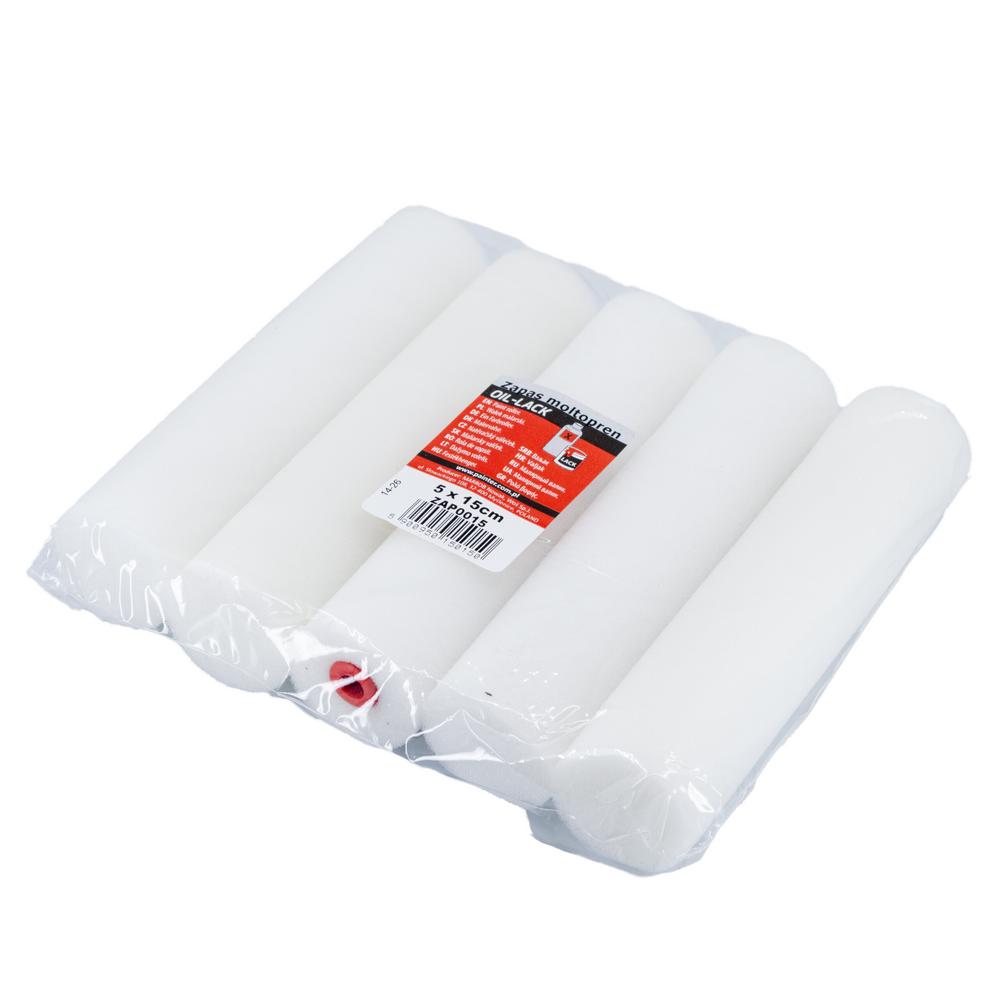

Description
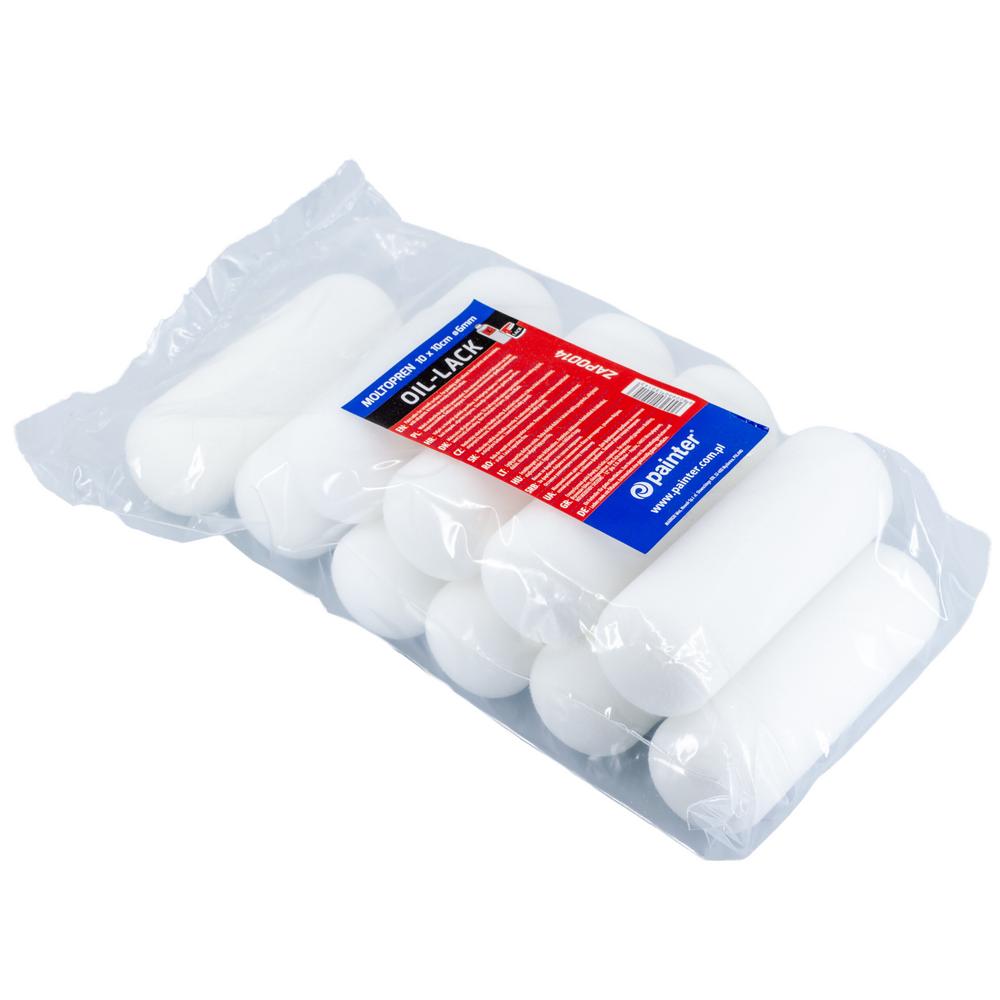
The Painter paint roller Ø16 mm 10 mm foam is designed especially for applying demanding oils and varnishes to various flat surfaces. The dense structure of the foam lets the paint or varnish be absorbed and transferred to the surface in a controlled way. This reduces splashes and ensures a very even paint film.
The tool uses a standard Ø16 mm inside diameter, which makes it compatible with most 6 mm roller frames on the market. The 10 mm thickness of the foam roller is carefully chosen so that it can store enough finish in one dip while keeping full contact with the surface being worked.
When working with oil- and varnish-based products, it is important to avoid air bubbles forming in the surface. This foam paint roller is designed to minimise air mixing into the liquid during application, which leads to a perfectly smooth result. The material withstands the solvents typically found in traditional wood oils and furniture varnishes well.
When you choose a Painter paint roller, you get a reliable tool for treating both large flat surfaces and narrower panels. The design of the product focuses purely on function and structural durability, which ensures a long tool life and performance with every stroke.
Intended use:
- Oiling wooden surfaces: Suitable for oiling flat and solid wood surfaces such as table tops or furniture, ensuring even absorption of the product.
- Varnishing furniture: An ideal solution for varnishing smooth indoor and outdoor furniture where an absolutely bubble-free, even surface is needed.
- Finishing doors and board surfaces: Used for treating large, completely flat surfaces where you want no roller marks or shed fibres.
Package contents:
- 1 pc Painter paint roller (foam, 10 mm, Ø16 mm fitting)
Features:
- Dense foam structure: Prevents air bubbles forming during application and guarantees a smooth paint film.
- Lint-free surface: Foam leaves no fibres or lint on the surface, which is of primary importance in varnishing.
- Solvent resistance: Withstands most solvents used in oil- and varnish-based products while keeping its shape.
- Standard fitting: The Ø16 mm fitting guarantees compatibility with the most common roller frames.
Technical specifications:
- Material: Foam
- Surface material thickness: 10 mm
- Fitting inside diameter: Ø16 mm
- Suitability: Oils, varnishes and other similar smooth finishes
Painter paint roller instructions for use:
Before you start, check that the roller is free of dust. Fit the roller firmly to a 6 mm roller frame. Dip the roller carefully in the varnish tray or container and roll off the excess product against the roller grid. Apply the product to the surface with calm, parallel strokes to avoid air bubbles forming. After use, clean the roller immediately with the thinner or cleaning agent recommended by the manufacturer of the product used (oil or varnish). Squeeze out the excess cleaning agent and let it dry in an airy place. Do not leave the roller soaking in solvent for long periods, so that the foam structure is not damaged.
Warnings:
Foam may react with very strong special solvents or epoxy-based products. Always check in the product’s own instructions for use that the finish used is suitable for foam. Also make sure there is proper ventilation and wear the necessary personal protective equipment when handling solvent-based varnishes and oils.
Frequently asked questions (FAQ):
- Is the Painter paint roller suitable for water-based paints? Although the product is designed primarily for oils and varnishes, it can also be used with water-based varnishes on smooth surfaces.
- Can the foam roller be washed and reused? Yes, as long as it is cleaned carefully with the right thinner immediately after use and dried properly.
- Why choose 10 mm thick foam? The 10 mm thickness gives a balance between the capacity to store product and applying an even, thin film.
Recycling instructions:
A used paint roller should be sorted as mixed waste (combustible waste) if it is completely dry and contains no liquid chemicals. If the roller is wet and contains oil or varnish residues classified as hazardous, it should be taken to a local hazardous waste collection point. The plastic packaging of the product can be sorted into plastic collection and the cardboard into cardboard collection.