
Description
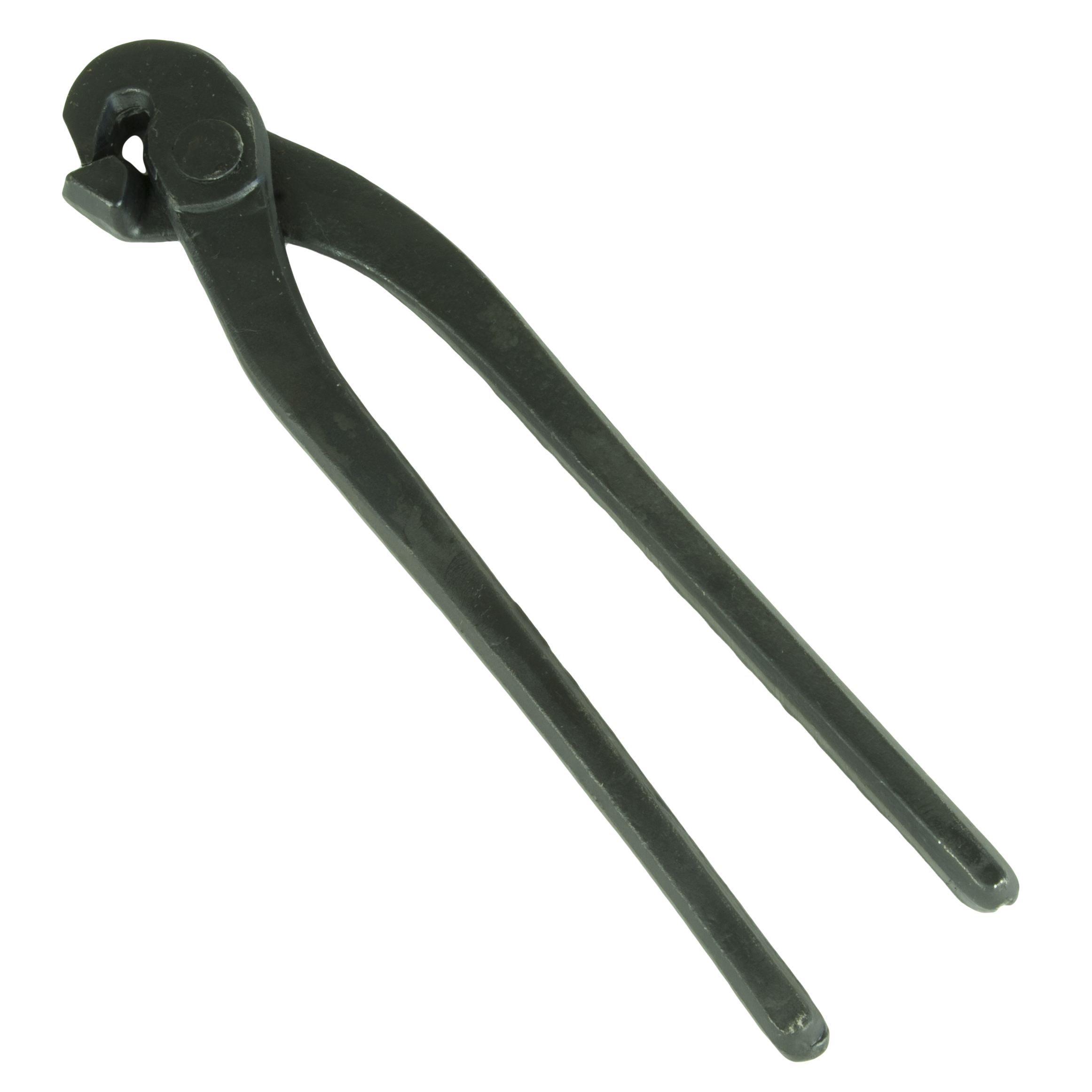
These parrot-beak nibbling pliers are a special tool designed for precise manual working of various tile materials such as ceramic tiles and hard porcelain stoneware tiles (porcellanato). The primary job of the pliers is to “nibble” material away in small pieces from the edge of the tile. This method allows very detailed, controlled shaping in places where larger tile cutters or angle grinders cannot reach or are unsuitable because of the precision required.
The special shape of the parrot-beak jaws delivers strong, concentrated clamping force directly to the cutting edges. When the handles are squeezed, the jaws crumble the hard tile material in a controlled way in small amounts. This makes the tool an essential aid in the finishing stage of tiling, when tiles have to be fitted to complex shapes, along walls and around pipe penetrations, or when sharp corners need to be neatly rounded.
The tool is designed to withstand the strain of working hard, brittle material. It gives the user a precise feel for the workpiece, which helps avoid unwanted chipping of the tile during nibbling.
Intended use:
The tile nibbling pliers are intended primarily for fine-tuning and shaping ceramic and porcelain stoneware tiles.
- Making details and shapes: Precise shaping of tile edges and corners, for example roundings at door openings, small narrowings or following irregular shapes that cannot be made by straight cutting. Nibbling lets you advance a millimetre at a time towards the shape you want.
- Making penetrations and recesses: Nibbling holes and recesses in tiles for HVAC and plumbing pipes, electrical boxes or other installations. A hole is often started by drilling in the middle, after which it is enlarged and shaped from the edges by nibbling it to the right size.
- Mosaic work: Breaking up and shaping small pieces of tile for precise mosaic installations or repairs that need small, exactly shaped pieces.
Package contents:
- 1 pcs tile nibbling pliers (parrot-beak model)
Features:
- Parrot-beak jaws: The curved shape of the jaws allows great clamping force to be applied to a small area and gives good visibility of the working point, which is essential for precise nibbling of hard material.
- Suitability for different tile types: Designed especially for working ceramic tiles and dense porcelain stoneware tiles.
- Precise working finish: Lets you remove small amounts of material at a time, so the result is controlled and the risk of the whole tile cracking is reduced.
Technical specifications:
- Product type: Nibbling pliers / parrot-beak pliers for tiles
- Materials worked: Ceramic tile, porcelain stoneware tile (gres/porcellanato)
- Method of operation: Manual compression cutting
Instructions for use:
For the best result, first mark the shape you want clearly on the tile with a pencil or marker. Grip the edge of the tile with the pliers so that the jaws bite off only a small piece at a time (typically about 1-3 mm, depending on the thickness and hardness of the tile). Squeeze the handles evenly and firmly until the piece crumbles off. Do not try to break off too large a piece at once or twist the pliers sideways, as this can split the whole tile uncontrollably. Work calmly from the edges towards the marked line. After rough nibbling, the edge can be finished and tidied with a rubbing stone or tile file if needed.
Warnings:
- Safety glasses: Always wear closed safety glasses when nibbling tiles. Working hard ceramic or stone material releases very sharp fragments that fly at high speed and can cause serious eye injuries.
- Risk of cuts: The edge of a nibbled tile is as sharp as glass. Wear cut-resistant gloves when handling worked tiles and clearing up loose fragments.
- Tiles only: Do not use the pliers on other materials, such as cutting metal wires, as this can damage the cutting surfaces of the jaws.
Frequently asked questions (FAQ):
Can these pliers cut a tile in half straight?
No, nibbling pliers are intended for removing small pieces from edges and shaping details, not for long straight cuts. A tile cutter should be used for straight cuts.
Are these pliers suitable for thick natural stone such as granite?
The pliers are designed primarily for standard-thickness ceramic tiles and porcelain stoneware tiles. Very thick or hard natural stones may require heavier tools or machining, such as a diamond saw.
Why do the pliers break the tile too deep?
This is usually because you are trying to bite off too large a piece at once. Take less material in the jaws (only the very edge) and advance in smaller steps.
Recycling instructions:
The tool is made of metal and can be recycled as metal waste.