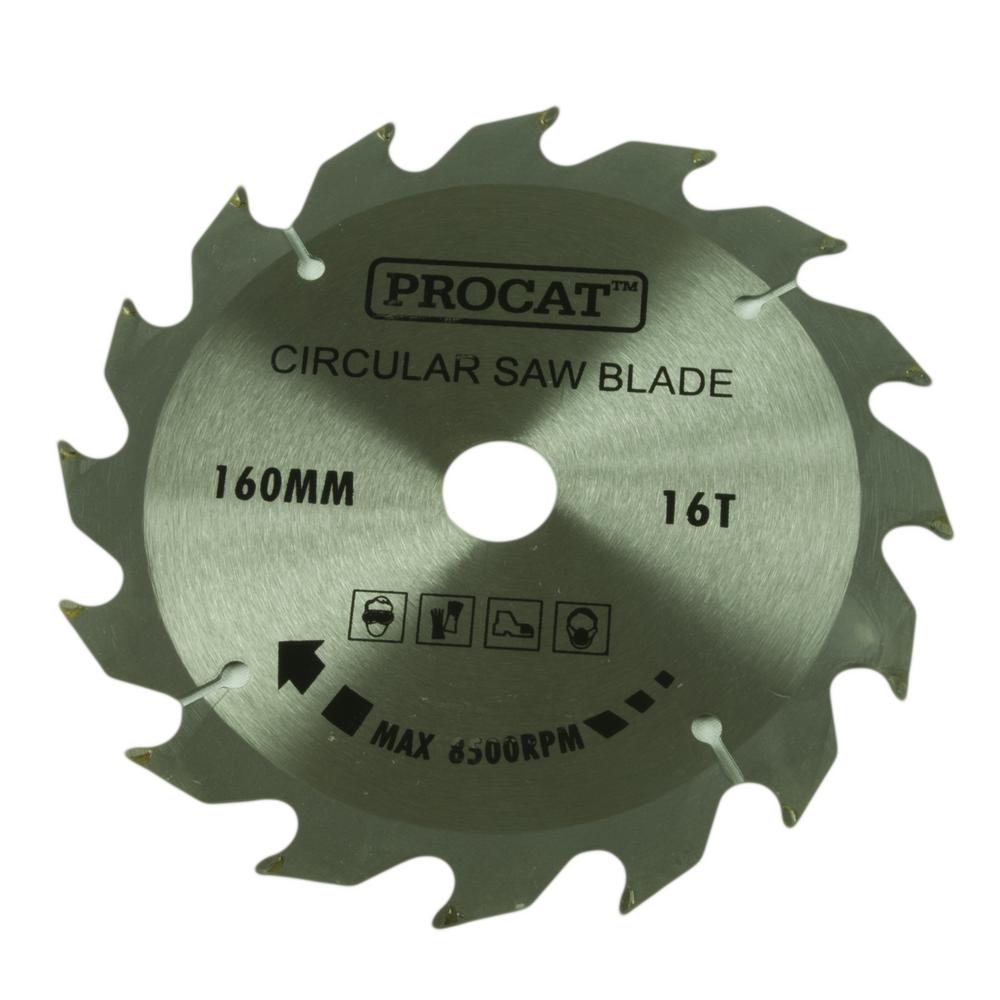


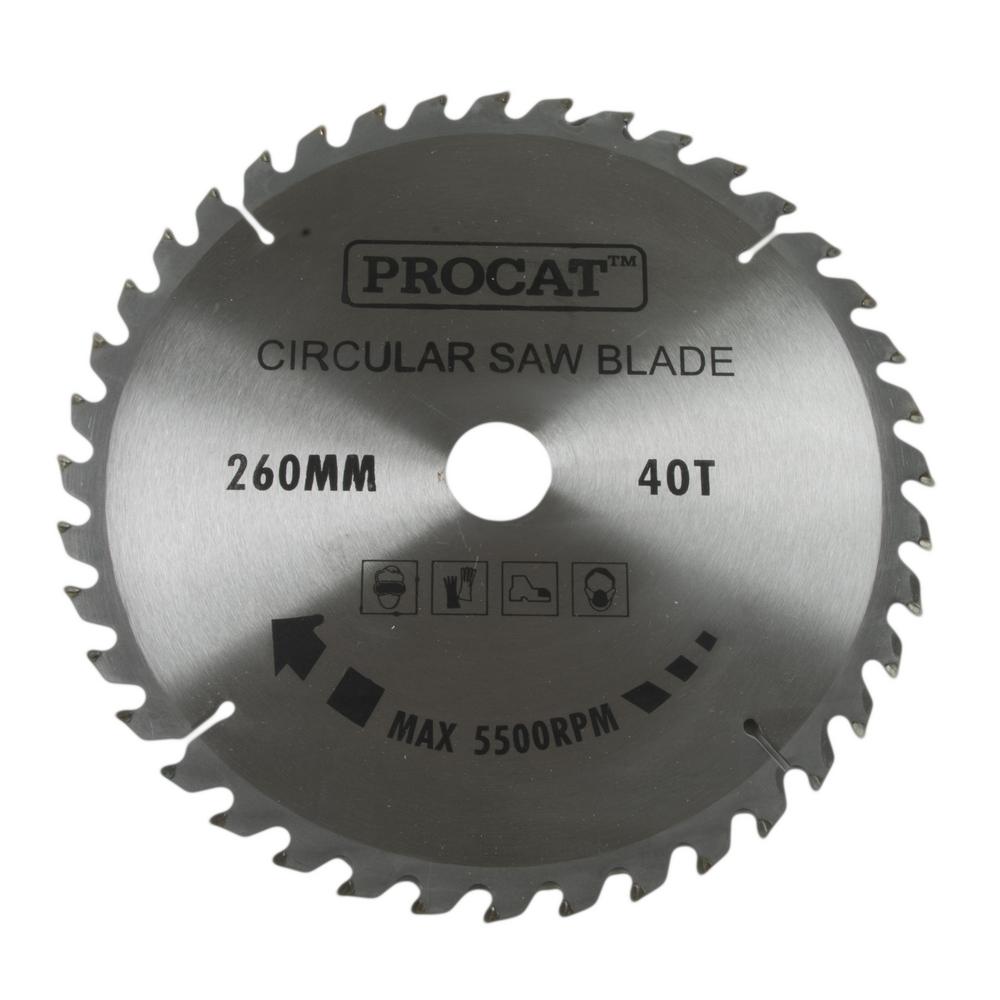



Description
The Procat circular saw blade is designed for accurate, efficient sawing in various wood materials. Its carefully designed teeth guarantee a clean cut, which makes it an excellent choice for demanding DIYers.
The high-quality materials used to make the blade ensure a long service life and durability. The optimal tooth profile reduces cutting resistance, which makes work easier and improves efficiency.
The Procat circular saw blade is compatible with many different circular saws, which adds to its versatility and range of uses. Please note that this blade does not include reducing rings.
Intended use:
-
Construction and renovation work: The Procat circular saw blade is excellent for construction and renovation projects that need accurate, clean cuts in wood. Its sharp teeth allow fast, accurate work, which saves time and effort.
-
Joinery: For hobbyists and DIY users working on all kinds of wood projects.
-
DIY projects: For home users who want to carry out their own projects, the Procat circular saw blade is a reliable, easy-to-use solution. Whether you are building shelves, installing a floor or doing other home improvement work.
Procat circular saw blade instructions for use:
1. Fitting and fixing
- Make sure your saw is compatible: Check that your circular saw supports the diameter and bore size of the chosen saw blade.
- Switch off the tool and unplug it: Before you start changing the saw blade, make sure your saw is switched off and disconnected from the mains (or the battery is removed).
- Remove the old blade: Use the spanner or locking mechanism supplied with the circular saw to release the blade.
- Fit the new Procat circular saw blade: Fit the blade the right way round; on most saws, an arrow shows the cutting direction.
- Tighten the blade fixing: Make sure the blade is firmly in place before use. If necessary, use a torque wrench to reach the recommended tightening torque.
2. Points to note during use
- Check the condition of the blade before use to make sure it has no damage such as chips or distortion.
- Protect your eyes and hands: Wear safety glasses, ear defenders and protective gloves.
- Keep the sawing area clear: Make sure there are no extra obstacles in the work area that could interfere with sawing.
- Keep your hands and body at a safe distance: Never push the material by hand too close to the rotating blade.
- Saw with an even movement: Do not force the saw into the material; let the blade cut at its own pace, avoiding unnecessary heating.
3. Maintenance and blade life
- Clean the blade regularly: Remove wood dust and resin with a suitable cleaning agent.
- Sharpen the blade when needed: A blunt blade reduces cutting efficiency and can leave a ragged cut. Use a professional sharpening service for the best result.
- Store in a dry place: Avoid damp and dusty storage conditions so that the blade does not rust or go blunt prematurely.
Using reducing rings with circular saw blades:
Reducing rings are small metal rings used to adapt the bore size of a circular saw blade to fit the saw arbor. They ensure that the blade is secure and safe when sawing.
Instructions for using reducing rings:
-
Choosing a suitable reducing ring: Measure the diameter of the saw arbor and choose a reducing ring to fit it. Make sure the ring fits tightly both in the centre hole of the blade and on the saw arbor.
-
Fitting the reducing ring: Place the reducing ring in the centre hole of the circular saw blade so that it sits evenly. Make sure there is no play or looseness in the ring.
-
Fitting the blade to the saw: Once the reducing ring is in place, fit the blade to the saw according to the manufacturer’s instructions. Tighten the blade firmly, but avoid excessive force so that you do not damage the blade or the saw.
-
Safety check: Before starting to saw, make sure the blade is firmly fixed and does not wobble. Start the saw and let it run for a moment without load to check that everything works properly.
Please note that the Procat circular saw blade does not include reducing rings, so they must be purchased separately as needed.
How to choose the right circular saw blade
Choosing the right circular saw blade depends on several factors, such as the material, cutting accuracy and compatibility with the circular saw. The main things to consider are below:
- Blade diameter and bore
- Your circular saw determines the maximum permitted blade diameter. Also make sure the bore matches the size of the saw arbor, or use reducing rings as needed.
- Tooth profile and toothing
- Different tooth profiles affect the cut and the efficiency. For example:
- Blades with ATB (Alternate Top Bevel) teeth are ideal for sawing wood.
- Blades with TCG (Triple Chip Grind) teeth are suitable for hard materials such as aluminium and laminate.
- Blades with FTG (Flat Top Grind) teeth are particularly suitable for rip sawing.
- Different tooth profiles affect the cut and the efficiency. For example:
- Number of teeth
- The more teeth the blade has, the cleaner the cut. For example:
- Coarse-toothed blades (10–24 teeth) are suitable for fast sawing and ripping.
- Fine-toothed blades (40–80 teeth) give a cleaner cut and are suitable for finishing cuts.
- The more teeth the blade has, the cleaner the cut. For example:
- Coating and material
- Carbide-tipped blades last longer and give better cutting performance.
- A Teflon coating can reduce friction and stop resin sticking to the blade.
Why choose the Procat circular saw blade
When comparing different circular saw blades, Procat offers several advantages:
- Accurate cut
The optimised toothing ensures a clean cut in different wood materials. - Long service life
High-quality materials and hardened teeth extend the life of the blade. - Lower cutting resistance
Designed to minimise friction, which makes sawing easier and spares the motor of the tool. - Compatibility
Fits most circular saws without extra adapters.
Warnings
- Always wear suitable personal protective equipment (safety glasses, ear defenders, protective gloves).
- Make sure the saw blade is properly fixed before starting.
- Do not use a damaged or blunt blade.
- When sawing, make sure the workpiece is firmly clamped and avoid kickback.
Frequently asked questions (FAQ)
1. What types of materials is the Procat circular saw blade suitable for?
Procat blades are designed especially for sawing wood, but they are also suitable for plywood and chipboard.
2. Is it difficult to fit the blade?
No, the Procat circular saw blade can be fitted using the standard method, but make sure the centre hole fits the saw.
3. Do I need reducing rings with this blade?
No, this blade does not include reducing rings and does not need them if the bore matches the saw arbor.
4. How long does the blade last?The life depends on how intensively it is used, but high-quality materials and careful maintenance extend its life considerably.