

Description
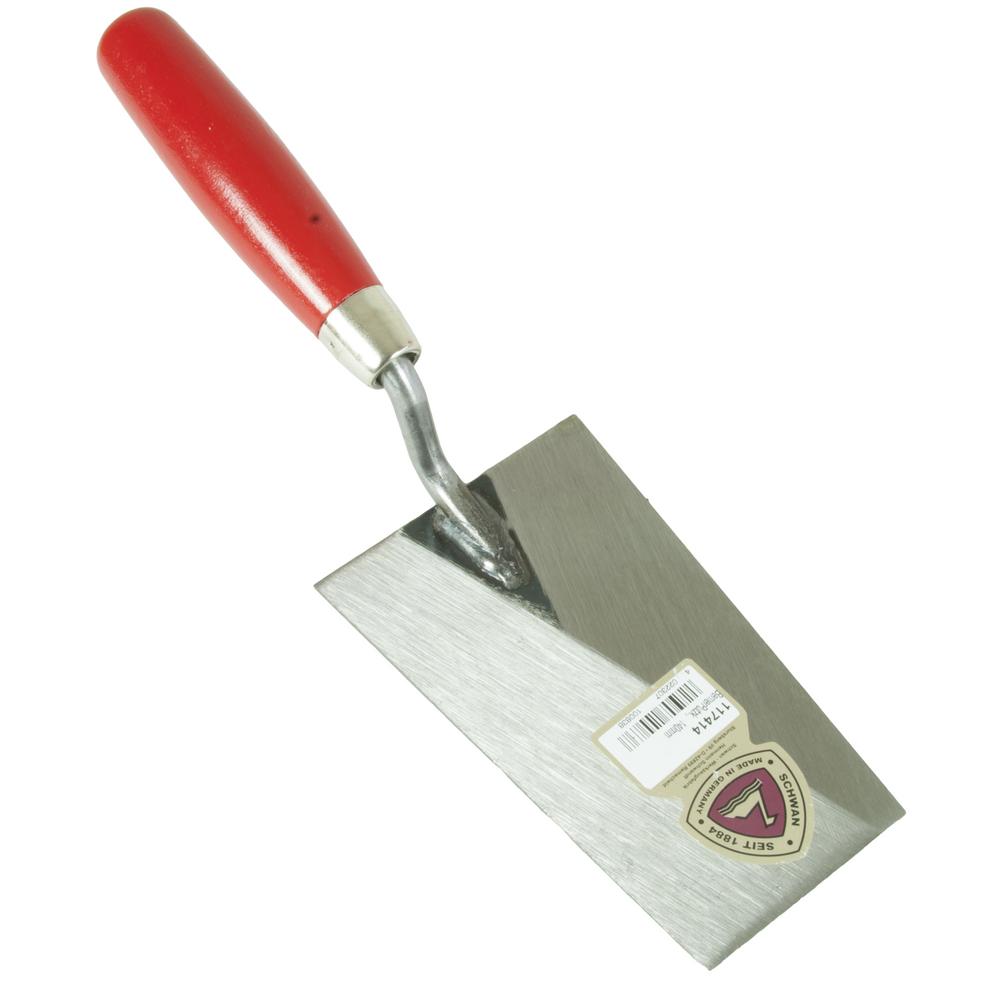
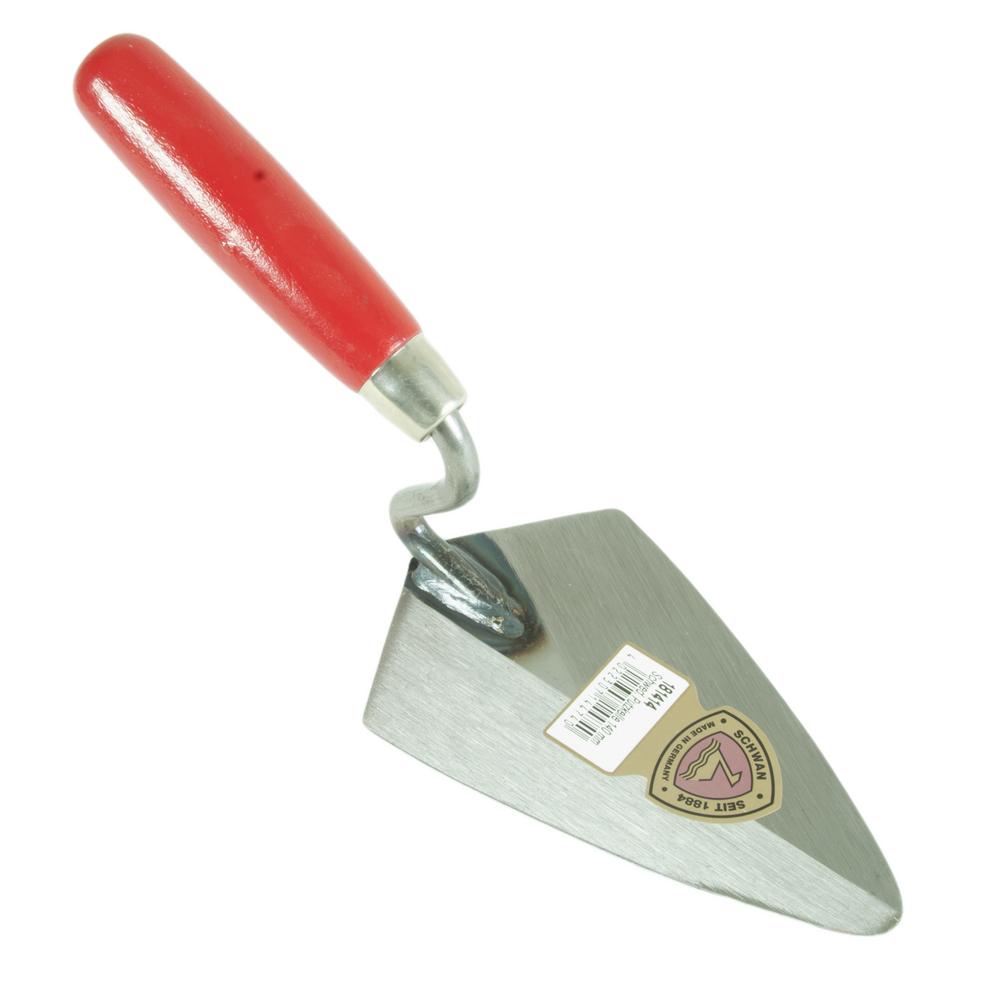
The Schwan plastering trowel is an essential hand tool designed for manual handling and spreading of building materials such as mortars, levelling compounds and render. The tool is built to withstand the demands of the site environment. Its key part is a strong steel blade, which lets you move and spread even heavier compounds onto the substrate. The material properties of the steel make it suitable for handling even coarse mortars without excessive wear.
The structural integrity of the tool is ensured by a welded joint between the blade and the handle shank. This fixing method creates a very strong bond at the most critical stress point of the tool, which stops the blade from coming off or the joint from loosening even under strong twisting or pressure. A welded construction is a typical solution for tools that need to be long-lasting and reliable in daily use.
For comfort and control, the plastering trowel has a traditional wooden handle. Wood gives a natural, warm grip that does not feel slippery even in damp conditions or when your hands sweat. The handle is shaped to sit in the hand, which allows precise work and reduces strain on the hand during long spreading sessions.
Intended use:
- Rendering and levelling work: The plastering trowel is used mainly to “throw” or spread render mortar or wall levelling compound onto the surface before final levelling with a straightedge or float. The shape and steel material of the trowel let you lift a suitable amount of compound from the mortar tub and transfer it efficiently to wall or ceiling surfaces.
- Masonry and repair work: Although nominally a plastering trowel, its construction is also excellent for general masonry work. It can be used to spread mortar on bricks or blocks and to patch various holes and damage in repair work, where precise dosing of mortar into smaller areas is needed.
Package contents:
- 1 pcs Schwan plastering trowel with wooden handle
Features:
- Steel blade: A durable choice of material, suitable for coarse and abrasive mortars and levelling compounds.
- Welded construction: The joint between the blade and the shank is welded, which makes the construction one piece and resistant to stress.
- Wooden handle: Gives an ergonomic, secure and comfortable grip in different working conditions.
- Versatility: Thanks to its shape, suitable for many kinds of mortar spreading and transfer tasks.
Technical specifications:
- Blade material: Steel
- Handle material: Wood
- Joining method: Welded
- Type: Plastering trowel
Schwan plastering trowel instructions for use:
Getting started and use: Before use, make sure the trowel is intact and clean. Mix the mortar or levelling compound to the consistency given in the manufacturer’s instructions. Pick up a suitable amount of compound from the container with the trowel. Spread the compound on the surface with a wrist movement (“throwing”) or by smoothing, depending on the material and the result you want. Use the edges of the trowel to roughly level the compound if needed.
Cleaning and maintenance: To ensure a long service life, clean the tool immediately after use, before the mortar or compound has time to dry onto the steel surface. Wash the trowel with water and a brush. Dry the steel part carefully after washing to prevent rust, as it is steel (not stainless steel). The wooden handle can be treated with wood preservative oil if needed to keep it in good condition. Store the tool in a dry place.
Warnings:
- Sharp edges: The edges of the steel trowel can be sharp. Take care when handling the tool and wear protective gloves if needed.
- Ergonomics: Continuous handling of heavy mortar compounds can strain the wrist and hand. Take breaks and pay attention to working ergonomics.
- Chemicals: The mortars and levelling compounds used can be irritating or corrosive to the skin. Always follow the material manufacturer’s safety data sheets and use suitable personal protective equipment (gloves, safety glasses).
Frequently asked questions (FAQ):
Does this plastering trowel rust?
Yes, the blade of the trowel is made of steel, which can rust if it is left damp. It is important to clean and dry the trowel carefully after every use.
Why is a wooden handle better than a plastic handle?
The handle material is largely a matter of taste, but many users prefer a wooden handle for its feel. Wood absorbs some moisture from the hands, so the grip does not become as slippery as with a plastic handle, and it feels warmer in cold conditions.
Is this trowel also suitable for masonry?
Yes, although it is called a plastering trowel, its shape and durability make it an excellent tool for general masonry work and moving mortar too.
Recycling instructions:
At the end of its life, dispose of the product properly. As the product has metal and wooden parts joined together, it can usually be put into metal recycling, where the materials are separated during the process. Always check the local waste management regulations.