

Description
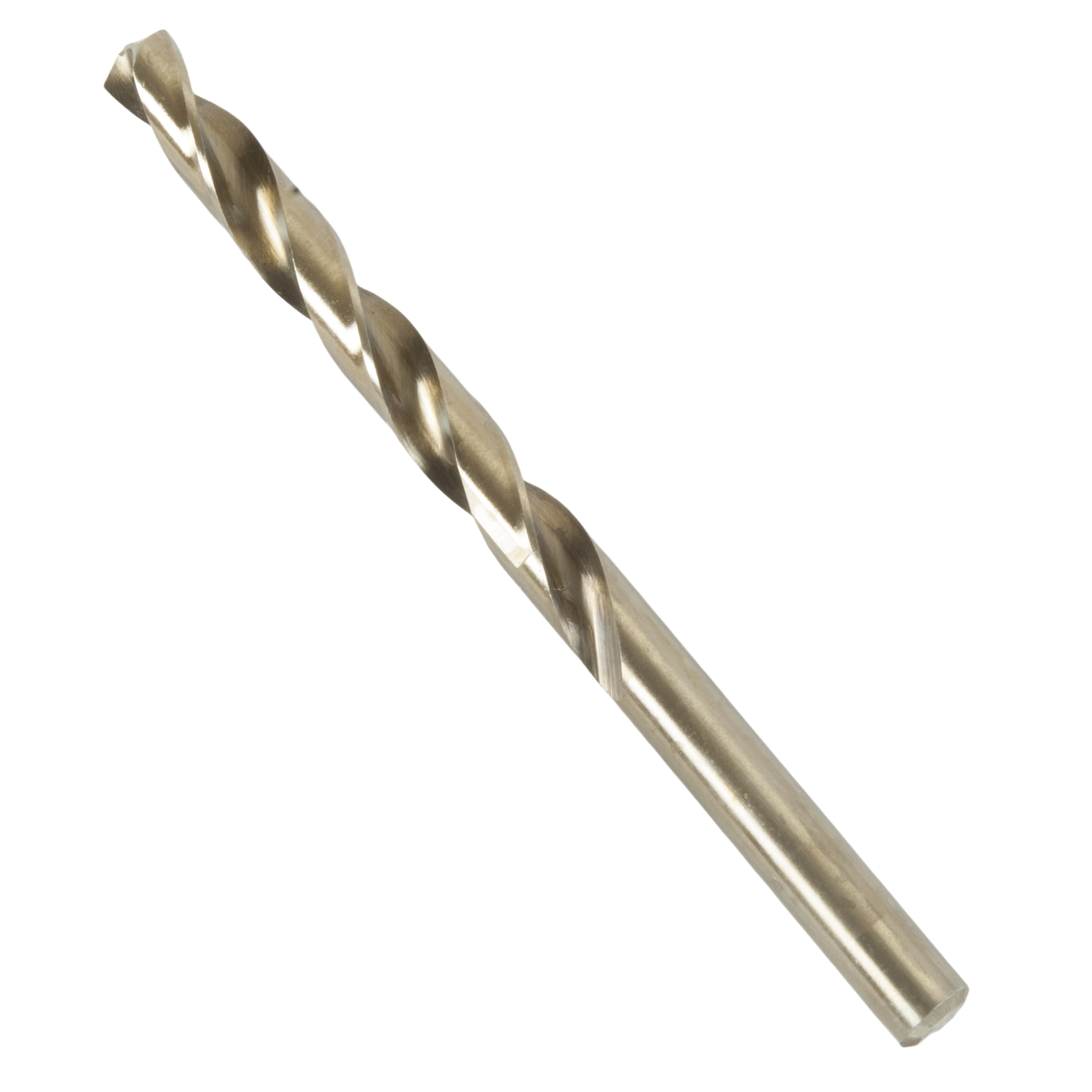
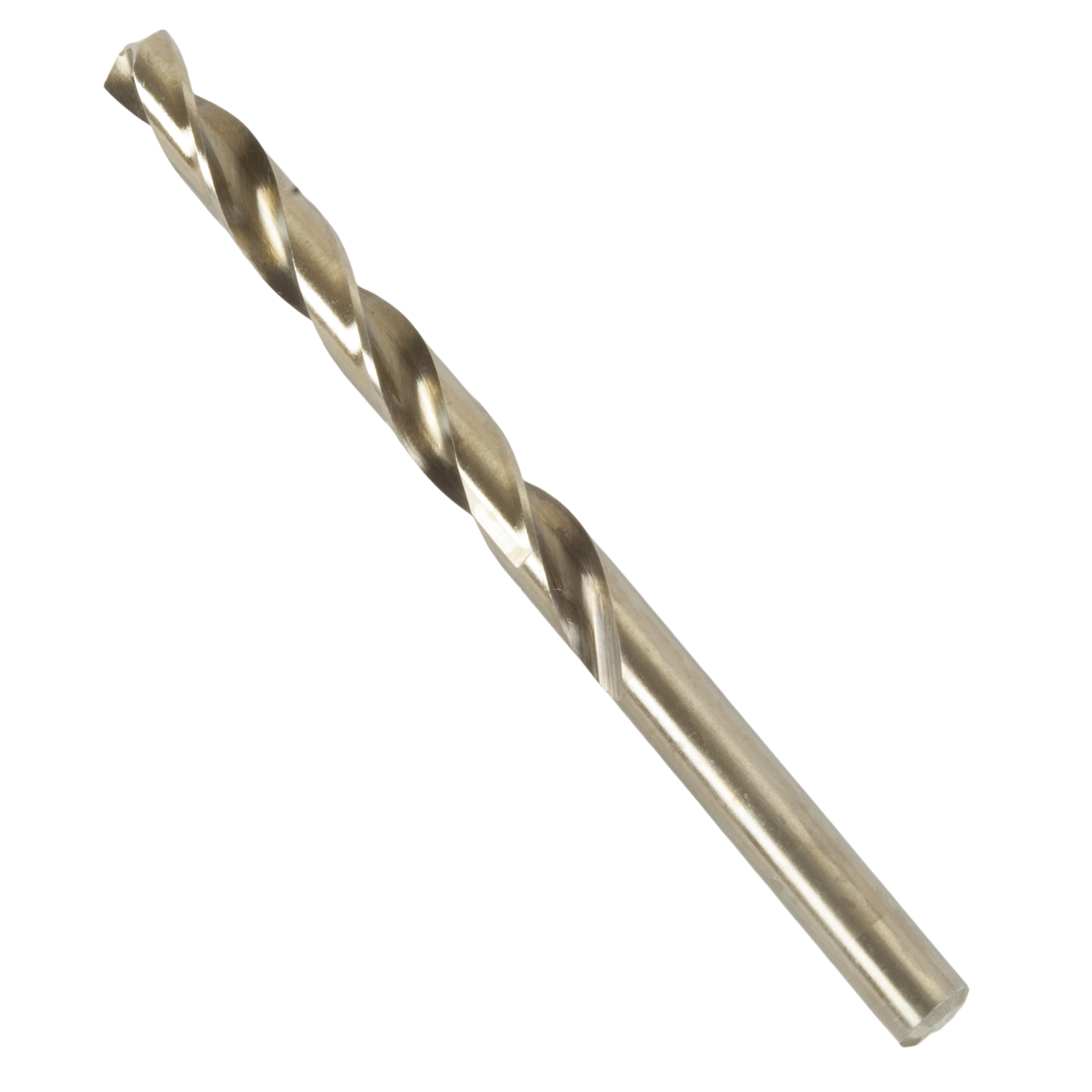
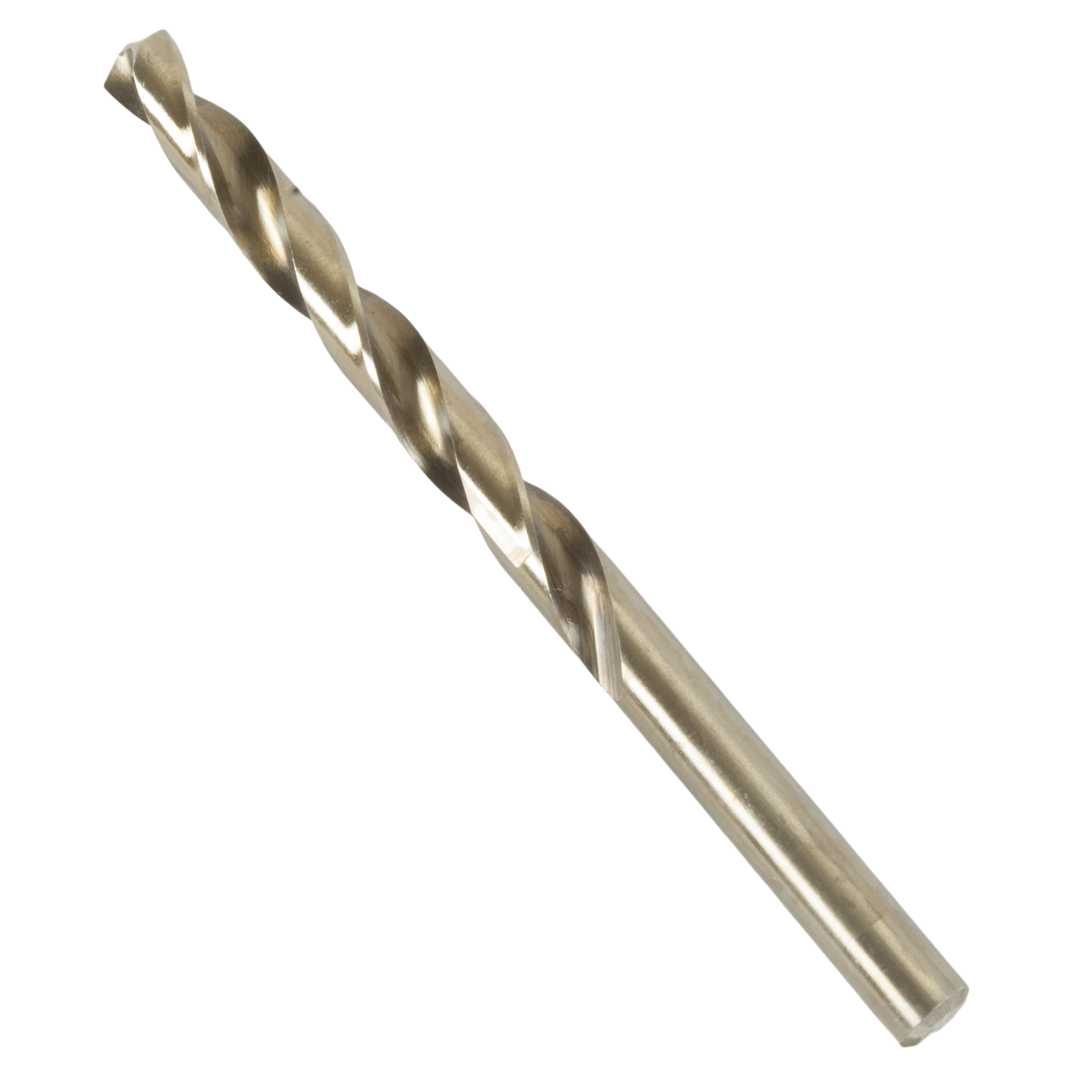
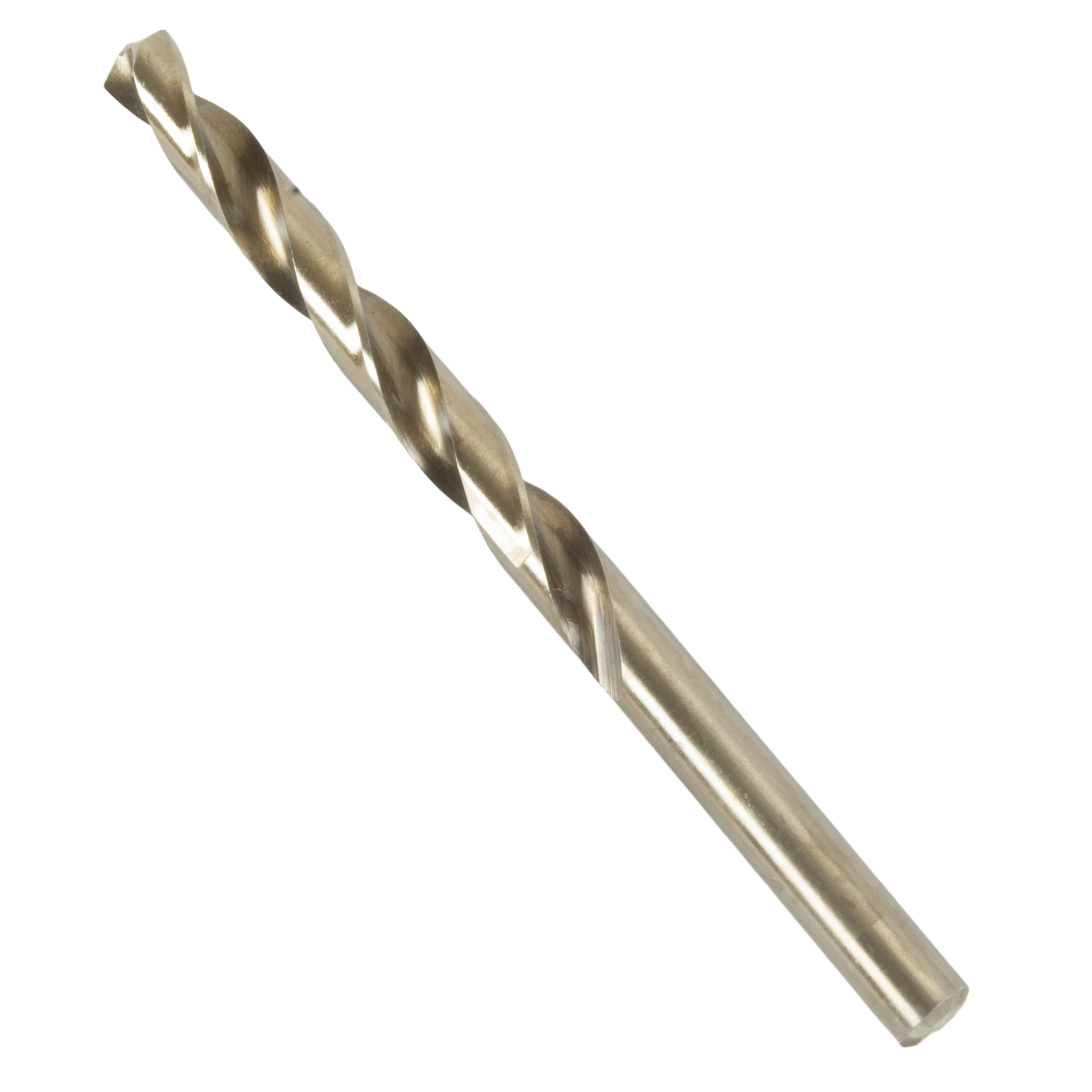
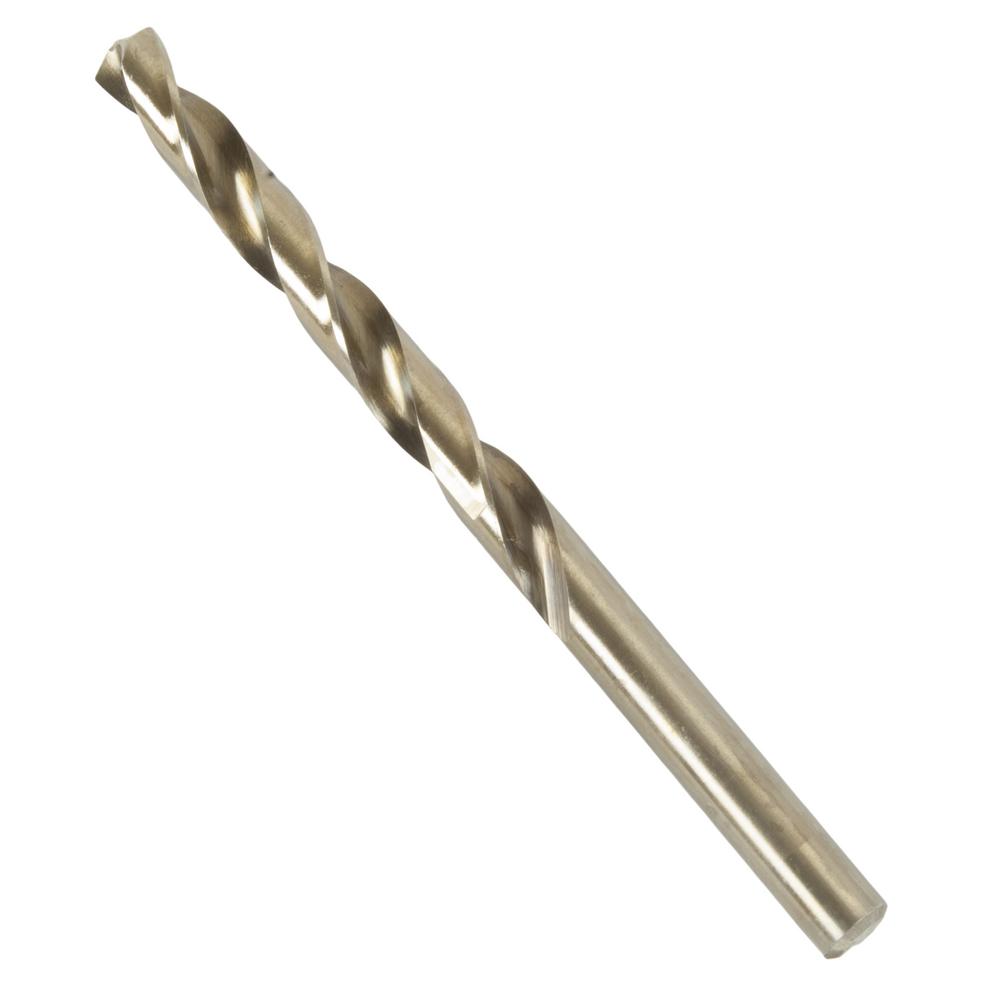
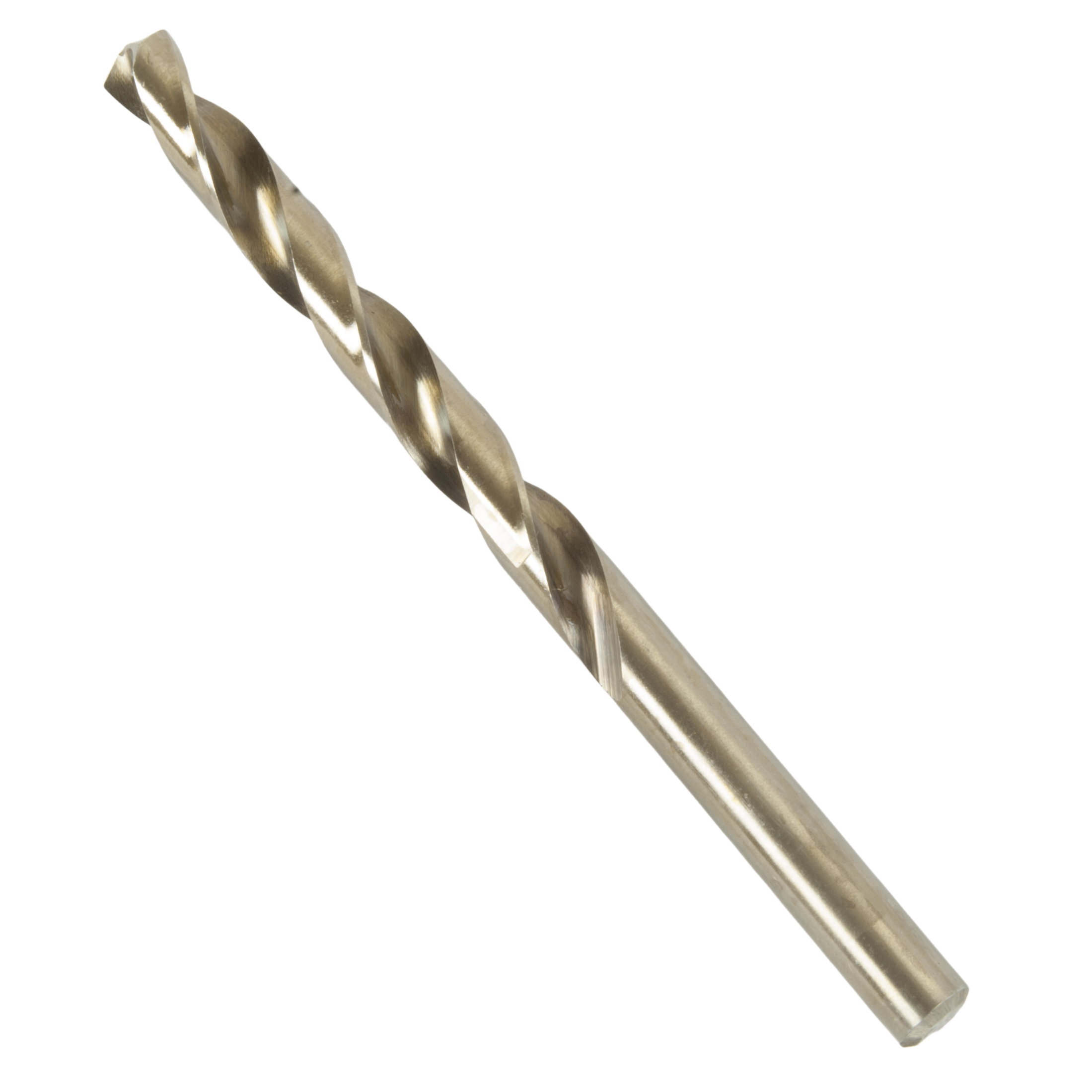
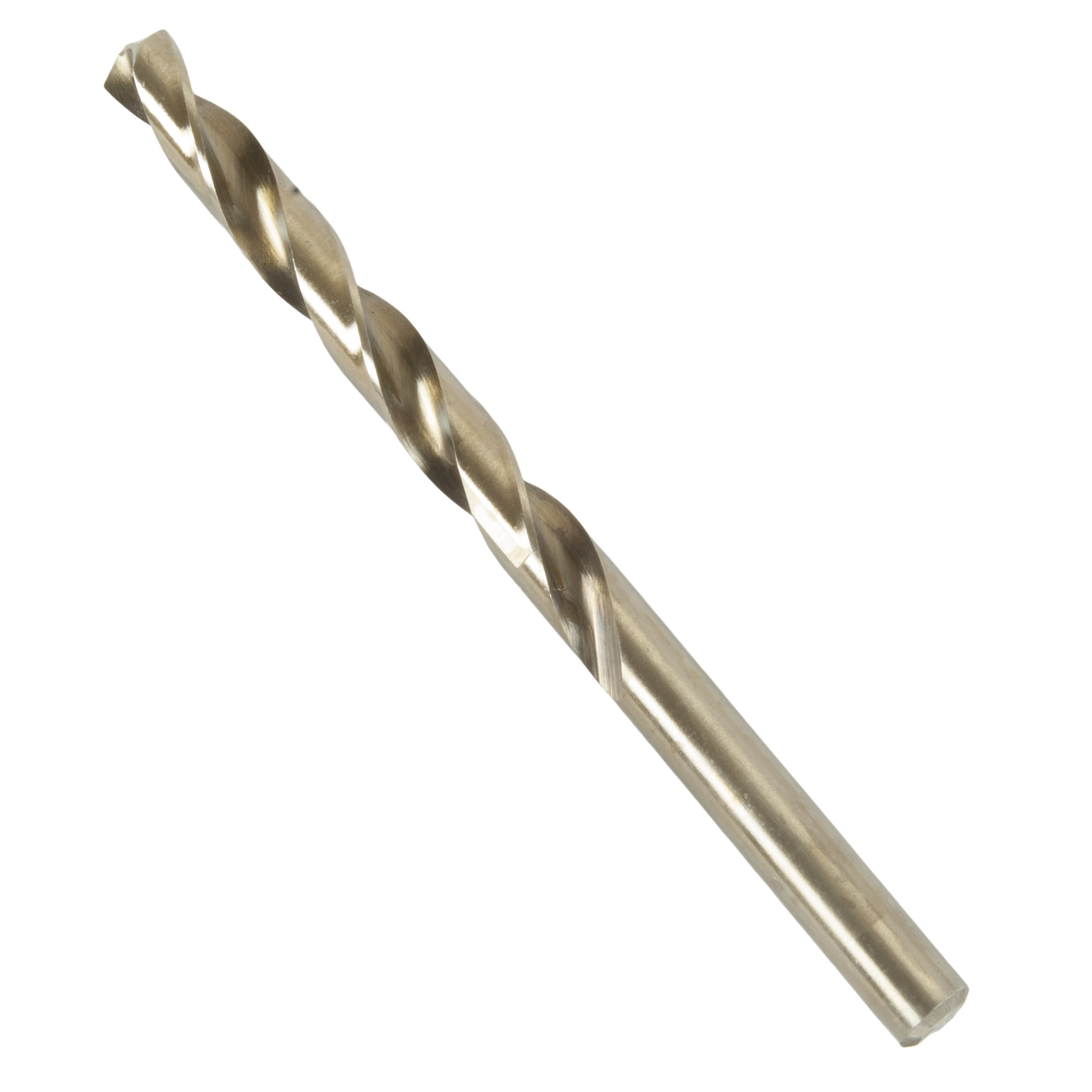
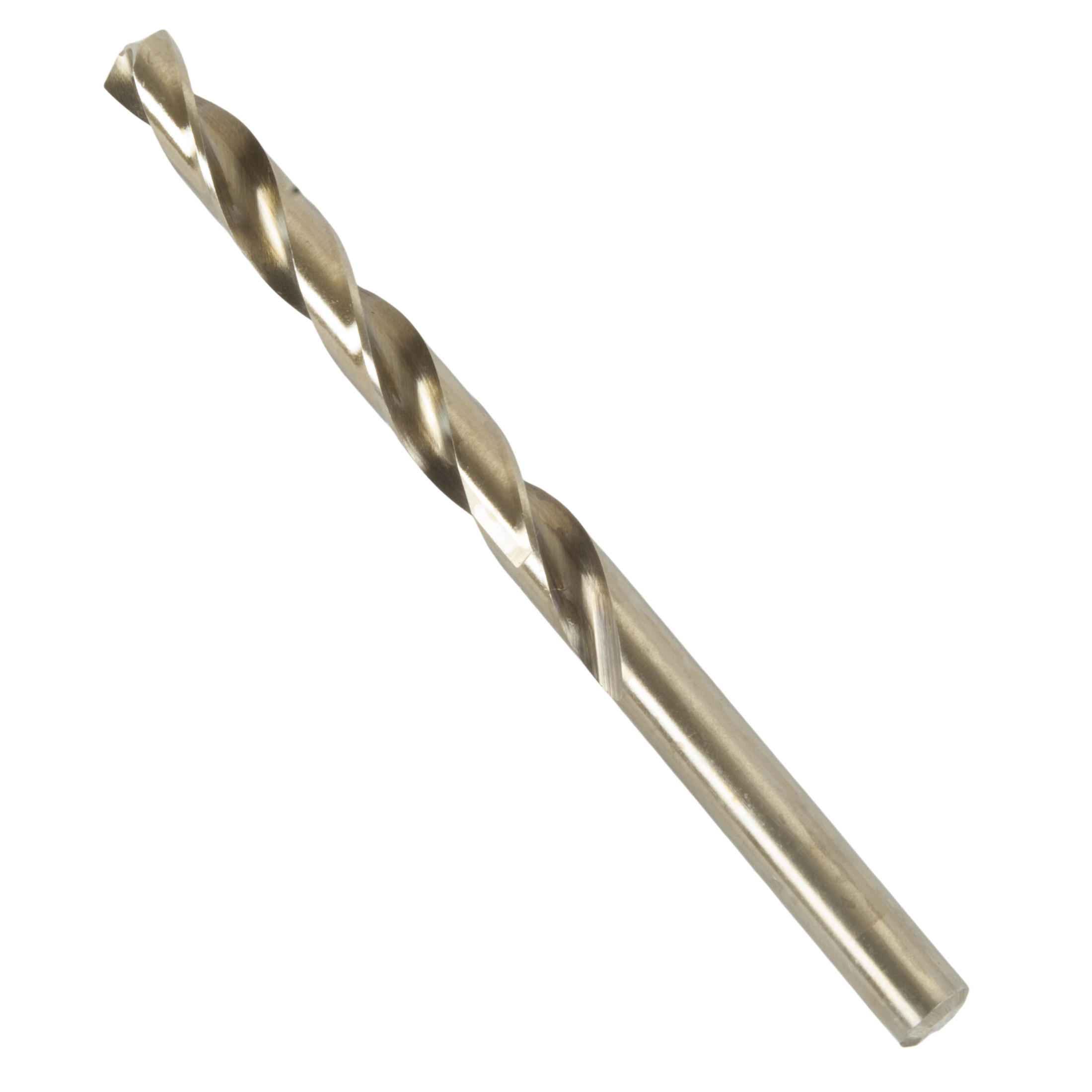
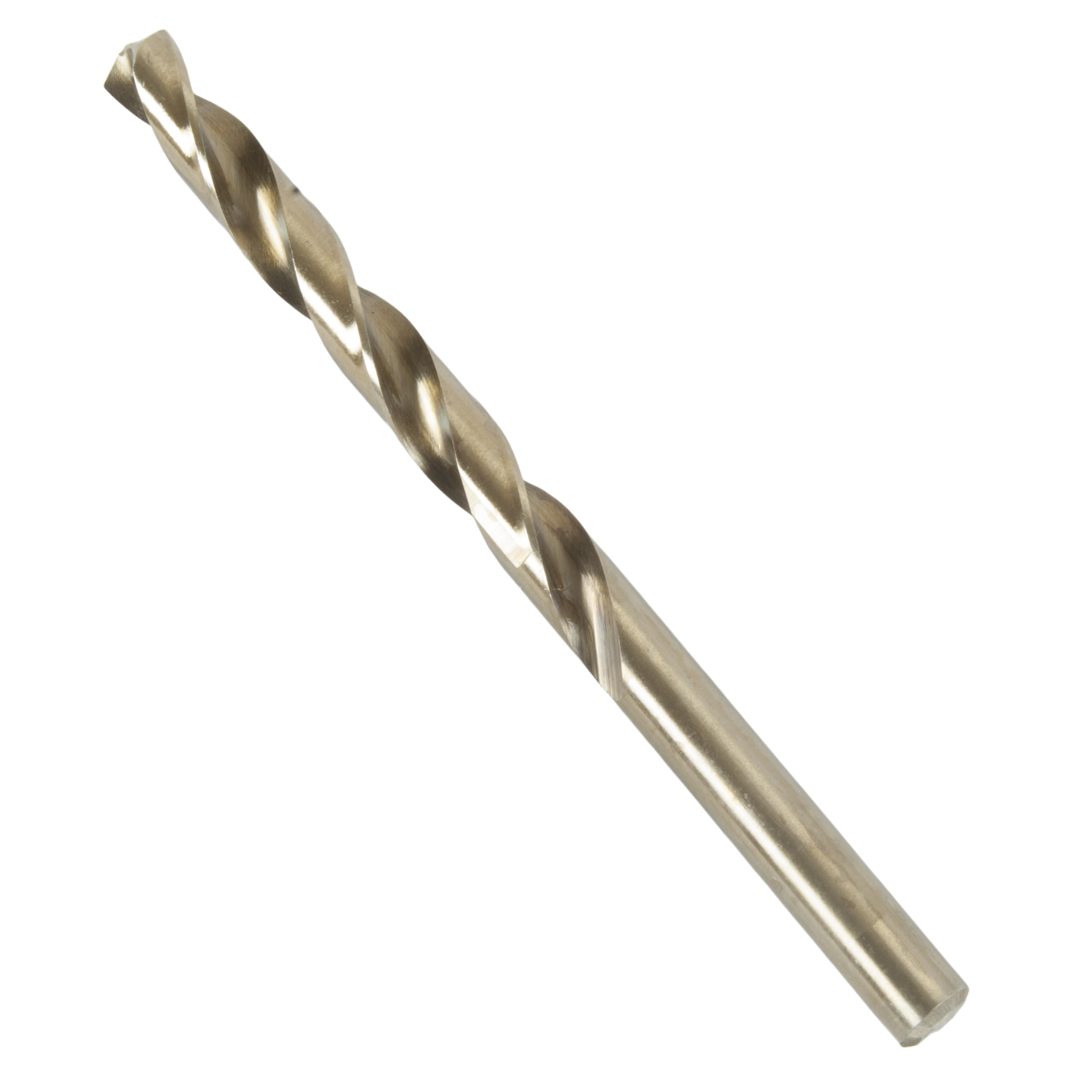
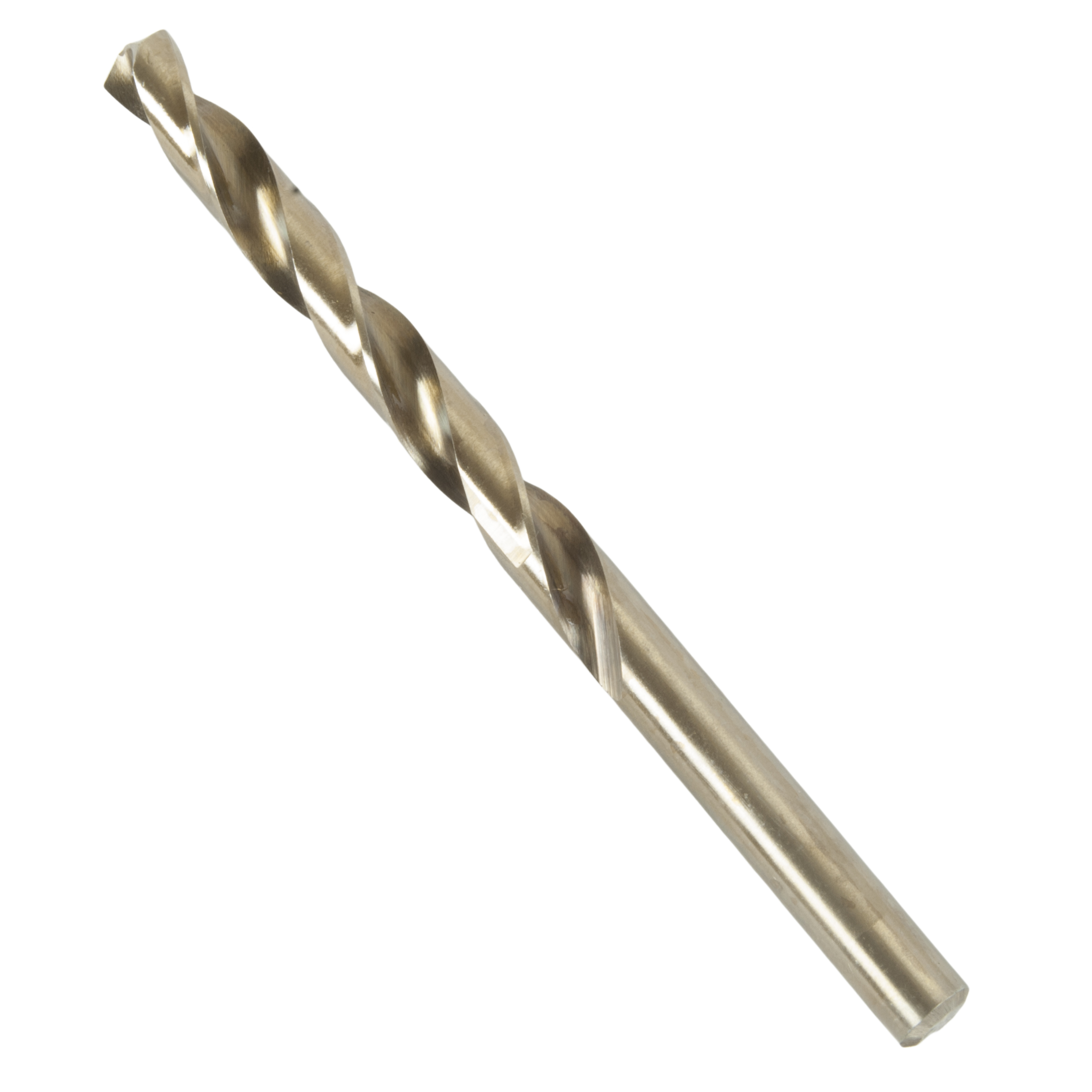
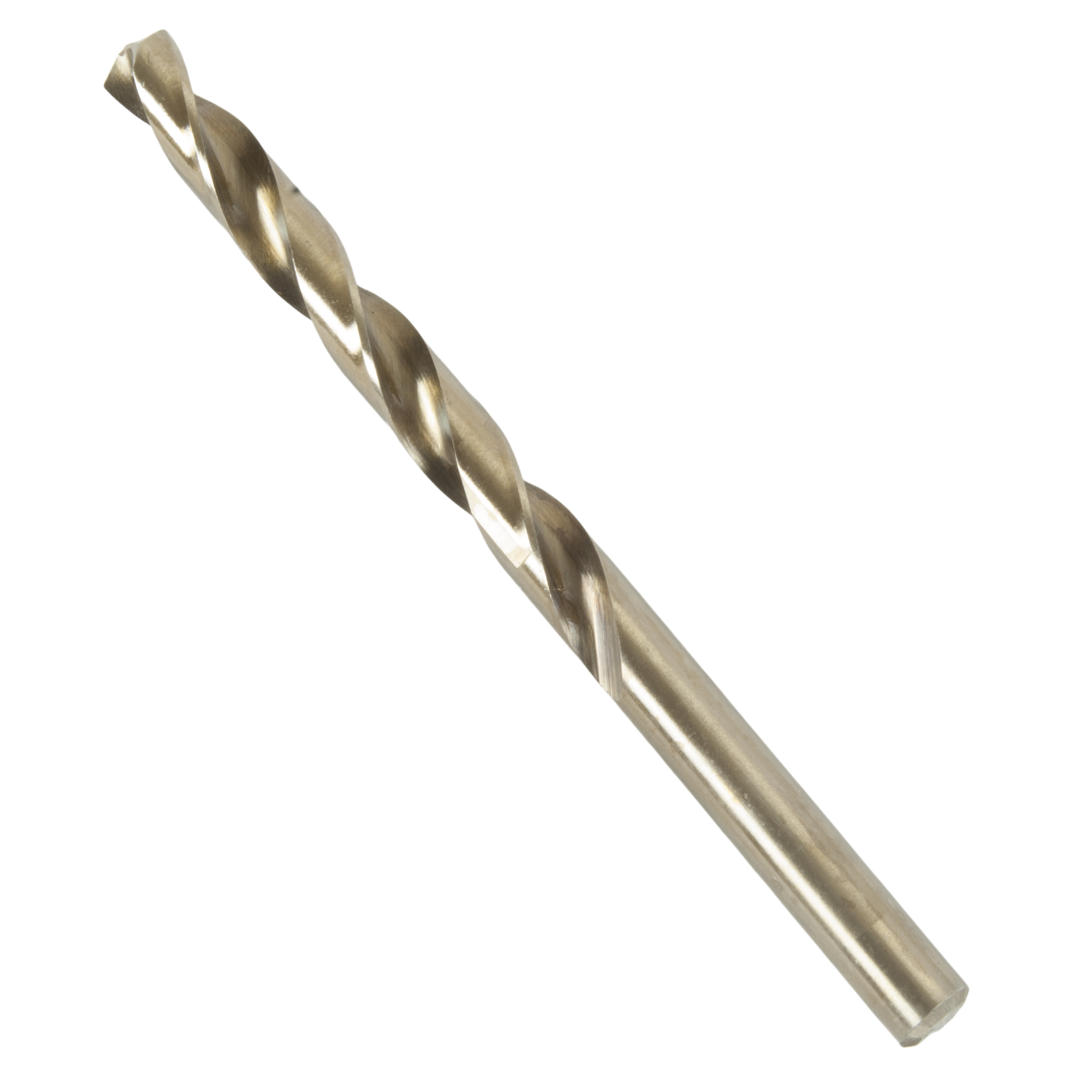
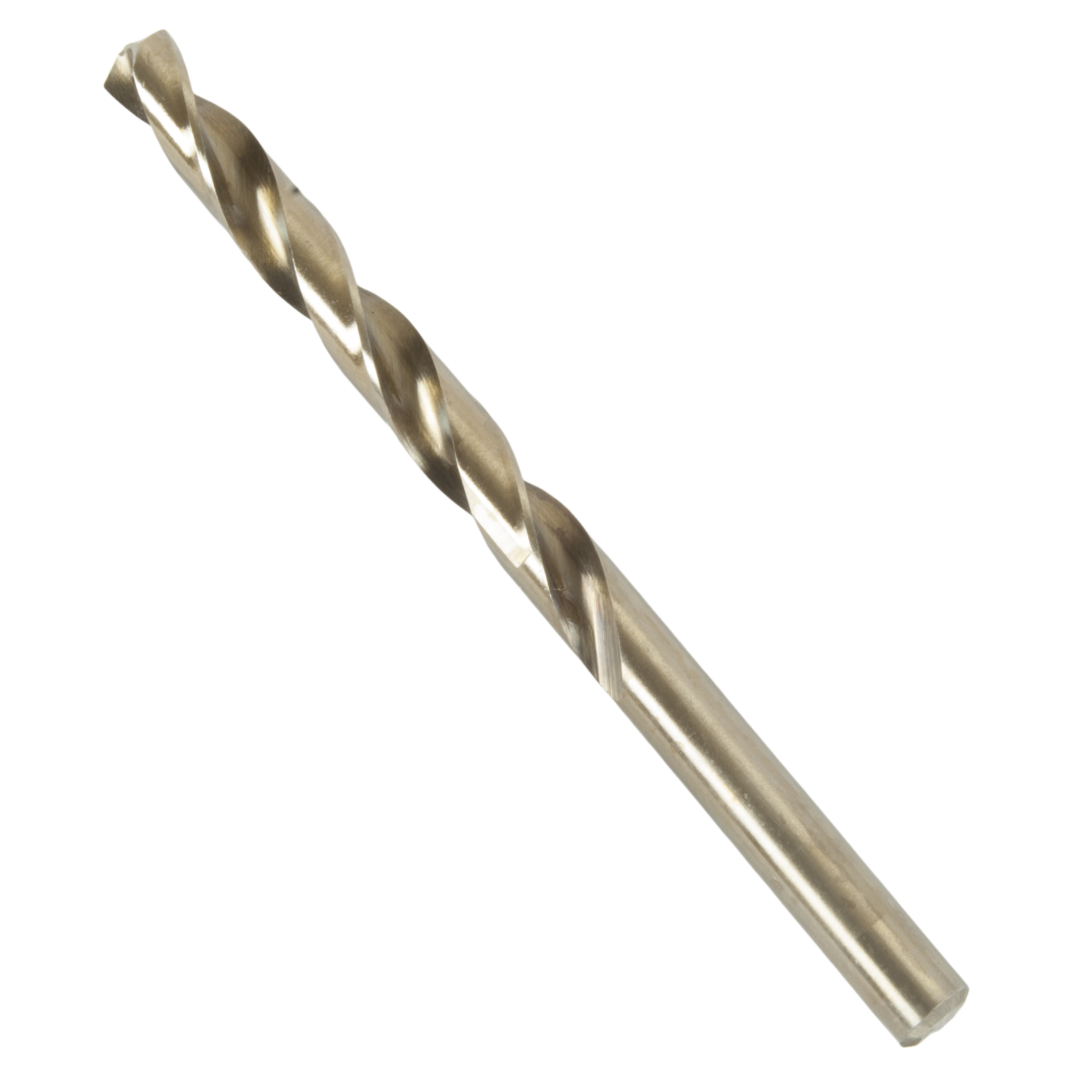
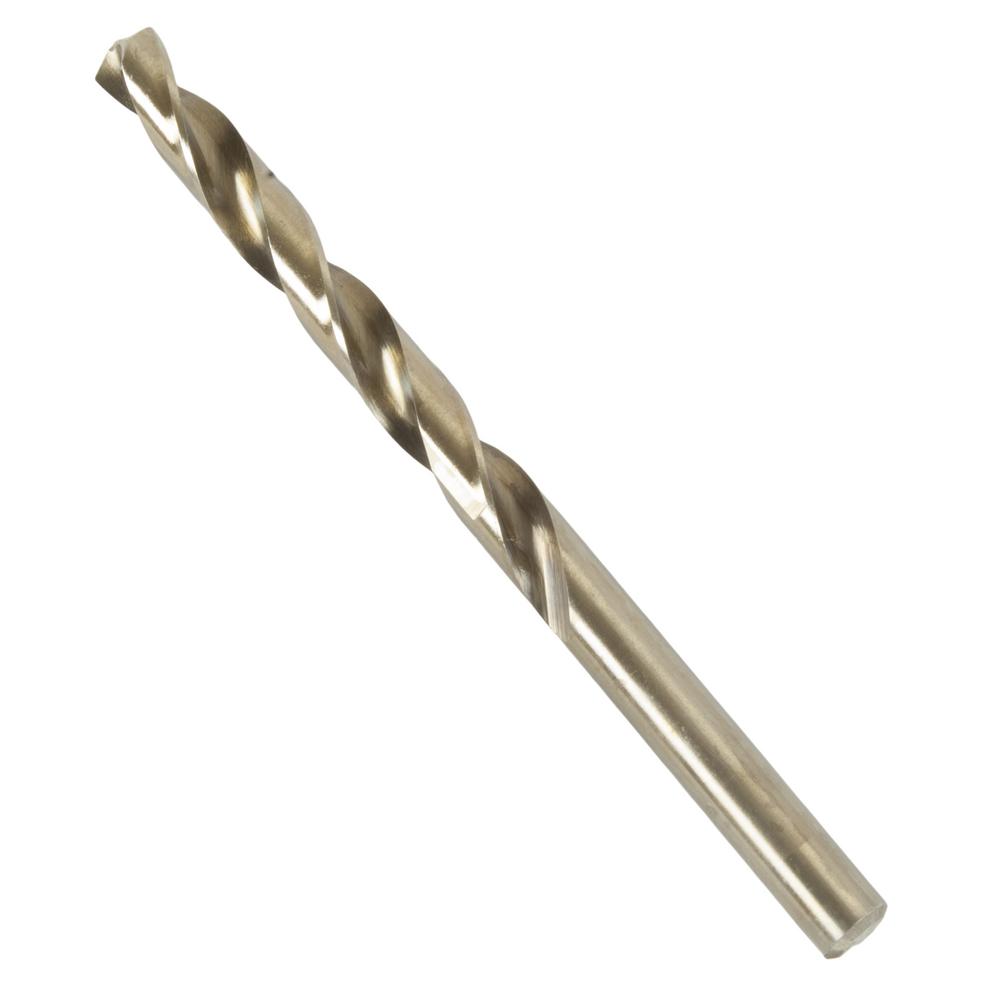
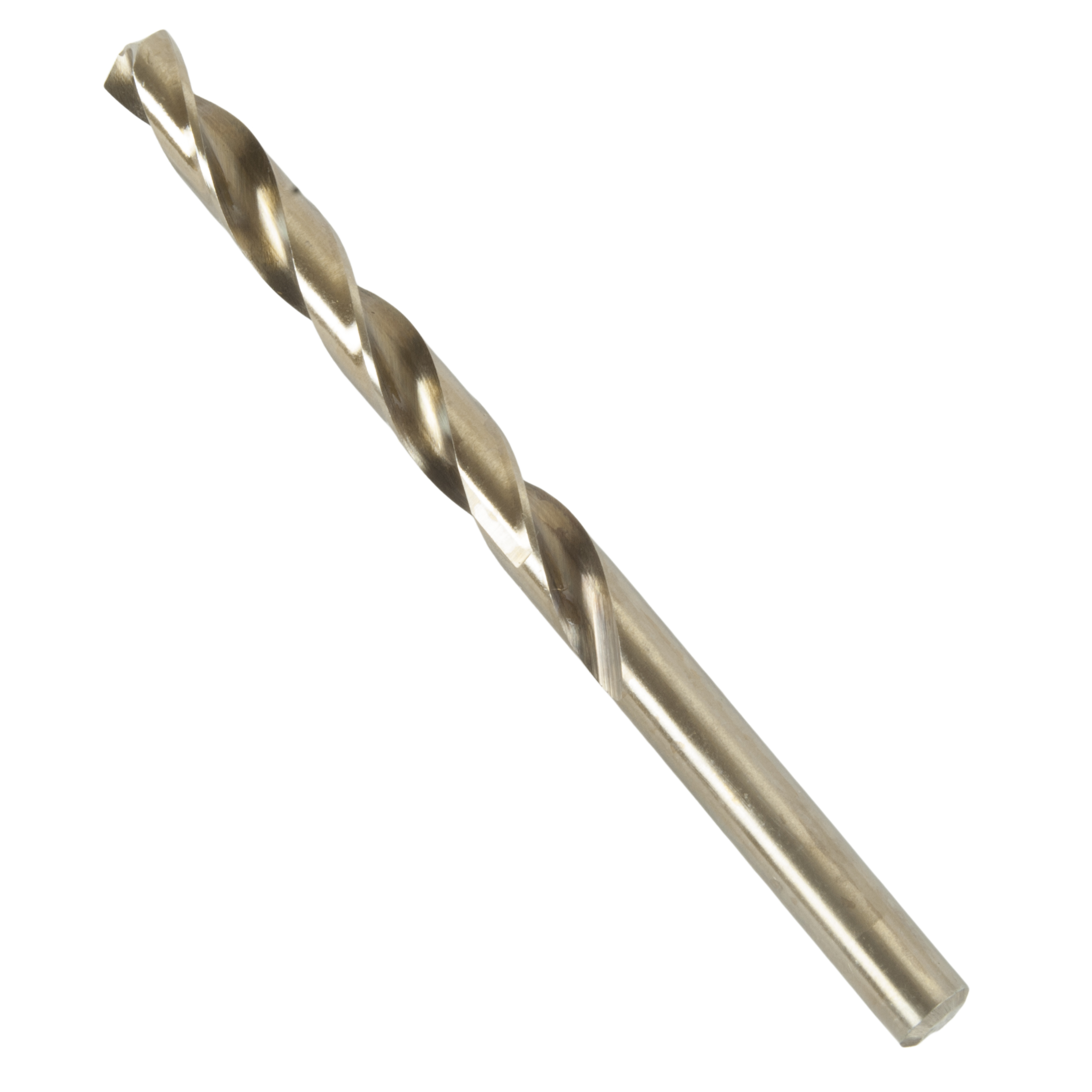
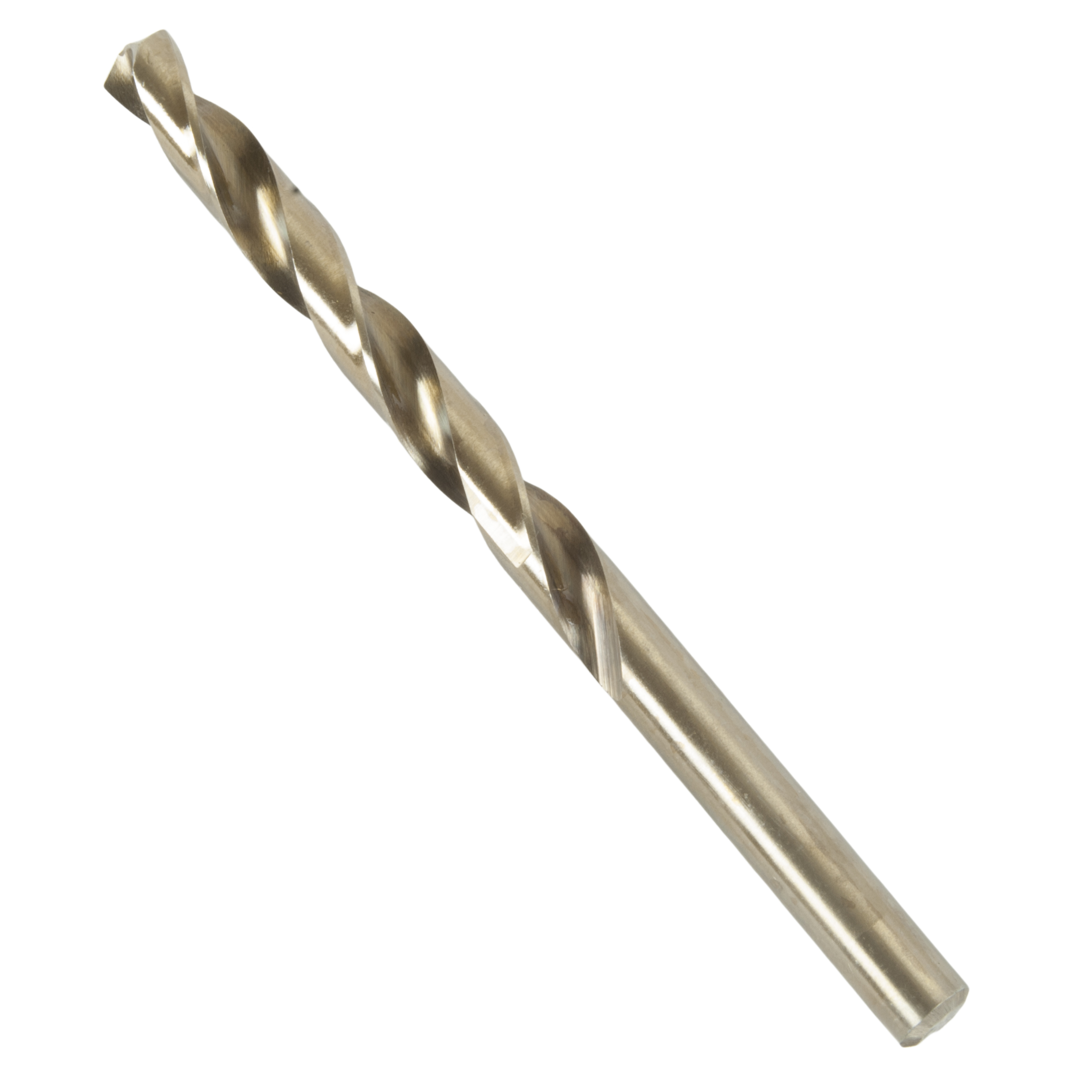
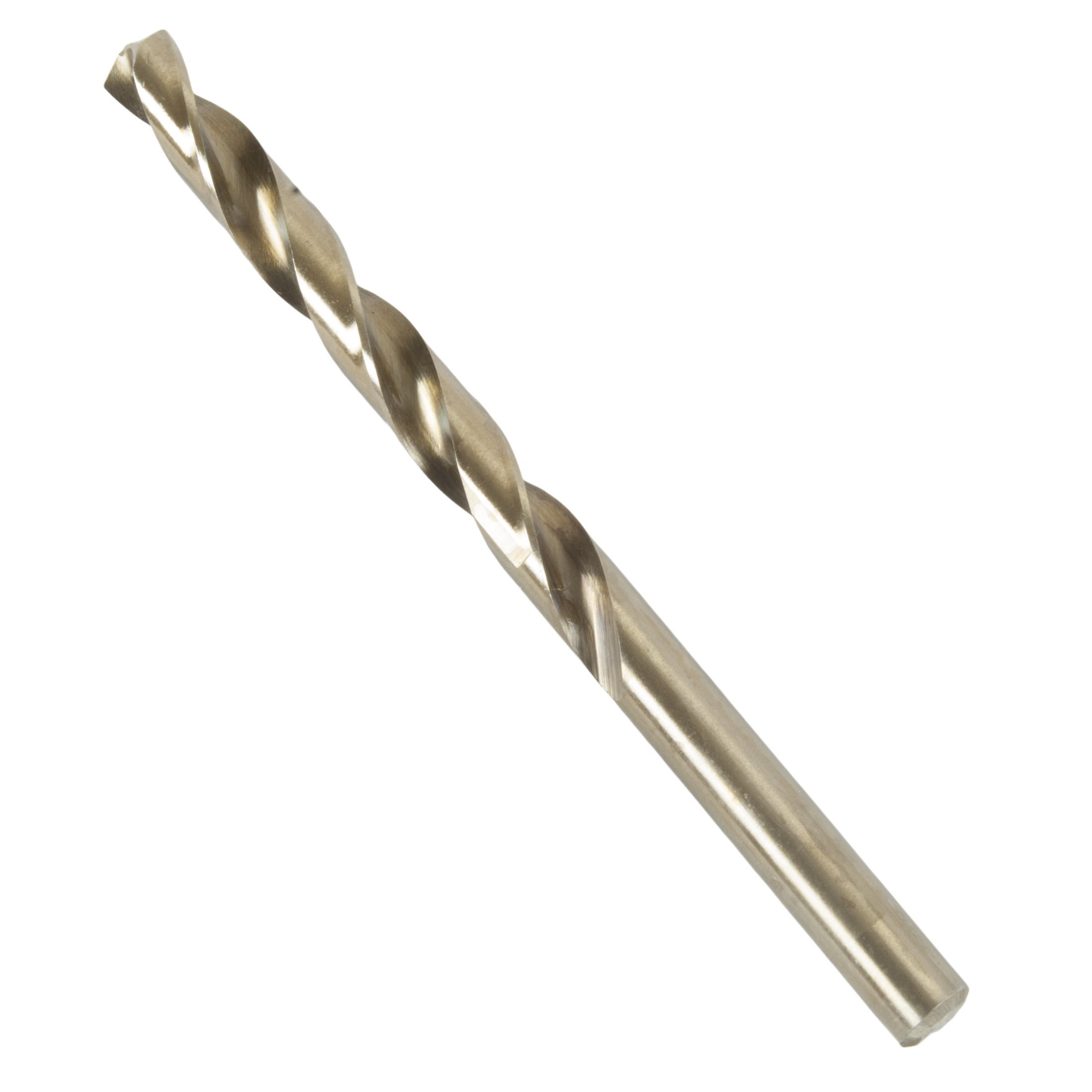
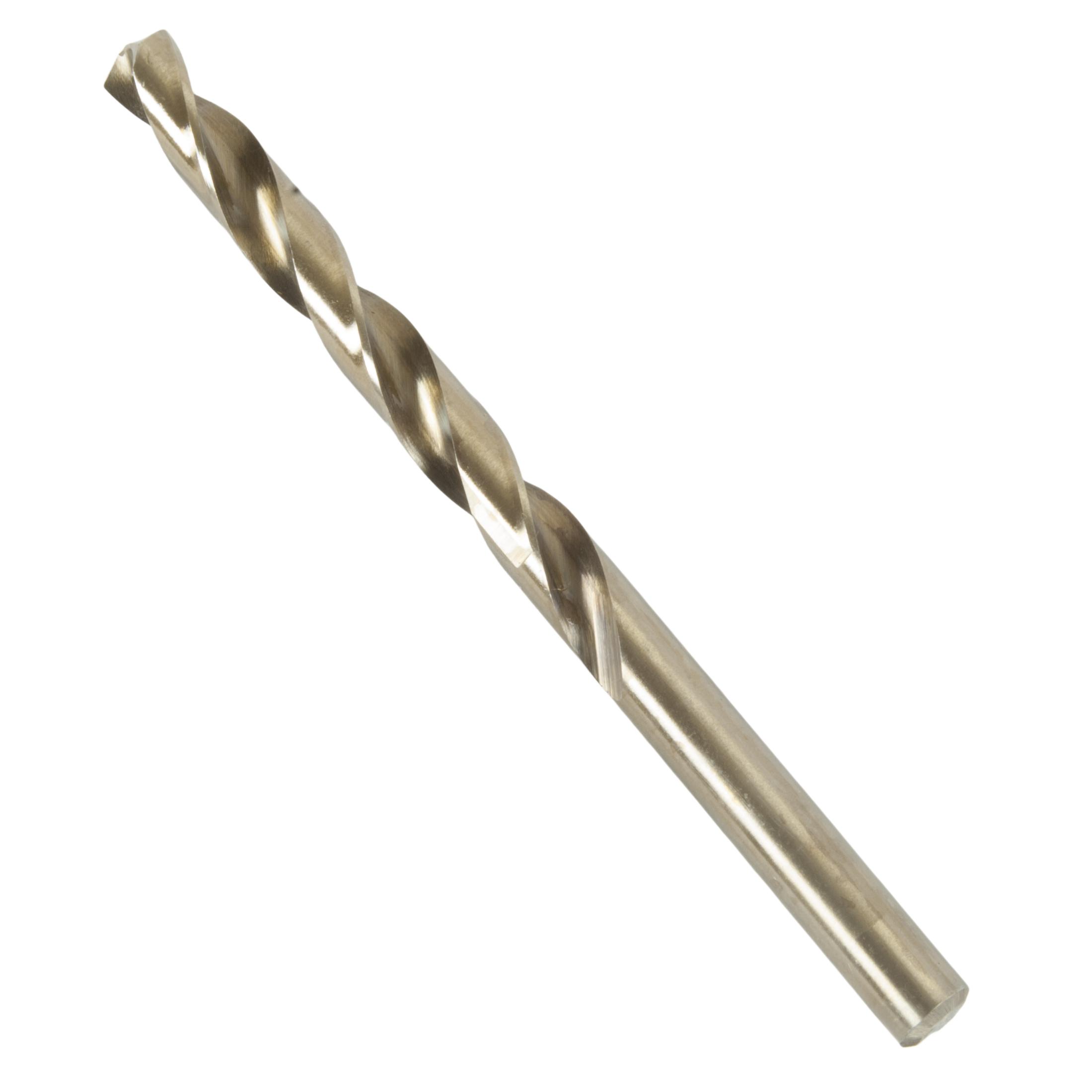
The Irwin HSS Cobalt (HSS-E) metal drill bit is developed especially for machining demanding, tough and hard metal alloys, where traditional high-speed steel (HSS) bits quickly lose their cutting performance because of heat build-up. The bit is made of high-quality high-speed steel alloyed with 5 per cent cobalt (Co). This alloying significantly improves the red hardness of the tool, which allows drilling at high speeds and machining temperatures without the steel structure softening or the cutting edge going blunt prematurely.
The tip of the bit has a 135-degree split point grind (split point, DIN 1412 C), which allows an accurate start without a centre-punch mark. The split point reduces the axial feed force needed and stops the bit wandering on round or sloping surfaces. The split point also cuts material with its core, which improves chip formation and lowers the machining temperature right from the start of the operation.
The type N spiral geometry of the flute and the precisely ground groove ensure optimal chip removal even from deep holes. As the materials being machined (such as stainless and acid-resistant steel) are tough, effective chip breaking and removal from the hole stops the bit from jamming and reduces work hardening of the workpiece surface during drilling. The precise manufacturing tolerances of the bit meet the strict dimensional and form requirements of the DIN 338 standard.
The cylindrical shank is designed to be directly compatible with standard three-jaw chucks, keyless chucks and fixed collets. Irwin HSS Cobalt bits are suitable for use in pillar drills, magnetic drills and hand-held cordless drills, provided that the optimal cutting speeds and feeds specified for the diameter being machined are followed precisely.
Intended use and suitability:
The drill bit is designed for cutting metals in industrial and workshop environments where extreme heat resistance is required.
- Stainless steel (V2A / AISI 304): Suitable for drilling austenitic chrome-nickel steels, where work hardening calls for a continuous, strong cutting feed.
- Acid-resistant steel (V4A / AISI 316): Optimised for machining molybdenum-alloyed steels, where machining temperatures rise very high.
- High-alloy carbon steels: An excellent choice for drilling tool steels and quenched and tempered steels with a tensile strength above 800 N/mm².
Package contents:
- 1 x Irwin HSS Cobalt metal drill bit with the selected nominal diameter and a straight shank.
Features:
- 5% cobalt alloy (Co): Significantly raises the melting point and red hardness, allowing a long service life in hot conditions.
- 135° split point: Stops the bit from slipping at the start and reduces the axial pressure needed by up to 40%.
- Gold bronze finish: Works as a visual identifier and reduces friction between the chip and the flute.
- DIN 338 standardisation: Guarantees accurate hole diameter, cylindricity and symmetry over the whole drilling depth.
Technical specifications:
- Material: HSS-Co 5% (high-speed steel with cobalt alloy, HSS-E)
- Point angle: 135 degrees (135°)
- Point grind: Split point (split point, DIN 1412 C)
- Standard: DIN 338
- Flute type: Type N, right-hand rotation
- Permitted tensile strength (max): 1100 N/mm² for the material being machined
Irwin HSS Cobalt instructions for use:
1. Choose a cutting speed (RPM) suited to the diameter and the material being drilled. The larger the bit diameter and the harder the material, the lower the speed you should choose.
2. Fit the drill bit straight and deep into the drill chuck to ensure optimal concentricity and minimise vibration.
3. Always use a suitable cutting oil, cutting fluid or cutting paste while drilling. Lubrication reduces friction and cools the cutting edge, which multiplies the life of the bit.
4. Start drilling by placing the tip of the bit at right angles to the workpiece. Feed the bit with even pressure so that it forms a continuous, even chip. An intermittent or too light feed polishes the surface and hardens stainless steel, which destroys the cutting edge of the bit.
5. Reduce the feed pressure just before the bit breaks through the back of the workpiece, to stop the bit from suddenly catching and possibly breaking.
Warnings:
- Always wear safety glasses: Metal chips and fragments flying at high speed cause a risk of serious eye injury.
- Beware of hot chips: The spiral chips produced during machining are very hot and razor-sharp at the edges. Do not touch the chips with bare hands.
- Clamp the workpiece: Never drill a workpiece that is loose or held by hand. A spinning workpiece can cause serious limb injuries.
Frequently asked questions (FAQ):
Question: Why did my drill bit go blunt during the very first hole in stainless steel?
Answer: This is almost always caused by too high a speed (RPM) or too little feed pressure. Stainless steel work-hardens immediately if the bit only rubs the surface without cutting it. Use very low speeds, strong axial pressure and always cutting oil.
Question: Can this cobalt bit be resharpened on an ordinary grinding wheel?
Answer: Yes, it can. The bit is fully homogeneous HSS-Co alloy along its whole length, not just on the surface. When sharpening, however, it is important to keep the original 135-degree point angle and the shape of the split point to guarantee optimal performance.
Recycling instructions:
Discarded, broken or worn-out HSS-Cobalt drill bits are valuable alloy steel and should be taken to a metal recycling point. Recycle the retail packaging according to its material markings through either cardboard or plastic packaging collection.