Description
Procat chainsaw file is developed for regular maintenance and sharpening of chainsaw chains. The main job of the tool is to restore the technical performance of the chain’s cutting teeth by removing worn metal and shaping the cutting edge to its optimal form. Regular sharpening is essential to maintain sawing results and to even out the load on the chainsaw engine.
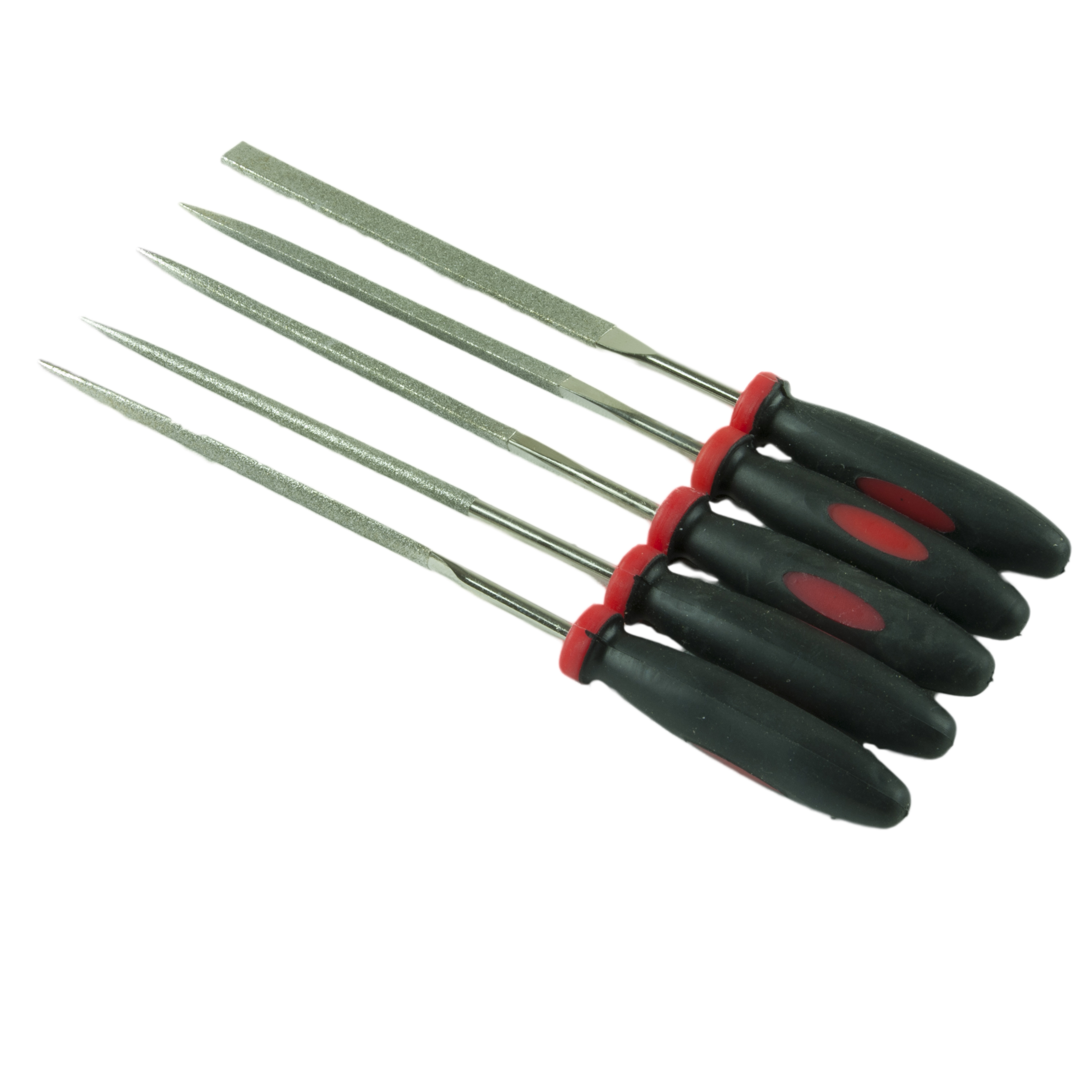
The design of the product focuses on usability and a stable grip. The file has an ergonomic rubber handle designed to give a firm grip while you work. The rubber surface reduces hand slip and allows precise pressure to be applied at exactly the right point on the chain tooth. This improves the repeatability of sharpening and ensures that every tooth is worked in the same way.
The files are made of a material that withstands mechanical wear and keeps its cutting ability in long-term use. The choice of material guarantees that the file bites efficiently into hard chain steel without the surface of the file wearing smooth or clogging prematurely. This makes the sharpening process smooth and reduces the number of file strokes needed per tooth.
Keeping the right sharpening angle is critical for the chainsaw to work, and the design of the Procat file supports this precision. The file is available in different diameters, which allows perfect compatibility with different chain pitches and tooth sizes. A correctly chosen file size ensures that the shape of the tooth gullet stays in line with the original technical specification.
The two files included in the pack give continuity for maintenance work. As the chain inevitably goes blunt in use, a pair of files ensures that a sharp tool is always available to keep the work going. Using the files helps extend the life of the chain itself, as the cutting ability is maintained with minimal but correct removal of material.
Intended use:
- Sharpening chains in forestry and woodwork: When working in the forest or cutting firewood, the chain is exposed to sand and dirt, which blunt the teeth quickly. With the Procat file, the chain can be sharpened directly on the bar, so work can continue without changing the chain. Correct sharpening ensures that the saw does not “wander” and makes straight cuts even in heavy wood.
- Maintaining medium-sized and small chainsaws: The different file sizes let you use the tool on light garden saws as well as larger high-power saws. Using the file specified for the chain type, such as 4.0 mm or 4.8 mm, ensures that the cutting properties of each saw model stay at the designed level. Filing removes the polished, blunt layer from the surface of the tooth, restoring the original cutting angle.
- Extending the life of the engine and chain: Sawing with a sharp chain needs less force, so the engine and guide bar of the saw do not overheat. Using the file is part of preventive maintenance, which reduces chain stretch and wear on the drive links. This ensures that the whole saw works technically correctly and safely in all conditions.
Package contents:
- 2 x Procat chainsaw file
- 2 x ergonomic rubber handle (attached to the files)
Features:
- Wear-resistant material: Keeps its sharpening power for a long time, even when working hard steel.
- Ergonomic rubber handle: Gives a secure grip and prevents slipping during sharpening.
- Precise round shape: Ensures the correct shape of the cutting tooth gullet.
- Several size options: Available in different diameters (e.g. 3.2 mm–5.5 mm) according to the chain pitch.
- Cost-effective pack of 2 pcs: Ensures that a spare tool is always available.
Technical specifications:
- Diameter options: 3.2 mm / 4.0 mm / 4.5 mm / 4.8 mm / 5.5 mm.
- Pack size: 2 pcs.
- Handle material: Rubber-coated plastic.
- File type: Round chainsaw file.
Choosing the right file size:
Choosing the right file diameter is critical to keep the shape of the chain’s cutting tooth technically correct and the sawing performance optimal. The file size must match the chain pitch, which is usually marked on the guide bar of the saw or on the drive links of the chain. The table below guides you in choosing the right Procat file size:
| File diameter | Chain pitch | Chain type / application |
|---|---|---|
| 3.2 mm | 1/4″ | Small chains, light chainsaws and battery saws |
| 4.0 mm | 3/8″ mini (Low Profile) | Medium-sized chains, saws for home use |
| 4.5 mm | .325″ (narrow kerf) | Larger chains, saws for professional use |
| 4.8 mm | .325″ | Standard size on many general-purpose and larger saws. |
| 5.5 mm | 3/8″ or .404″ | High-power saws that use heavy chain models. |
If you are not sure of your chain pitch, check the markings on the drive link of the chain or measure the distance between three consecutive rivets and divide the result by two. Using a file of the wrong size can thin the cutting edge of the tooth too much or leave the sharpening incomplete.
Procat chainsaw file instructions for use:
First check the chain pitch and choose the matching file size (e.g. 3/8″ mini needs a 4.0 mm file). Make sure the file is firmly fixed in the handle. Place the chainsaw on a stable surface and apply the chain brake. Place the file in the gullet of the cutting tooth so that about 1/5 of the file is above the top edge of the tooth. Hold the file at an angle of about 30 degrees to the bar. Push the file evenly forwards along the gullet of the tooth; avoid a sawing back-and-forth movement. Sharpen all the teeth on one side first, then turn the saw round and repeat for the teeth on the opposite side. Clean metal dust off the file after use with a wire brush or by tapping it.
Warnings:
Always wear cut-resistant work gloves and safety glasses when sharpening because of metal filings and sharp teeth. Make sure the chainsaw engine is switched off and the spark plug lead is disconnected (or the battery removed) before maintenance work. Do not use a bent or chipped file. Store the files in a dry place to prevent rust.
Frequently asked questions (FAQ):
How do I find the right file size for my chain?
The chain type or pitch (e.g. .325″) is usually stamped on the drive links or can be found in the saw’s manual. Check the corresponding diameter in the technical table.
Can the file also be used to sharpen the depth gauge?
No, a flat file and a depth gauge template should be used to lower the depth gauge (raker). A round file is intended only for sharpening the cutting tooth.
Why does the file no longer bite into the steel?
The file is probably worn out or its teeth are clogged with metal dust and oil. Clean the file or replace it with the spare file from the pack.
Recycling instructions:
Recycle the cardboard part of the packaging as cardboard and the plastic part through plastic collection. Sort worn metal files into metal waste. Sort the rubber handles as plastic