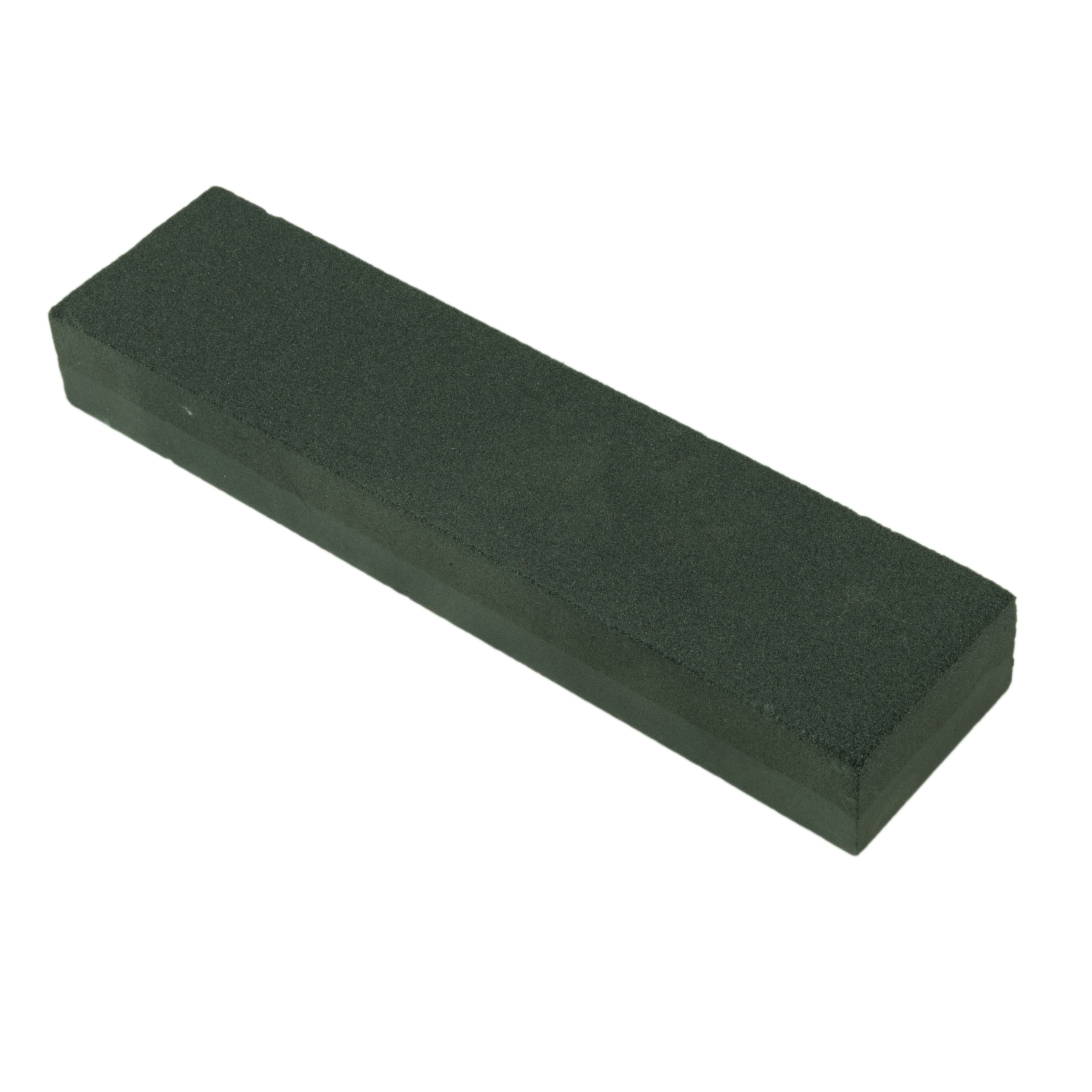

Description
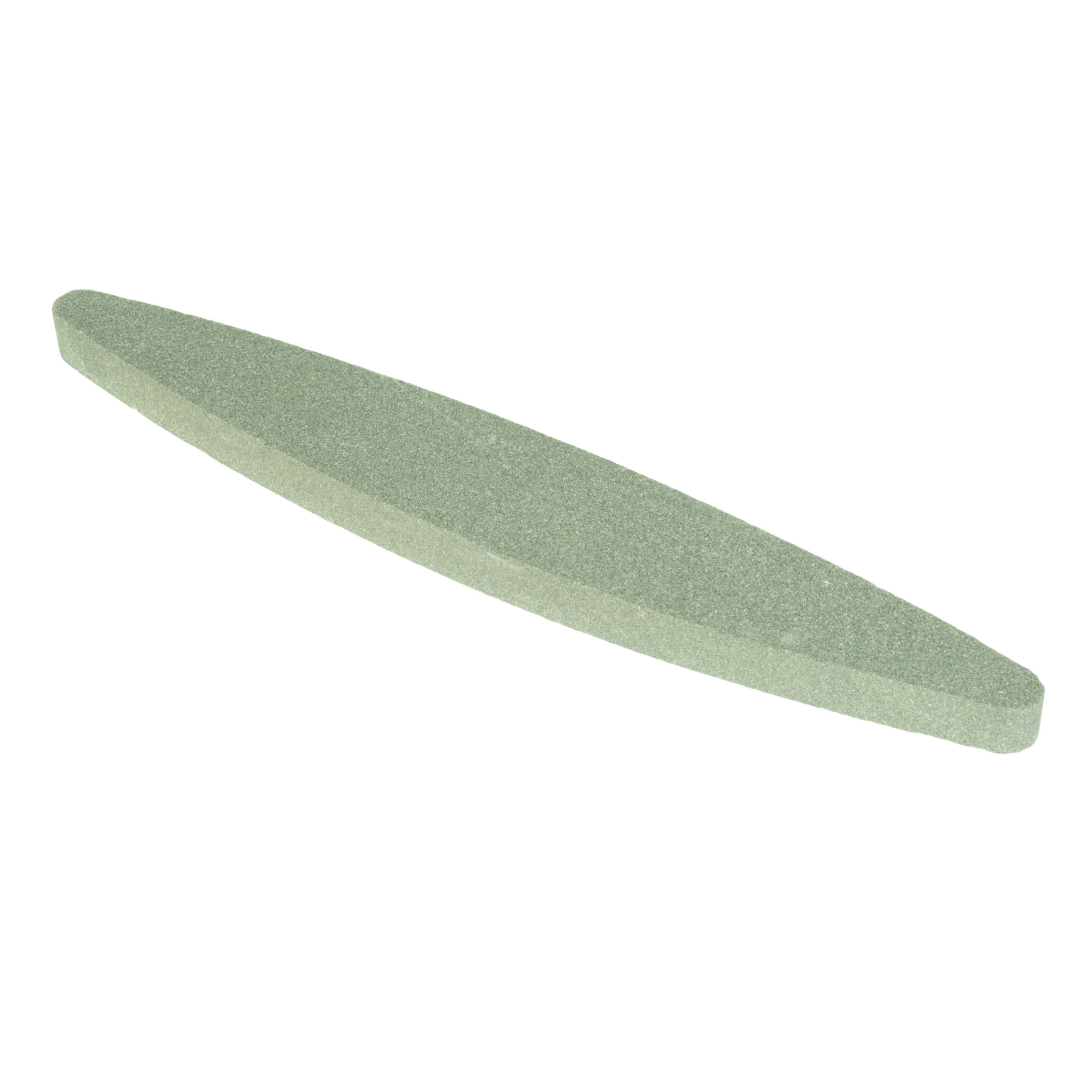
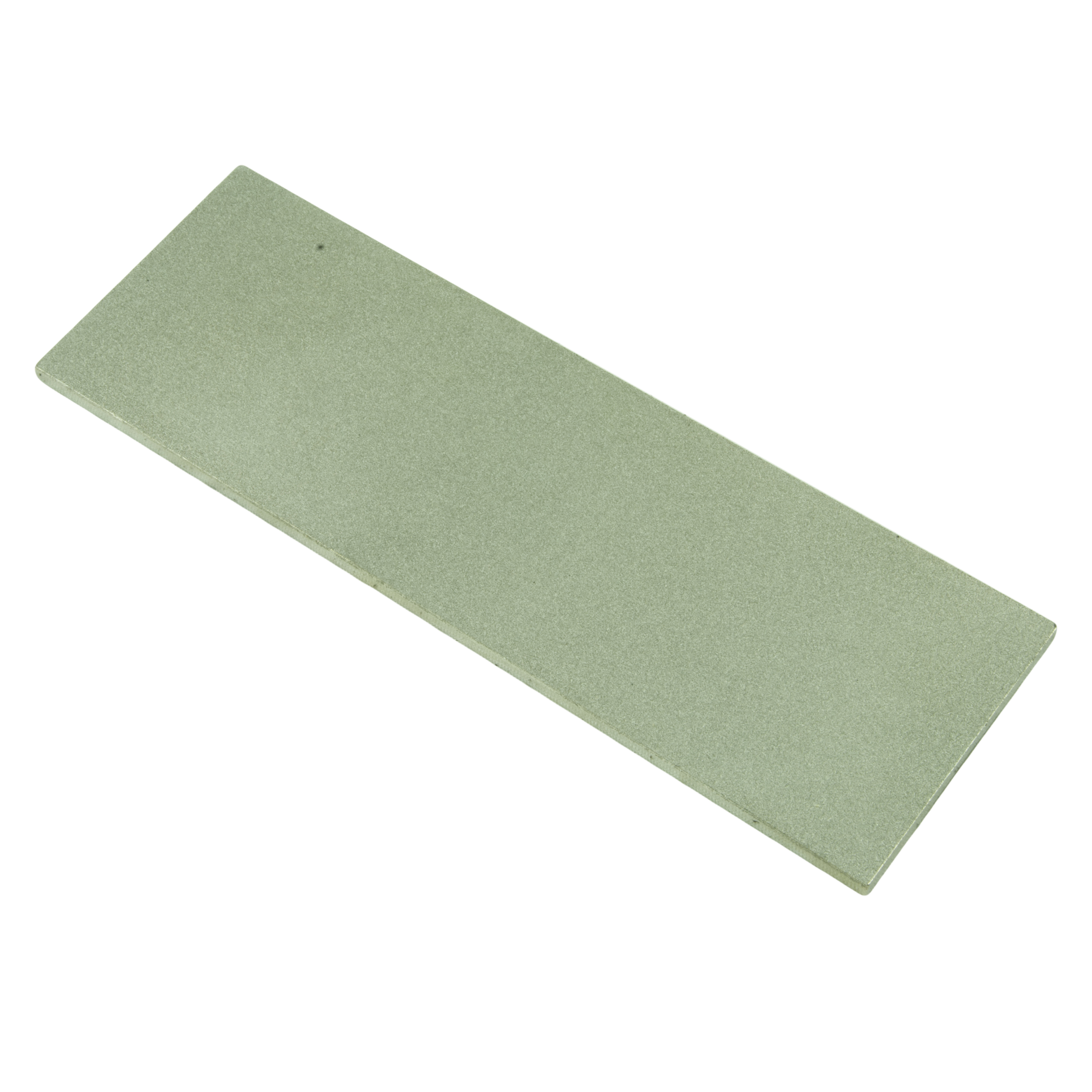
The Procat double-sided sharpening stone is designed especially for sharpening puukko knives and other knives. Its two different grits, K150 and K320, allow both rough grinding and finishing of the edge with the same tool. The coarser K150 side is well suited to rough grinding of edges in poor condition or damaged, while the finer K320 side is intended for finishing and fine-tuning the edge.
The shape of the stone guarantees a comfortable, safe grip while sharpening. Its compact size makes it easy to store and carry, which is particularly useful for professionals and hobbyists who also need a sharpening tool for mobile work.
Made of high-quality materials, the sharpening stone guarantees a long service life and an even sharpening result. The durability of the stone ensures that it keeps its shape and grit for a long time, which makes it a cost-effective choice of sharpening tool.
Intended use:
-
Sharpening puukko knives:
The Procat sharpening stone is excellent for sharpening various puukko knives. The coarser K150 side efficiently removes larger unevenness and damage from the edge, while the finer K320 side finishes the edge, making it extremely sharp and ready to use. This two-stage sharpening process ensures that the knives stay sharp and usable for a long time. -
Sharpening knives:
Kitchen knives and other cutting tools benefit from regular sharpening with the Procat sharpening stone. The coarser side repairs any damage and unevenness in the edge, while the finer side gives the knife the sharpness it needs for precise cutting. This improves efficiency and safety in cooking. -
Sharpening other edged tools:
The sharpening stone is also suitable for sharpening other edged tools, such as chisels and scissors. The double-sided stone allows rough grinding and finishing of tools, which extends their service life and improves the quality of work.
Features:
- Double-sided grit: K150 and K320: allows both rough grinding and finishing with the same stone.
- Versatility: Suitable for sharpening puukko knives, other knives and other edged tools.
- Durable construction: High-quality materials guarantee a long service life and an even sharpening result.
- Compact size: Easy to store and carry.
Procat sharpening stone 2 grits K150 / K320 instructions for use:
- Preparation: Clean dirt and grease off the edge to be sharpened carefully.
- Wetting the stone: Wet the sharpening stone with water or honing oil. This reduces friction and prevents metal particles from building up on the surface of the stone.
- Rough grinding: Start sharpening on the coarser K150 side. Hold the edge at an angle of about 20 degrees against the stone and draw it evenly across the stone, keeping the angle the same throughout the stroke. Repeat this on both sides of the edge until the required shape and sharpness are reached.
- Finishing: Turn the stone over to the finer K320 side and repeat the sharpening process. This removes the scratches left by rough grinding and gives the edge its final sharpness.
- Cleaning: Wipe the edge and the sharpening stone clean with a damp cloth to remove metal particles and excess oil or water.
How to choose the right sharpening stone:
Several factors in choosing a sharpening stone affect the sharpening result and the user experience. Different stones suit different purposes, and their properties, such as grit rating, material and wetting requirements, are worth considering before you buy. Below is a comprehensive guide to choosing the right sharpening stone.
1. Grit rating of the sharpening stone (grit value)
The most important property of a sharpening stone is its coarseness, which is given as a grit value (K). The smaller the number, the coarser the stone. The choice of grit depends on how blunt or damaged the edge is and what kind of result you want.
-
Coarse sharpening stones (K80–K200)
- Suitable for rough grinding of very blunt or damaged edges.
- Remove large unevenness quickly and correct the shape of the edge.
- Do not leave the edge ready to use, but need finer finishing.
-
Medium sharpening stones (K200–K800)
- Versatile stone grades suitable for both rough grinding and basic finishing.
- A good choice for general sharpening and regular maintenance.
- Well suited to most knives and puukko knives.
-
Fine sharpening stones (K1000–K3000)
- Used for finishing edges and achieving a precise cutting edge.
- Particularly suitable for kitchen knives and razors.
- Leave the edge extremely smooth and ready to use.
-
Extra-fine sharpening stones (K4000+)
- Intended for finishing and polishing.
- Often used for razors and surgical instruments.
- Leave an almost mirror polish on the edge.
When choosing the grit of a sharpening stone, note that many stones have two different grits on different sides. This allows both rough grinding and finishing with one stone.
2. Sharpening stone material
Different stone materials affect how quickly the stone grinds metal and how long it lasts in use. Below are the most common materials and their pros and cons.
-
Synthetic sharpening stones (aluminium oxide, silicon carbide)
- Extremely wear-resistant and wear evenly.
- Fast grinding and easy care.
- Suitable for most blade materials.
-
Natural sharpening stones (Arkansas, Belgian blue whetstone, Japanese water stones)
- Offer a softer, subtler sharpening feel.
- Can wear unevenly, which requires flattening.
- Particularly suitable for fine grinding and finishing.
-
Diamond sharpening stones
- Extremely durable and efficient.
- Suitable for hard and wear-resistant alloys.
- More expensive than the other options.
3. Wetting the sharpening stone: water or oil?
Sharpening stones can be divided into two main types based on their wetting requirements:
-
Water stones
- Used with water, which makes grinding smoother and prevents the stone from clogging.
- Easy to clean and maintain.
- A popular option for sharpening kitchen knives and hand tools.
-
Oil stones
- Need special honing oil to work optimally.
- Can last longer than water stones.
- Well suited to grinding metal and woodworking tools.
Some stones can be used with both water and oil, but it is advisable to follow the manufacturer’s instructions.
4. Intended use of the sharpening stone
Different sharpening stones suit different tools and uses. When choosing, consider which tool you are sharpening.
-
Puukko knives and other knives
- Medium and fine sharpening stones (K150–K1000) suit best.
- Double-sided stones with both a coarse and a fine side are a good choice.
-
Chisels and axes
- Often need a coarser stone (K80–K200) for the first grinding.
- Finishing can be done with a medium stone.
-
Razors and surgical instruments
- Extra-fine stones (K3000–K8000) are recommended.
- Finishing is extremely important for these tools.
-
Scissors
- Medium and fine stones give the best sharpening result.
- A flat grinding surface helps keep the scissor blades straight.
5. Size and shape of the sharpening stone
The size of the sharpening stone affects how it is used and stored.
-
Small sharpening stones (under 15 cm long)
- Best suited to pocket knives and small tools.
- Easy to carry, but not suitable for large blades.
-
Medium-sized sharpening stones (15–25 cm long)
- A good all-round size for kitchen knives and puukko knives.
- Offer enough surface area for sharpening without being too large to handle.
-
Large sharpening stones (over 25 cm long)
- Suitable for large knives such as chef’s knives and machetes.
- Offer a longer grinding area, which makes sharpening easier.
The shape of the sharpening stone can also affect its suitability for different tools:
- Flat stones: Best for general use and sharpening knives.
- Round and curved stones: Useful especially for curved blades such as scythes.
- Diamond files and sharpening rods: Used for precision sharpening, such as scissors and hook blades.
Why choose the Procat sharpening stone 2 grits K150 / K320:
1. Double-sided grit (K150 & K320):
- The K150 side removes damage and shapes the edge.
- The K320 side finishes and sharpens the cutting edge.
2. Durable synthetic material:
- Wears evenly and guarantees a long service life.
- Suitable for most blade materials.
3. Water stone: easy to use and maintain:
- Needs no oil, easy to clean and maintain.
- Water reduces friction and prevents the edge from overheating.
4. Practical size:
- Suitable for knives and tools of different sizes.
- Compact and easy to store and carry.
5. Versatile:
- Suitable for kitchen knives, outdoor puukko knives, chisels and other edged tools.
The Procat sharpening stone offers a cost-effective, versatile solution for sharpening knives and tools!
Warnings:
- Always use the sharpening stone on a level, stable surface.
- Wet the stone before use to avoid excessive wear.
- Store the sharpening stone in a dry place so that it does not become brittle or lose its effectiveness.
- Keep the sharpening movements controlled and avoid excessive pressure so that you do not damage the edge or the stone.
Frequently asked questions (FAQ):
What is the difference between the K150 and K320 grits?
K150 is coarser and suitable for rough grinding and repairing damaged edges, while K320 is finer and suitable for finishing and fine-tuning the edge.
Can the sharpening stone be used without water?
Not recommended: using the stones without wetting can cause them to wear and lead to an uneven sharpening result.
How often should the sharpening stone be cleaned?
The sharpening stone should be cleaned after each use so that metal particles do not clog its surface.