

Description
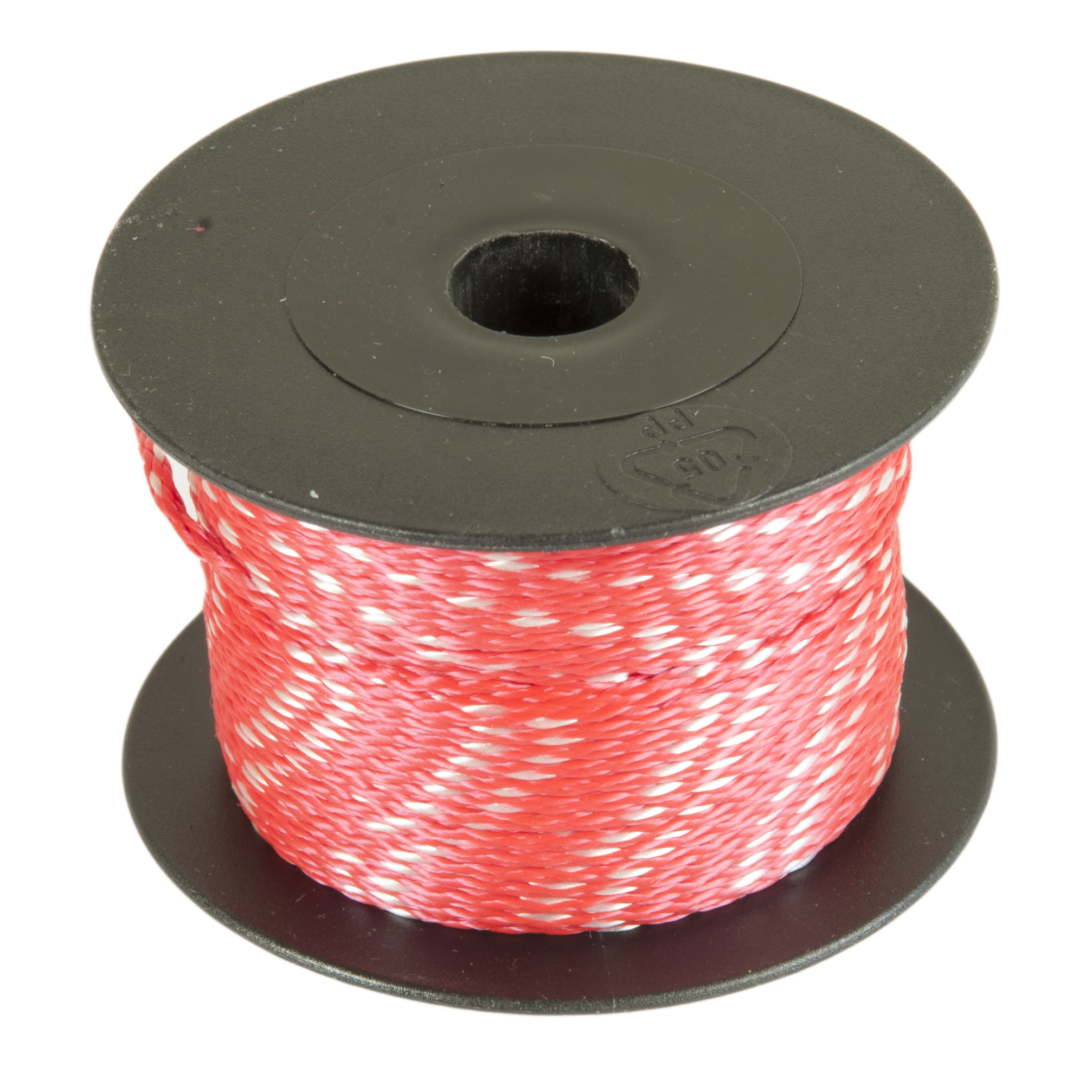
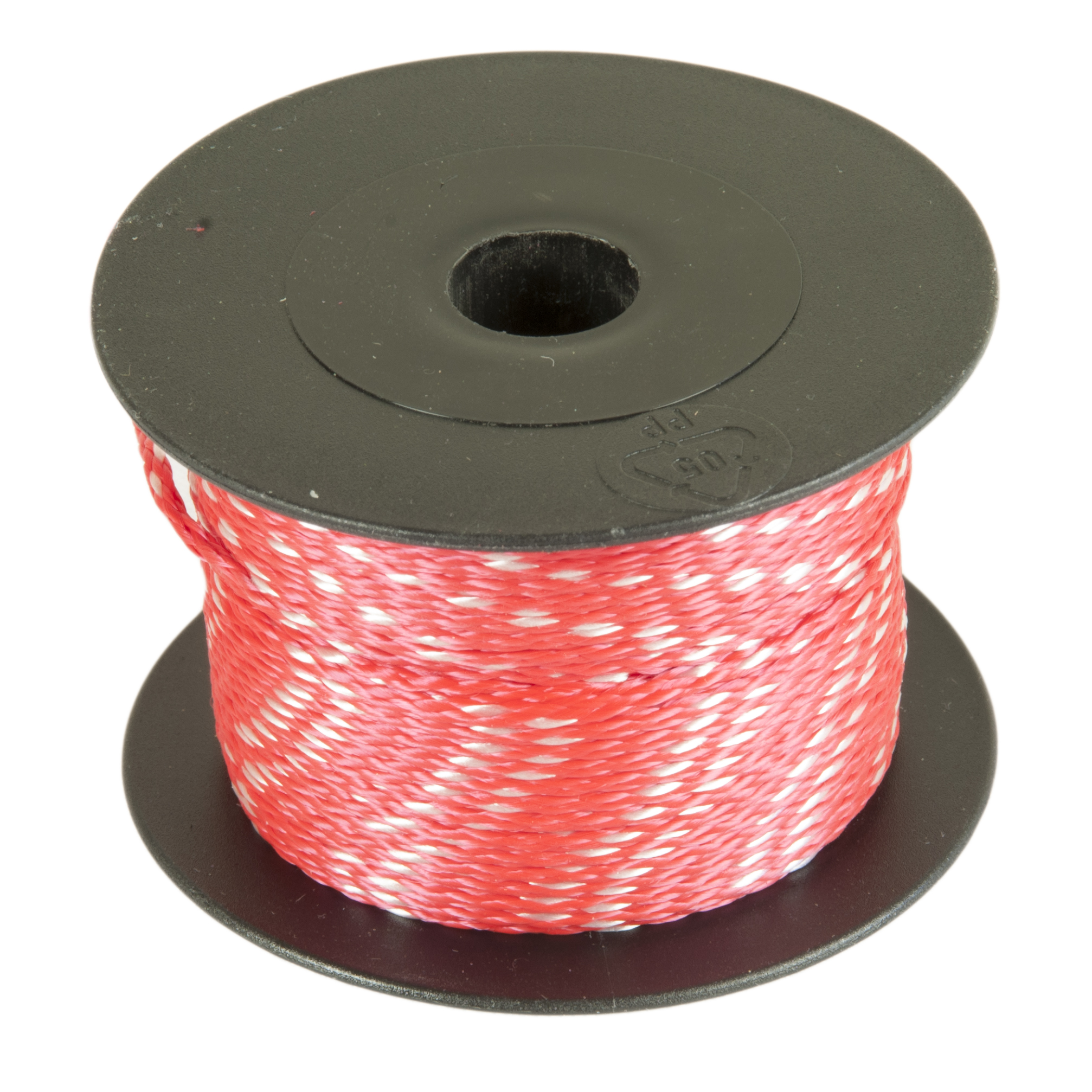
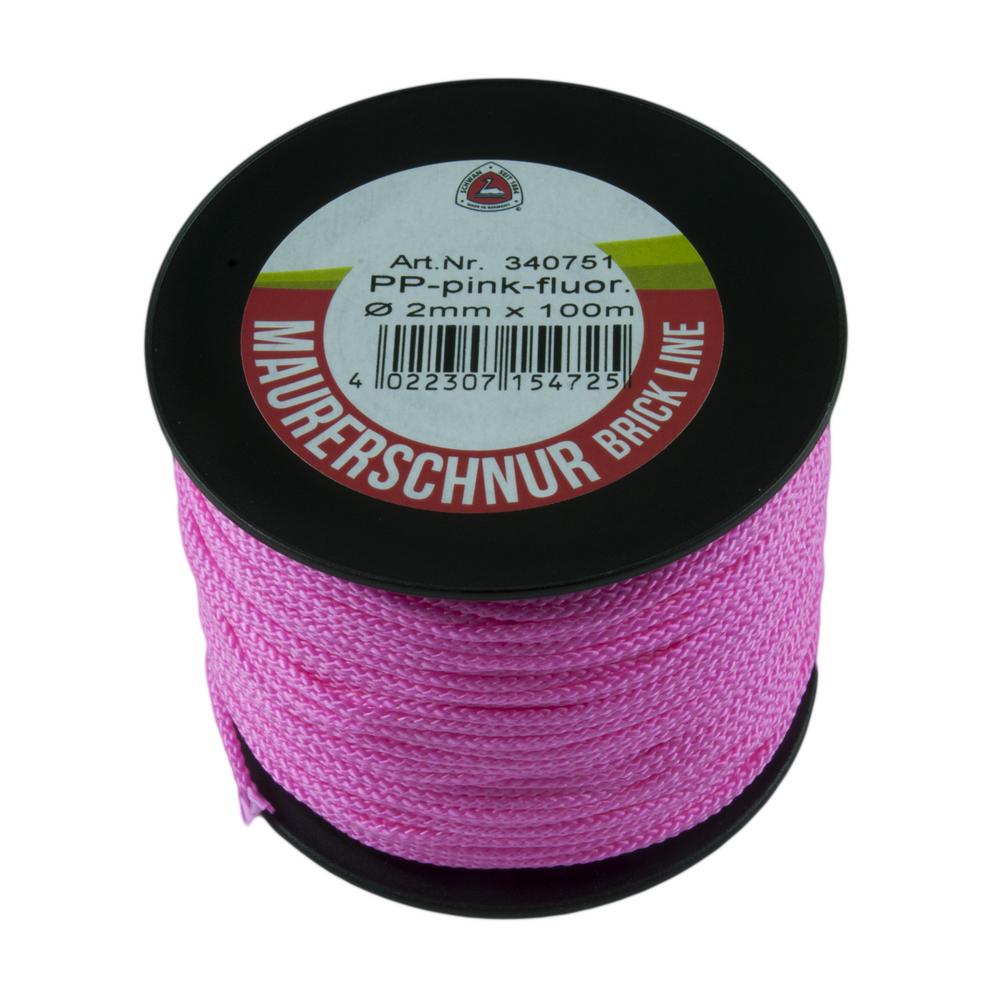
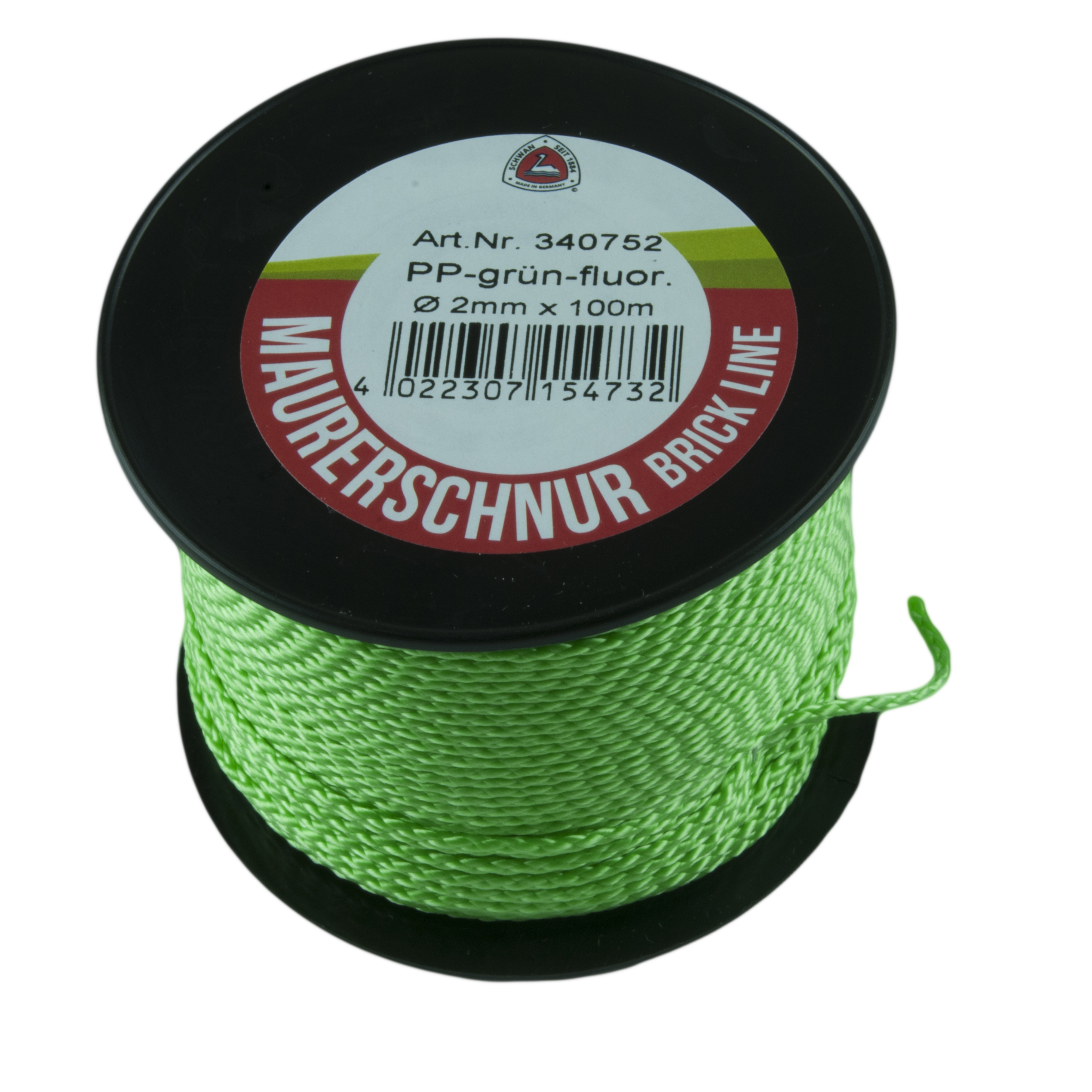
Schwan mason’s line 2.0 mm is designed for professional use on construction sites, where accurate alignment and durability are of prime importance. Supplied on a 100-metre roll, this line is a reliable solution for marking long distances and keeping lines straight in all kinds of construction projects. Its 2.0 mm diameter is optimised to give excellent visibility without the line being too heavy to handle or prone to excessive sag over long spans.
The main strength of the line comes from its material and the way it is made. It is made of high-quality polyethylene, which is known for its excellent resistance to environmental conditions. Unlike natural fibres, polyethylene is waterproof and does not absorb water, which makes it an ideal choice for outdoor use and damp conditions. The braided construction (not twisted) of the line significantly increases its tensile strength and stops the line from unravelling or fraying at cut points, ensuring a long service life even in a demanding site environment.
A particularly important feature for precise measuring work is the line’s low stretch. When the line is tensioned between line blocks, nails or other fixings, it keeps its tension and does not stretch significantly over time or with temperature changes. This guarantees that a line, once set, stays straight and accurate throughout the work stage, which is critical in masonry or foundation alignment, for example. The product comes on a handy roll that makes it easier to pay out and wind back the line without tangling.
Intended use:
- Masonry and bricklaying: This mason’s line is an essential tool for bricklayers to ensure that courses of bricks or blocks are straight and level. Thanks to its low stretch, the line can be tensioned tightly even over long sections of wall, so it works as an accurate guide for every stone laid. The line’s resistance to mortar and moisture guarantees that it withstands site conditions throughout the project.
- Foundation work and footing alignment: When building foundations, accurate lines are critical to the success of the whole structure. Schwan mason’s line is used to mark the outer edges of foundations, the positions of footings and the levels. The strong 2.0 mm construction withstands wear on site and allows accurate alignment even on difficult terrain.
- Landscaping and garden construction: In professional landscaping, mason’s line is used to mark out and align planting areas, paths, patios and retaining walls. The weather-resistant polyethylene material is excellent for outdoor use and withstands exposure to soil and moisture, helping to create neat, straight lines in yard areas.
- General construction measuring and marking: The product is suitable for many measuring and marking tasks on site, such as aligning fences, positioning posts or marking the position of interior partition walls on the floor. Its high tensile strength also allows the line to be used as a temporary guide or for marking line intersections.
Package contents:
- 1 pcs Schwan mason’s line 2.0 mm, 100-metre roll.
Features:
- Material: Polyethylene (PE): A synthetic material that gives excellent resistance to chemicals and moisture and does not absorb water.
- Construction: Braided: Braided line is significantly more durable and less prone to fraying or snapping than twisted lines, and it holds knots better.
- Stretch: Very low: Allows the line to be tensioned tightly over long distances without the line starting to sag, guaranteeing an accurate measuring result.
- Durability: Weather and rot-resistant: Can be used outdoors in all weather conditions without worrying about the material weakening or going mouldy.
- Tensile strength: High: Withstands hard tensioning and the strain of site use without snapping easily.
- Diameter: 2.0 mm: Gives good visibility and handling while being thick enough to withstand wear.
Technical specifications:
- Length: 100 m
- Diameter: 2.0 mm
- Material: Polyethylene (PE)
- Type: Braided
- Packaging type: Roll / reel
Schwan mason’s line instructions for use:
Start by fixing the starting point of the line. Attach the line firmly to a line block, nail or other fixed point with a reliable knot (e.g. a clove hitch or bowline). Pull the line to the end point you want, paying it out from the roll. Make sure the line runs freely and does not rub against sharp corners that could damage it.
Tension the line carefully at the end point. The right tension is important so that the line does not sag even over a long distance (“sagging”). The low stretch of the polyethylene line allows tight tensioning. Fix the line at the end point. Check that the line is straight and, if necessary, check the level with a spirit level or laser. In masonry work, use line pins or line holders if necessary to fix the line to the ends of the brick course. When the work is finished, wind the line neatly back onto the roll to avoid tangling the next time you use it. Store the roll in a dry place out of long-term direct sunlight to maximise the life of the line.
Warnings:
Although the mason’s line is strong, it is intended for measuring and marking only. Never use the line to lift or tie down loads, as it is not an approved lifting aid. Beware of the line snapping if it is under extreme tension; a snapping line can cause eye or skin injuries. Wear safety glasses when tensioning the line. Avoid pulling the line over sharp edges, as this weakens the material and can lead to snapping.
Frequently asked questions (FAQ):
Why choose polyethylene line instead of cotton line?
Polyethylene is a synthetic material that does not absorb water or rot. It withstands outdoor conditions, abrasion and chemicals considerably better than traditional cotton line, which weakens with moisture.
What is the advantage of a braided construction over a twisted one?
Braided line is structurally stronger and more even. It does not unravel or untwist as easily as twisted line, and knots hold better in it. It also stretches less.
Is 2.0 mm line suitable for long distances?
Yes, 2.0 mm is an excellent thickness that gives good visibility and enough strength to run even long lines without significant sag, as long as the line is tensioned correctly.
Recycling instructions:
Polyethylene line can usually be recycled through plastic recycling. Check the local waste management regulations to make sure you recycle it correctly. The line reel (if plastic or cardboard) should be recycled according to the recycling instructions for that material.