Description
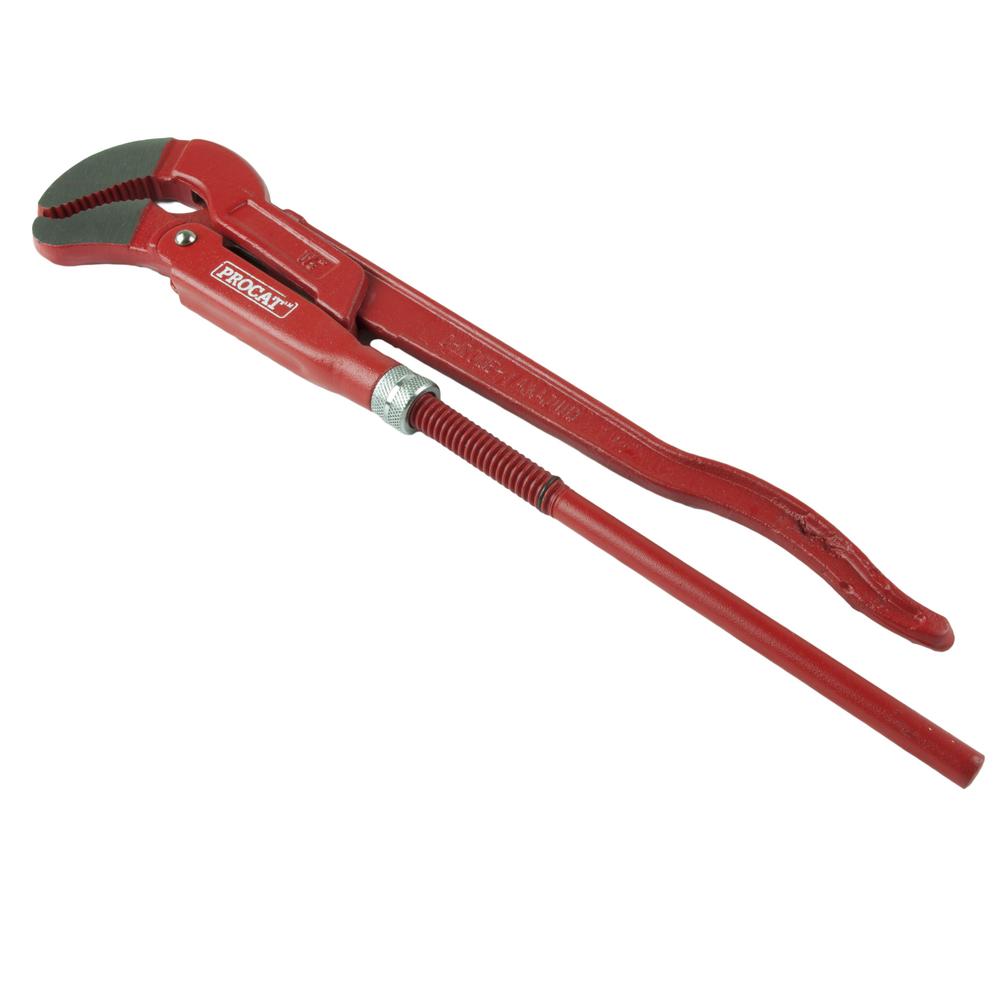
Procat bending pliers are a specialist tool designed for precise work on various metal and sheet metal plates. These pliers let the user make precise bends, folds and seams, which are essential for a high-quality result. The sturdy construction of the tool is designed to withstand continuous use, and it is excellent for many kinds of metalwork.
The pliers have an optimal 60 mm jaw width. This width is an ideal compromise between efficiency and control; it lets you bend a large enough area with one squeeze to speed up the work, but is narrow enough for working precise details and tighter spots. The straight, flat jaw surfaces ensure that the material being bent is not damaged or scratched during the process, leaving a neat result.
The design of the product pays particular attention to ergonomics and comfort. The pliers have high-quality rubber-coated handles. This coating significantly improves the grip, also in damp or oily conditions or when wearing gloves, and it also cushions the pressure on the hand. This reduces hand fatigue during long use, allowing more efficient work.
The head of the tool is shaped at an angle to the handles. This angled design gives a significant advantage over traditional straight pliers. It improves visibility of the work and gives access to harder-to-reach places, such as under eaves or into tight corners. The angled design also makes it easier to make certain seam types on site, such as standing seams or double lock seams, without heavy equipment.
Procat bending pliers are versatile across materials. They can handle the most common thin sheet materials, such as steel, aluminium, copper and zinc. The tool is an irreplaceable aid where accurate, neat bends are needed directly on site, reducing the need to go to a separate sheet metal folder for small alterations.
Intended use:
- Roofing and sheet metal work: These bending pliers are a key tool for finishing all kinds of sheet metal work. They are used in roof flashing, for precise shaping and seaming of chimney flashings, eaves trims, window sills and other junction flashings. The 60 mm width is ideal for most edge folds and drip edges, ensuring tight and visually neat joints even in difficult shapes.
- Plumbing, HVAC and ventilation work: The tool is used for modifying ventilation ducts and their parts. The pliers make it easy to bend connecting flanges at the ends of ducts, make the necessary reductions or shape support rails. The angled design helps especially when working in tight spaces, such as enclosures or narrow corners, where there is no room for large tools.
- General metalwork and repairs: The product is suitable for a wide range of metalwork, such as installing facade cassettes, sheet metal repairs on vehicle bodies or finishing custom-made metal parts. Whenever thin sheet has to be bent by hand to a precise angle or shape without machine power, these pliers give the precision and squeezing force needed for a neat result.
Package contents:
- 1 pcs Procat bending pliers (60 mm) in the selected model
Features:
- 60 mm jaw width: The optimal width allows efficient work and neat bends in the most common sheet metal dimensions, giving a good balance between precision and coverage.
- Angled head: The ergonomic head angle improves reach into tight spots and makes working in awkward positions easier, while improving visibility of the seam being worked.
- Rubber-coated handles: Two-colour (red/black) dipped rubber grips give excellent friction and comfort, reducing strain on the hands and stopping the grip from slipping.
- Sturdy metal construction: The tool is made of durable metal, which guarantees a long service life and reliability in repeated use without distortion.
- Precise jaws: The flat, precisely machined jaw surfaces ensure that no unwanted marks or damage are left on the sheet being bent.
Technical specifications:
- Product type: Bending pliers / seaming pliers
- Jaw width: 60 mm
- Handle material: Rubber coating
- Body material: Steel
Procat bending pliers instructions for use:
For the best result and to maximise the life of the tool, follow these instructions:
Preparation: Measure and mark the bending point accurately on the sheet with a pencil or scriber. Make sure the material is clean and its thickness is suitable for the tool.
Use: Open the pliers and place the jaws exactly on the marked bending line. Make sure the sheet is inserted between the jaws to the depth you want. Squeeze the handles together evenly and firmly. Start the bending movement calmly by turning the pliers in the direction you want.
Long bends: If you are making a bend longer than 60 mm, work in stages. Make the first bend, move the pliers so that the jaw slightly overlaps the part already bent, and repeat the squeeze and bend. Continue until the whole length you want has been bent. If necessary, finish the bend by going over the whole length to even out any irregularities.
Maintenance: Clean dirt and metal dust off the pliers after use. Lubricate the joint regularly with thin machine oil to keep the mechanism working smoothly and prevent rust. Store the tool in a dry place.
Warnings:
Always take care when using hand tools.
- Risk of pinching: Keep your fingers away from between the handles and jaws during use.
- Risk of cuts: The edges of metal sheets are often very sharp. Always wear suitable protective gloves when handling sheet metal.
- Safety glasses: Wear safety glasses to protect your eyes from possible metal fragments or dust.
- Limits of the tool: Do not exceed the capacity of the tool by trying to bend material that is too thick or too hard, as this can damage the pliers or cause an accident. Do not use extensions on the handles to increase the force.
Frequently asked questions (FAQ):
Which materials are these bending pliers suitable for?
The pliers are suitable for the most common thin sheet materials, such as steel, galvanised steel, aluminium and copper.
What is the exact jaw width of the pliers?
The jaw width is 60 mm, a common and versatile size for different seaming and folding needs.
Recycling instructions:
The product is made mainly of metal, and its handles contain rubber material. At the end of its life, dispose of the tool properly. The metal part can be recycled through metal collection. Check the local waste management regulations for the correct disposal of the rubber parts; they can often go into mixed waste if they cannot easily be removed from the metal body for recycling. Dispose of the packaging materials as plastic