
Description
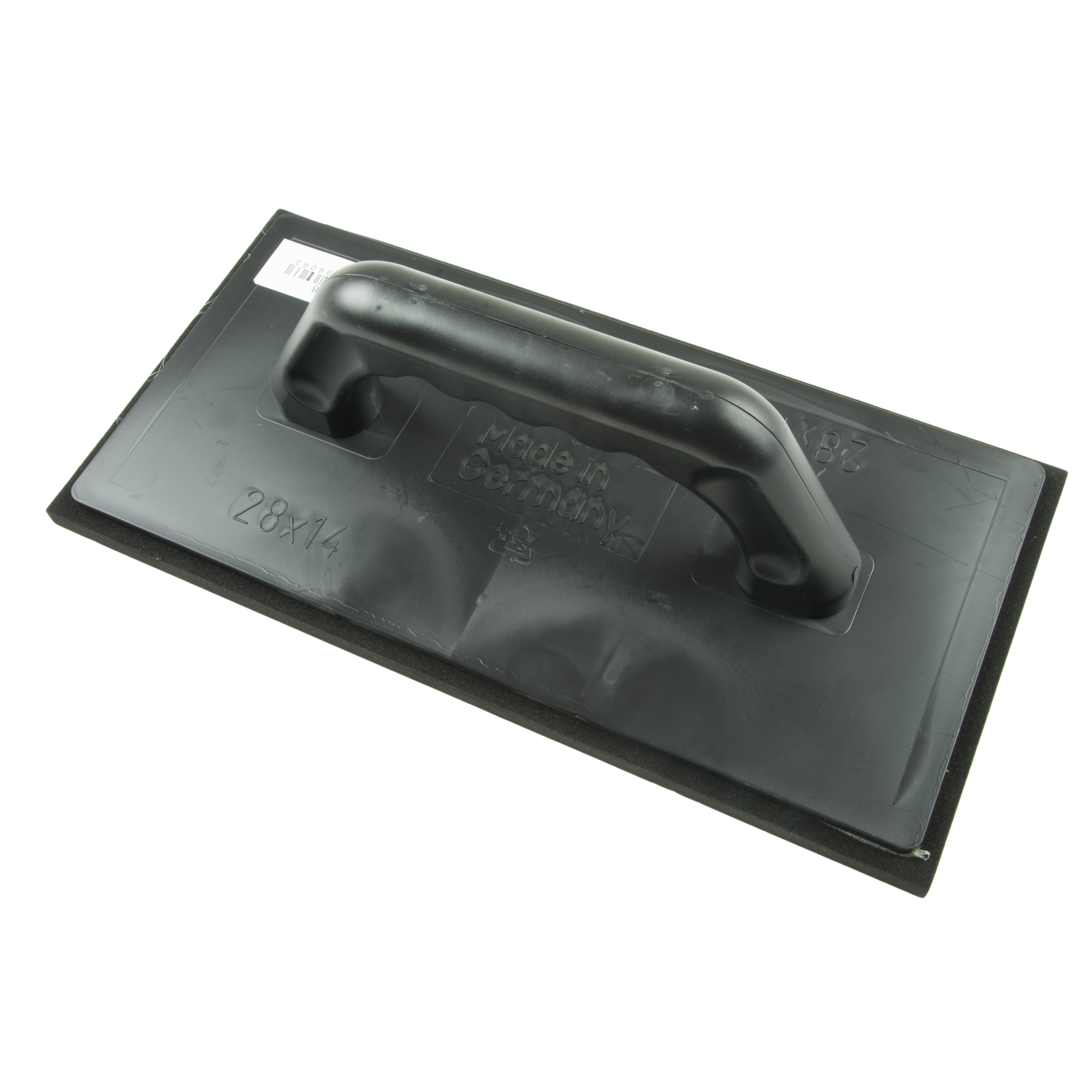
The Schwan grout float, measuring 140 x 280 mm, is designed for applying and levelling grout on ceramic tiles, wall tiles and clinker tiles. The key feature of the tool is its 8 mm thick cellular rubber base layer. This material has been chosen for its optimal flexibility and durability.
The cellular rubber surface is firm enough to press the grout efficiently and deep into the joints between tiles, ensuring a tight fill. At the same time, the material is soft enough that it does not damage or scratch even more delicate tile surfaces, such as glazed wall tiles or natural stone, while you work. The tool size of 140 x 280 mm makes it suitable for efficient work on both wall and floor surfaces. The sturdy handle lets you apply even pressure over the whole working area.
Intended use:
- Applying grout: Spreading grout over the tiles.
- Filling joints: Pressing grout into the joints between tiles by drawing the float diagonally across the joints.
- Initial cleaning of the surface: Removing excess grout from the tile surface by holding the grout float at a steeper angle (approx. 90 degrees) to the surface.
Package contents:
- 1 x Schwan grout float 140 x 280 mm
Features:
- 8 mm cellular rubber surface: A durable, flexible material for efficient grouting.
- Gentle on surfaces: Does not scratch tiles.
- Optimal size: 140 x 280 mm is suitable for general use on walls and floors.
- Even finish: The rigid body and even rubber guarantee that the grout spreads evenly.
Technical specifications:
- Size: 140 mm x 280 mm.
- Rubber part material: Cellular rubber.
- Rubber part thickness: 8 mm.
- Body and handle: Plastic/composite.
Instructions for use:
Take grout onto the edge of the grout float. Spread the grout over the tiled surface, holding the float at a shallow angle. Press the grout into the joints by drawing the tool diagonally across the joint lines; this ensures that the joints fill completely and the rubber does not scoop the grout out of the joint. When the joints are full, remove excess grout from the tile surface by holding the grout float almost upright (at a 90-degree angle) and drawing it across the surface. Clean the tool with water immediately after use, before the grout has time to harden on the rubber.
Warnings:
Although cellular rubber does not scratch, always make sure there are no coarse impurities in the grout that could get under the rubber and scratch the surface. Some very coarse or epoxy-based grouts can wear the cellular rubber surface faster than ordinary cement-based grouts.
Frequently asked questions (FAQ):
Is this suitable for epoxy grouting?
Yes, cellular rubber is also suitable for applying epoxy grouts. Note, however, that epoxy must be cleaned off the tool very quickly and carefully after use.
Does this scratch glazed wall tiles?
No, the 8 mm cellular rubber surface is designed to be gentle and does not damage properly installed tile surfaces.
How long does cellular rubber last?
The service life of the rubber depends on the coarseness of the grout used and the amount of use. The rubber is a wear part that should be replaced (the whole tool) when its edges round off or the surface starts to crumble, so that the grouting result stays good.
Recycling instructions:
The product is made of different materials (plastic body and rubber surface) that are difficult to separate. Dispose of a worn-out product as mixed waste.