
Description
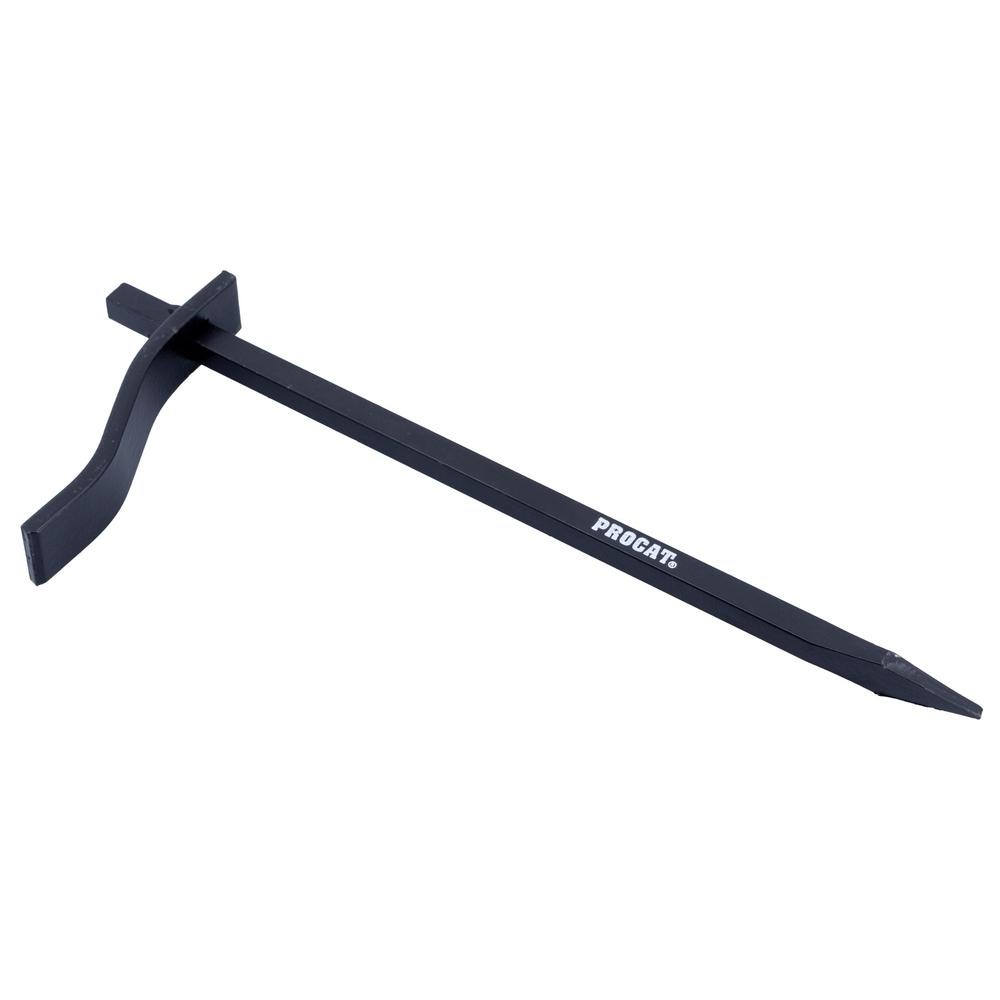
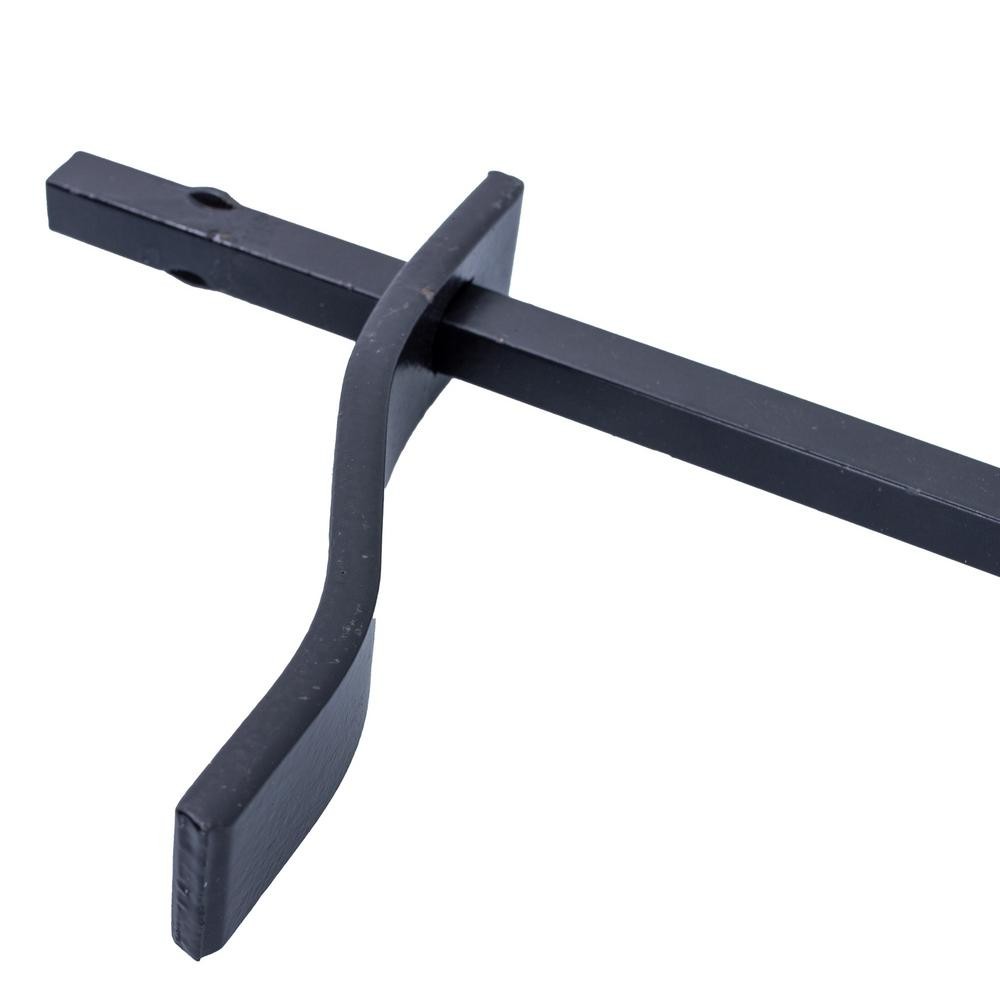
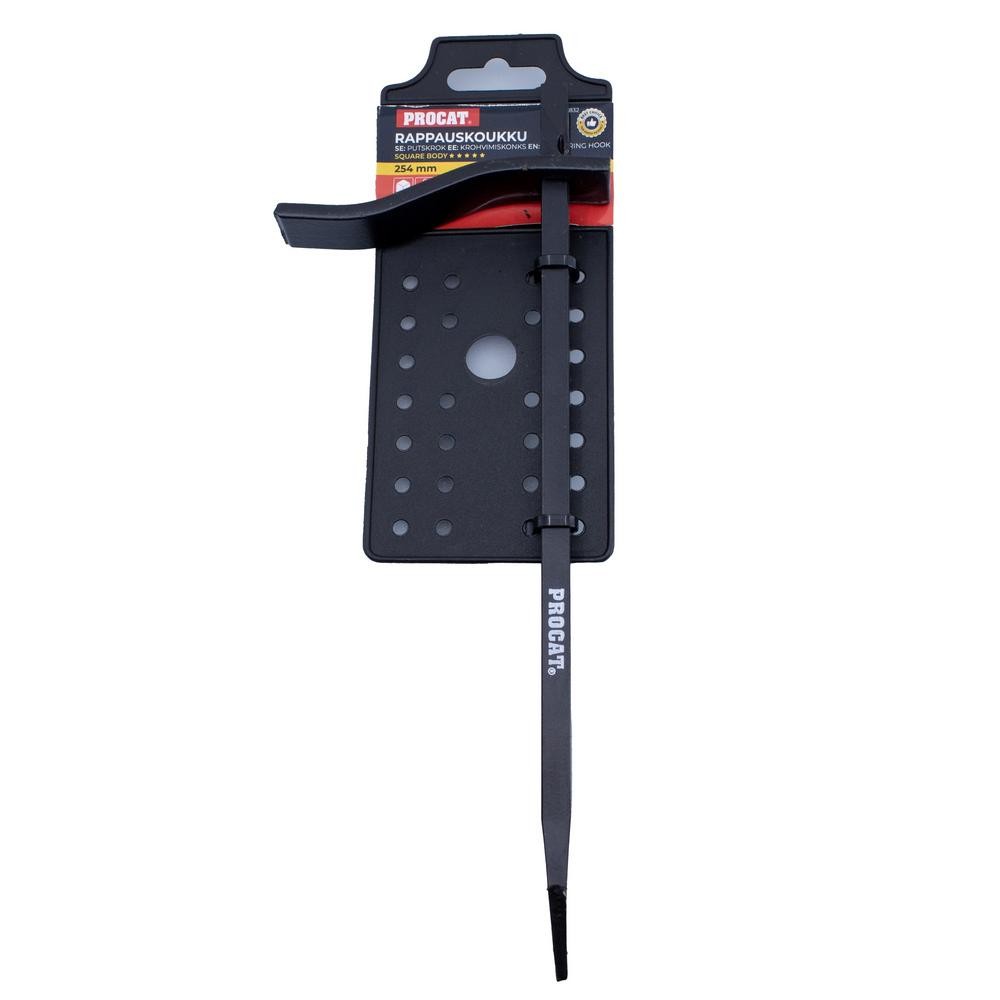
Procat plastering hook is a 254 mm long, square fastener for temporarily fixing screed and guide boards, plastering boards and panels to stone, brick and block walls. The hook is made of carbon steel, and its shank has a sliding clamp. The product is also known as a mason’s nail, plastering nail and mortar hook.
The principle is simple. The hook is driven with a hammer into a wall joint or another fixing base, and the piece to be fixed is placed between the hook shank and the wall. The sliding clamp is pressed against the piece, locking the board or panel in place.
The square profile keeps the hook from turning in the joint. The fixed board stays aligned even when mortar is drawn against it with a straightedge. A round nail can turn in its hole, but a square shank bears against the edges of the joint.
The length of 254 mm (10″) gives the hook a deeper reach than shorter models, so it suits thicker boards, panels and wide joints. The fixed piece is released without tools by loosening the clamp. The hook is then pulled out of the wall and reused at the next site.
Intended use and suitability:
Procat plastering hook 254 mm is designed for temporary fixings in plastering and masonry work where a piece must stay firmly in place for the duration of the work stage. For thinner boards, Schwan plastering hook 160 mm is also suitable, and the straightness of screed boards is checked, for example, with the Procat aluminium screed 200 cm straightedge.
- Plastering screed boards: Screed and guide boards are fixed to the wall as guides for the thickness and straightness of the plaster coat. The board acts as a guide for the straightedge when the mortar is levelled.
- Corners and openings: A board fixed to an external corner or to the reveal of a window or door opening gives a straight edge where the plaster is finished.
- Plastering boards and panels: Boards and panels stay in place during the work and are removed once the mortar has set.
- Masonry work: Guide and support boards are fixed to a finished stone, brick or block wall for the duration of the work stage and removed afterwards.
- Thick pieces and deep joints: The long shank reaches deeper into the base and leaves more room for the piece being fixed than a shorter hook.
Package contents:
- Plastering hook 254 mm: square carbon steel hook with a sliding clamp on the shank.
Features:
- Square profile: The square profile bears against the edges of the joint, so the hook does not turn and the fixed piece does not twist out of line.
- Sliding clamp: The clamp moves along the hook shank and locks the piece against the wall regardless of the piece’s thickness.
- Carbon steel: The steel construction withstands hammering and repeated fixing and removal.
- 254 mm length: The long shank reaches deep into the base and suits thicker boards and panels.
- Removal without tools: The piece is released when the clamp is loosened, and the hook is immediately ready for reuse.
Technical specifications:
- Length: 254 mm (10″)
- Material: carbon steel
- Profile: square
- Fixing method: driven
- Locking: sliding clamp
- Fixing bases: stone, brick and block walls
Procat plastering hook 254 mm instructions for use:
The fixing is done in stages. A long board needs several hooks at even intervals.
- Fixing point: Mark the position of the board or panel and choose the fixing points, preferably in brick or block joints.
- Driving: Wear safety glasses. Drive the hook into the joint with a hammer deep enough for it to be firmly fixed, leaving as much of the shank visible as the thickness of the piece to be fixed.
- Positioning: Place the board or panel between the hook shank and the wall and check that it is straight with a straightedge or a spirit level.
- Locking: Slide the clamp against the piece so that the piece locks in place. Keep your fingers out from between the clamp and the piece.
- Removal: Loosen the clamp, remove the board and pull the hook out of the joint.
- Maintenance: Clean off mortar residue before the next use and store the hooks in a dry place.
Warnings:
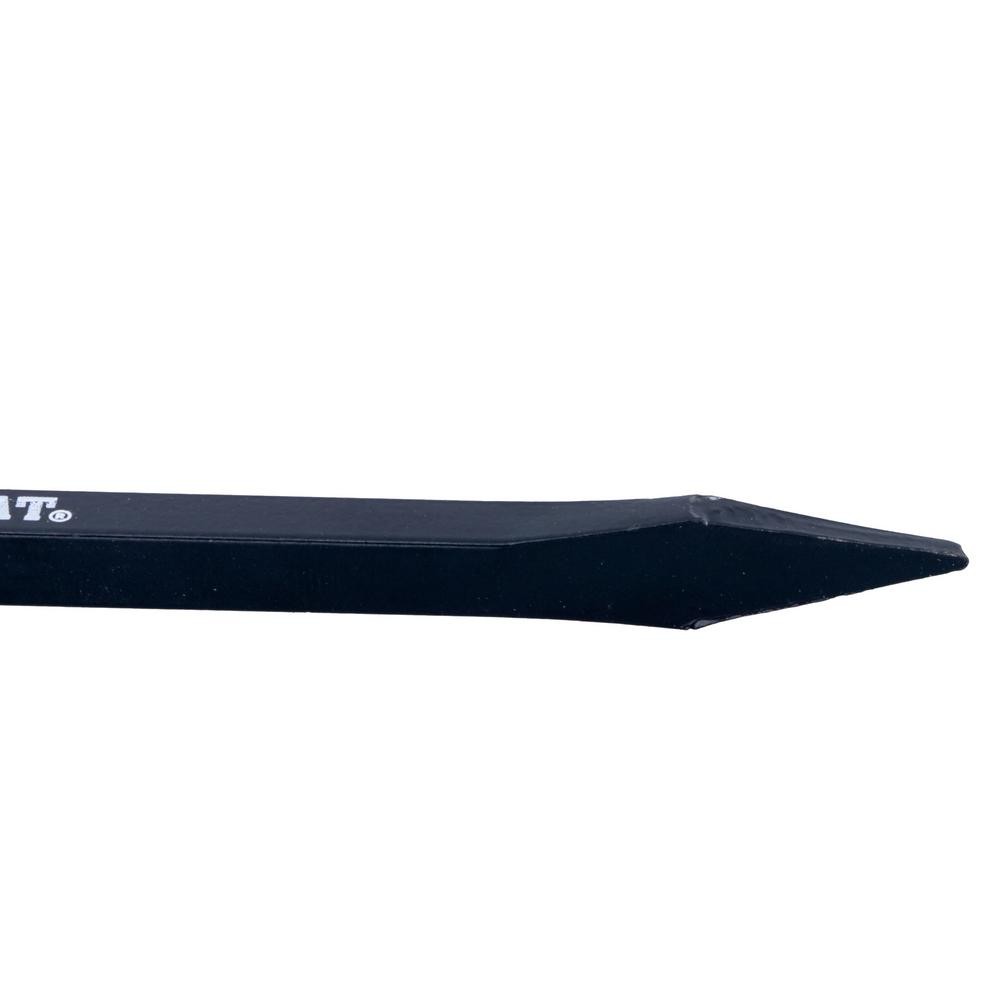
- Sharp point: The point can cause eye and hand injuries when the hook is driven. Wear safety glasses and work gloves.
- Risk of ejection: A poorly fixed hook can come loose and fly off. Check the fixing before loading and replace a bent hook.
- Electrical wires: Do not drive the hook into a spot where electrical wires or pipes may run inside the wall. Do not attach the hook to live structures.
- Not for lifting: The hook is not used for lifting, hanging loads or fall protection.
- Risk of crushing: The clamp presses the piece against the wall. Keep your fingers away from the clamping point.
- Children: Keep out of reach of children.
Frequently asked questions, FAQ:
Where is the Procat plastering hook driven in a brick wall, into the joint or into the brick?
Primarily into the joint. The mortar joint is softer than brick, and the square profile bears against the edges of the joint without turning.
What is the difference between a 254 mm and a 160 mm plastering hook?
The longer hook reaches deeper into the base and leaves more shank for the piece being fixed. That is why it suits thicker boards and panels, while a shorter hook is enough for thin boards.
Why is the plastering hook square and not round?
A square shank does not turn in the joint. The fixed board stays in line when mortar is drawn against it.
Can the plastering hook be reused?
Yes. When the clamp is loosened and the hook is pulled out of the wall, it is cleaned and used at the next site.
Is the plastering hook suitable for hanging items or lifting?
No. The hook is designed for temporary fixings during plastering and masonry work.
Recycling instructions:
Procat plastering hook is made of carbon steel, and at the end of its use it goes to metal collection. Remove mortar and concrete residue before recycling. Sort the retail packaging according to the marking on the packaging material.