
Description
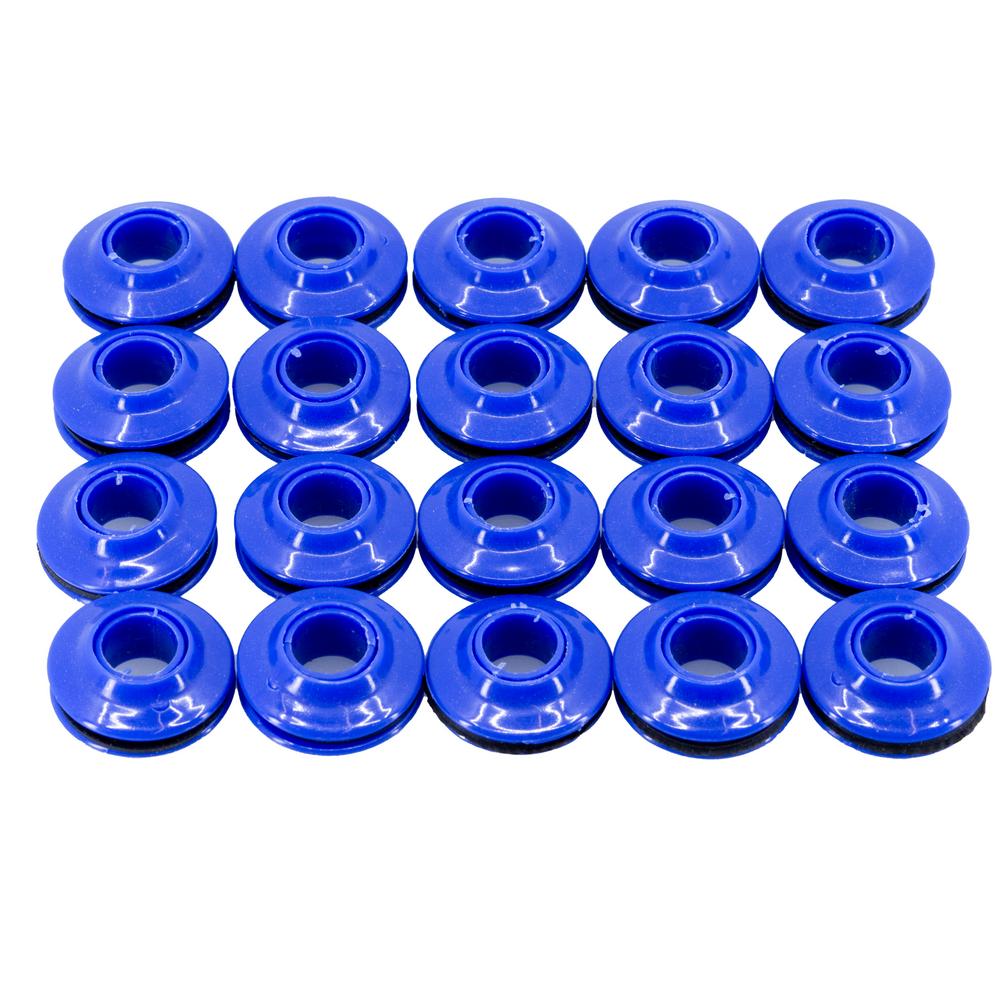
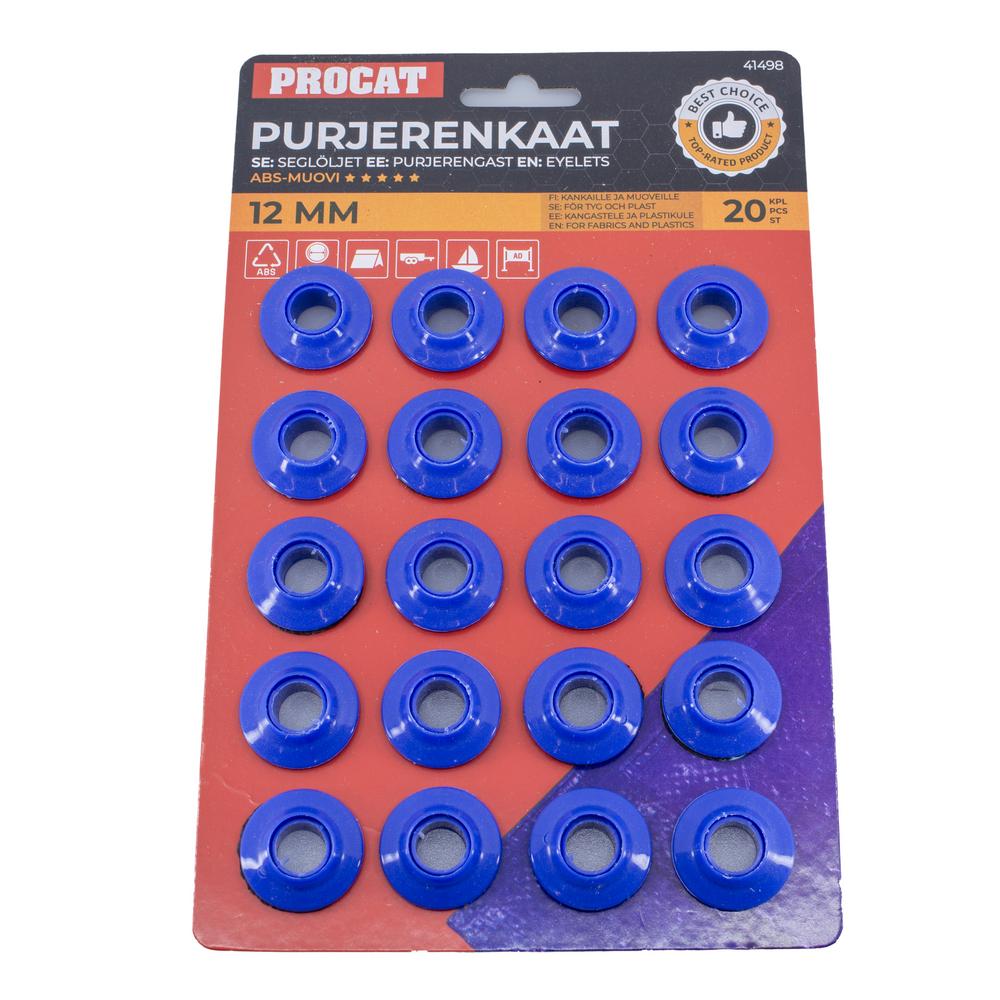
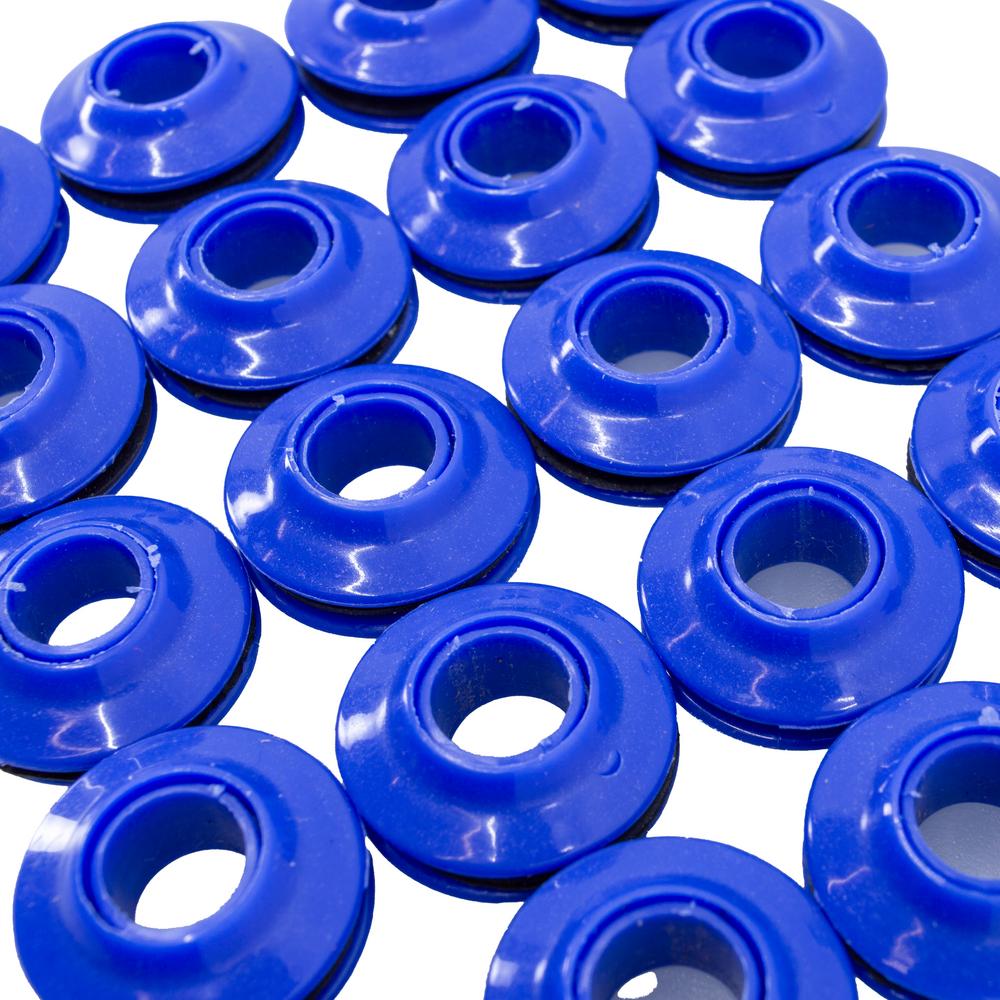
Procat eyelets 12 mm are APS plastic two-part eyelets for making a reinforced fixing hole in fabric, tarpaulin or plastic sheeting. The eyelet inner diameter is 12 mm, and the parts are pressed together by hand without tools. The pack contains 20 pairs making up 20 complete eyelets: each pair consists of an eyelet and a washer with its rubber seal.
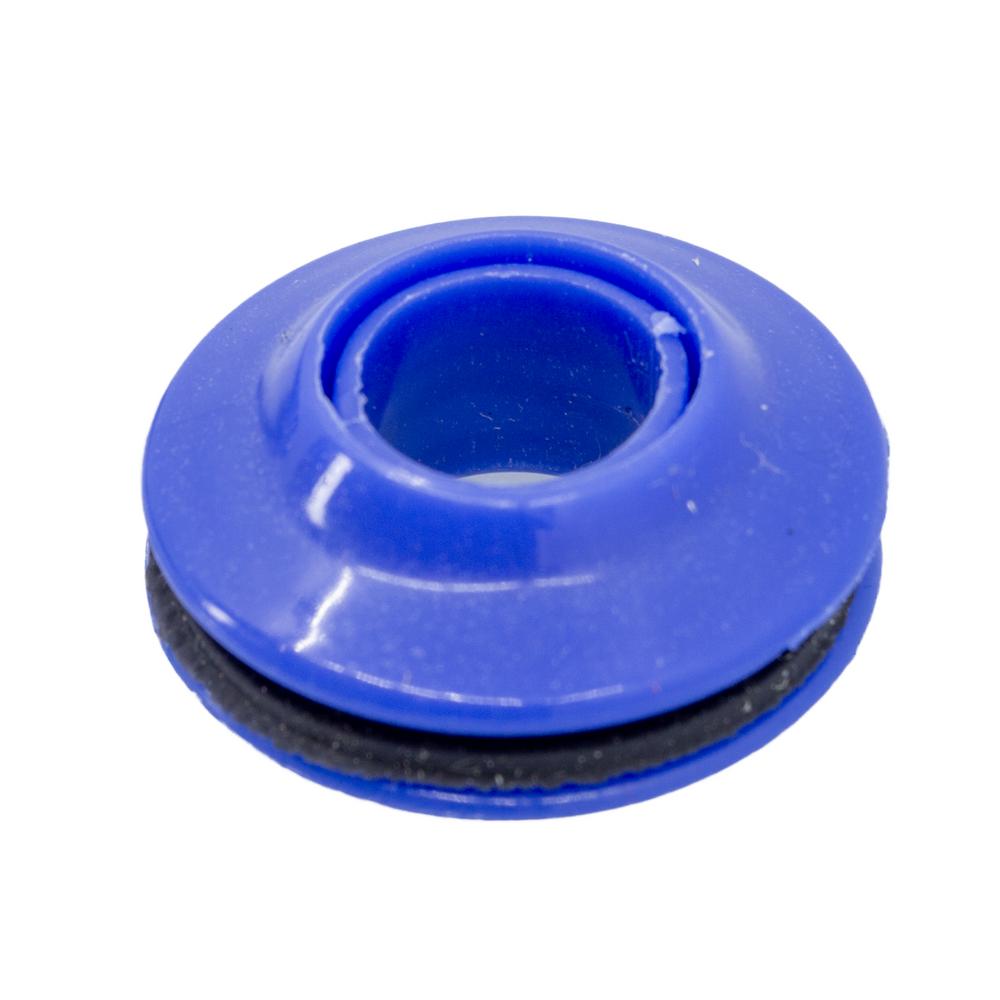
Between the eyelet parts there is a rubber seal, which presses against the material when the eyelet and washer are joined together. The seal makes the joint tight. Water and dirt cannot easily get between the eyelet and the material, and the eyelet cannot move in the hole.
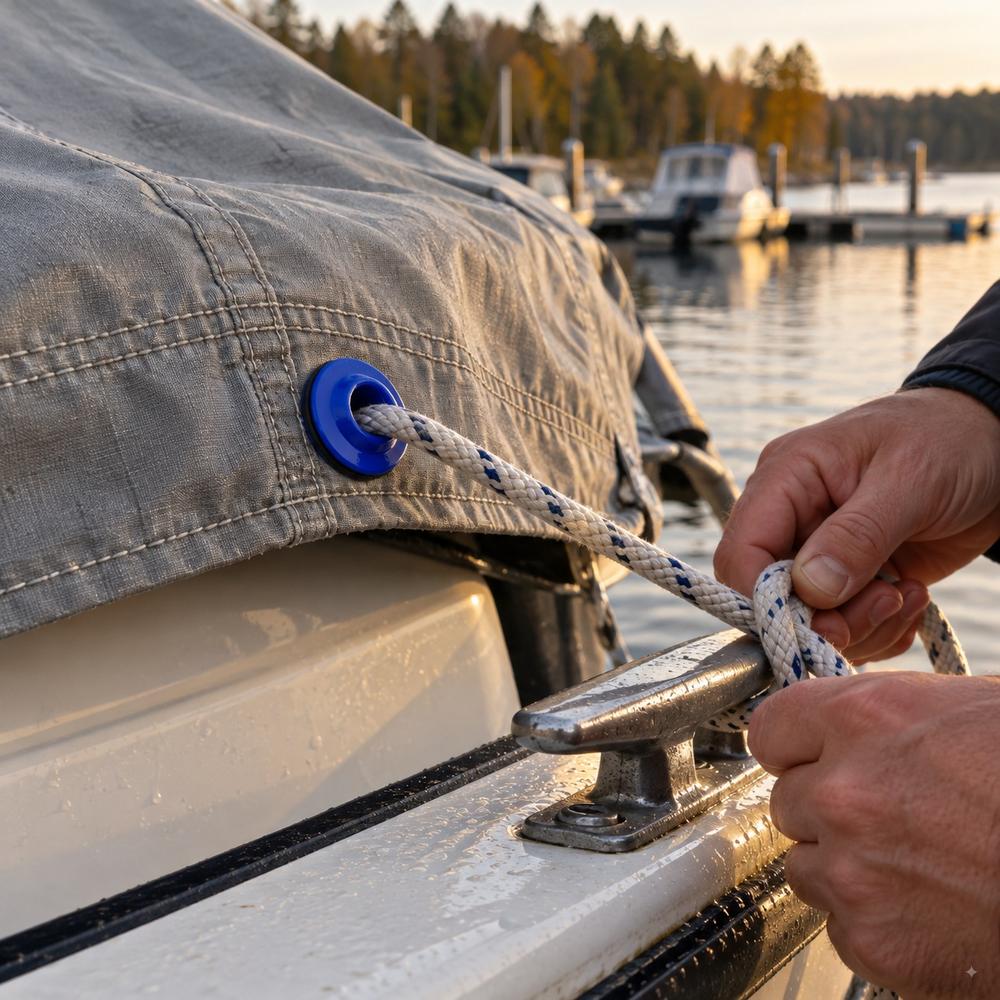
An APS plastic eyelet does not rust or leave rust marks on fabric, so it suits covers used outdoors and trailer and boat canopies. The eyelet spreads the pull of a rope, elastic cord or hook around the whole circumference of the hole, so the edge of the hole withstands pulling better than an unreinforced hole.
The eyelets are intended for fabrics and plastics: tarpaulins, covers, the edges of tents and shelters, canopies, and advertising fabrics and banners. If you need metal eyelets, the alternatives are the brass Procat eyelets and the sets with a tool included, Procat eyelet set 16 mm + pliers and Procat eyelet set 16 mm + setting tool.
Uses and suitability of Procat eyelets 12 mm:
The eyelets reinforce fixing holes in fabrics and plastic materials where a rope, elastic cord, hook or tie-down strap is attached.
- Tarpaulins and covers: A new eyelet is fitted in an undamaged spot to replace a torn-out one, and fixing points can be added more closely along the edge. The wind load is spread over more fixings.
- Tents and shelters: Fixing holes in side walls and edges for guy ropes and elastic cords.
- Trailer and boat canopies: The rustproof APS plastic eyelet suits damp conditions, and the rubber seal makes the joint tight.
- Advertising fabrics and banners: Eyelets fitted in the corners and along the edges make it possible to fasten them to a fence, railing or stand.
- Plastic fabrics and sheeting: The eyelet reinforces the edge of the hole, so even thinner plastic does not tear as easily at the fixing point.
Package contents:
- 20 pairs (20 eyelets + 20 washers) APS plastic eyelets, inner diameter 12 mm, with rubber seal
Features:
- Rubber seal between the parts: The seal presses against the material and makes the joint tight.
- Two-part design: The eyelet and washer clamp the material between them and spread the pull around the hole.
- APS plastic: Does not rust or leave rust marks on fabric; the light eyelet does not put strain on thin material.
- For fabrics and plastics: Suitable for tarpaulins, covers, canopies, tents and banners.
- Fitted by hand: The eyelet and washer are pressed together by hand; no tools are needed.
- Packed in pairs: Every eyelet has its own washer.
Technical specifications:
- Product type: Eyelet, two-part (eyelet + washer)
- Inner diameter: 12 mm
- Material: APS plastic, rubber seal
- Fitting: Pressed by hand, no tools
- Colour: Blue
- Quantity: 20 pairs (20 complete eyelets)
- Application: Fabrics and plastics
Instructions for using Procat eyelets 12 mm:
1. Mark the position of the eyelet at least 2–3 cm from the edge of the material, preferably next to a reinforced edge.
2. Make the hole with a hole punch or a sharp knife against a firm surface. The hole must be the size of the eyelet collar, not larger.
3. Push the collared eyelet through the hole from one side of the material.
4. Place the washer over the collar from the other side of the material and press the parts together by hand so that the rubber seal presses against the material all the way round. No separate fitting tool is needed.
5. Check that the eyelet is firmly fixed and the material does not move between the parts. A loose joint does not seal and can tear under load.
Warnings:
- Small parts: keep out of the reach of children, choking hazard.
- Handle the knife and hole punch with care; always make the hole against a surface, not in your hand.
- Take care not to trap your finger between the eyelet and the washer when you press the parts together.
- Do not fit the eyelet too close to the edge; the edge can tear under wind load.
- The eyelet is not an anchor point for lifting or for personal protective equipment.
Frequently asked questions (FAQ):
What are Procat eyelets 12 mm suitable for? They suit fabrics and plastics: tarpaulins, covers, tents, shelters, trailer and boat canopies, and advertising fabrics and banners.
Do I need a tool to fit the eyelets? No. The eyelet and washer are pressed together by hand; a hole punch or a sharp knife is enough to make the hole.
What size of rope does the eyelet take? The inner diameter of the eyelet is 12 mm, so a rope, elastic cord or hook less than 12 mm thick fits through the hole.
What is the benefit of the rubber seal in an eyelet? The seal sits between the eyelet parts and presses against the material. The joint becomes tight, and the eyelet cannot move in the hole.
Does a plastic eyelet rust outdoors? No. APS plastic does not rust or leave rust marks on fabric, so the eyelet suits covers and canopies used outdoors.
Which should I choose for a tarpaulin, a plastic or a brass eyelet? A brass eyelet is pressed in with an eyelet tool and suits fixings that are tensioned hard. An APS plastic eyelet is light and rustproof, it is fitted by hand without tools, and the rubber seal makes the joint tight.
Recycling instructions:
Procat eyelets 12 mm are supplied in a plastic pack with a cardboard backing. Put the cardboard in cardboard collection and the clear plastic part in plastic collection. Discarded eyelets contain APS plastic and rubber seals, so they go into mixed waste; when recycling a tarpaulin, the eyelets are cut out before the material is sorted.